
Gas cans that spill or leak are a hassle—choosing the right one matters. With stricter US regulations in 2026, quality remains more important than ever. The right gas can save time, prevent spills, and keep fuel in the engine, not on the shop floor.
This guide reviews the 10 best gas cans for 2026, tested from a mechanic’s viewpoint. Whether you need one for lawn equipment, generators, trucks, or shop machines, these options emphasize durability, easy pouring, and proven performance—not hype.
How We Chose the Best Gas Cans
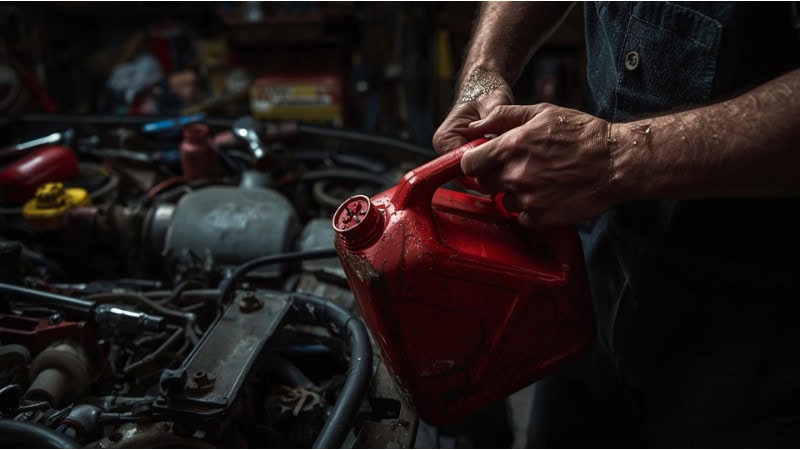
Gas cans look simple, but details matter. For 2026, we rated each can based on real-world use over brand or hype. Control and venting were key evaluation factors.
We judged metal cans for steel thickness and welds, and plastic ones for flexibility, crack resistance, and UV durability. All picked cans meet EPA and CARB rules—if it’s not legal in the US, it’s not included.
Quick Comparison Table
Before the detailed reviews, a comparison table summarizes material, size, and performance to help you quickly spot the best options.
| Rank | Gas Can | Material | Capacity | Best Use Case | Mechanic Verdict |
|---|---|---|---|---|---|
| 1 | Justrite Type I Safety Can | Metal | 5 gal | Shop & generators | Best overall |
| 2 | Eagle UI-50-FS | Metal | 5 gal | Fire safety | Safest metal |
| 3 | Scepter Military Can | Plastic | 5 gal | Heavy-duty use | Toughest plastic |
| 4 | No-Spill 1405 | Plastic | 5 gal | Lawn equipment | Best spill control |
| 5 | Midwest Can | Plastic | 5 gal | General use | Best budget |
| 6 | SureCan Safety Can | Plastic | 5 gal | One-hand pouring | Easiest pour |
| 7 | VP Racing Fuel Can | Plastic | 5 gal | Performance engines | Fast flow |
| 8 | RotopaX Fuel Pack | Plastic | 2–4 gal | Off-road | Best portable |
| 9 | Garage Boss | Plastic | 2 gal | Small engines | Compact |
| 10 | Blitz Classic (Updated) | Plastic | 5 gal | Traditional users | Old-school feel |
Metal cans are best for safety and storage. Plastic cans are easier to carry and use. Five-gallon cans suit generators and trucks; smaller cans fit mowers. The comparison table highlights the pros and cons of the home and pro options to help you choose quickly.
1. Justrite Type I Safety Gas Can (Metal)
2. Eagle UI-50-FS Type I Gas Can (Metal)
3. Scepter Military-Style Fuel Can (Plastic)
4. No-Spill 1405 Gas Can (Plastic)
5. Midwest Can 5-Gallon Gas Can (Plastic)
6. SureCan Safety Gas Can (Plastic)
7. VP Racing Fuels Motorsport Gas Can (Plastic)
8. RotopaX Fuel Container (Plastic)
9. Garage Boss Gas Can (Plastic)
10. Blitz Classic Gas Can (Updated Plastic)
Metal vs Plastic Gas Cans
Choosing metal or plastic gas cans depends on use and location. Metal cans offer top safety, last longer, and resist punctures. Shops prefer metal for generators and long-term storage. For safety and stationary use, metal is best.
Plastic gas cans focus on convenience. They’re lighter, affordable, and easy to move around a yard or a job site. For lawn equipment and portable use, plastic is often the practical answer. Choose what suits your needs best.
Gas Can Safety Tips
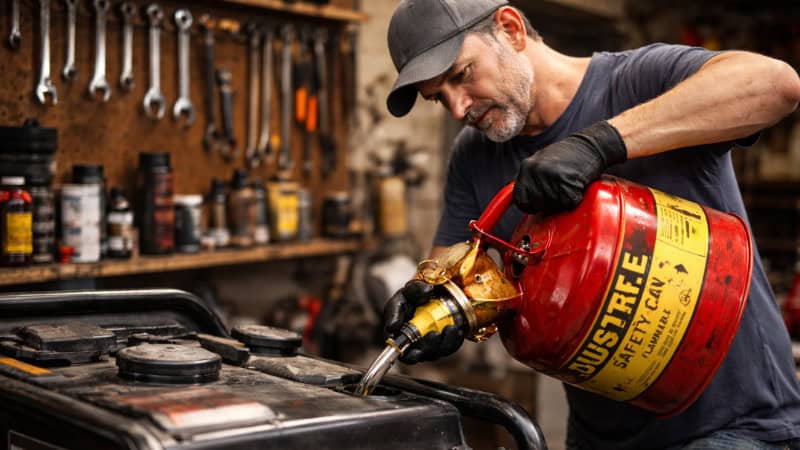
Gasoline is hazardous, and most accidents are due to poor handling. Store cans away from living areas and never inside your home or basement. Heat increases pressure—especially in summer. Always seal caps and spouts, and replace broken parts immediately.
Turn off engines and let them cool before refueling. Label cans to avoid mixing fuels. Replace leaking or warped cans, and maintain them for safety.
you may like: How Much Does a Gallon of Gas Weigh?
US Legal Requirements for Gas Cans
Modern gas cans in the US must comply with EPA and CARB rules. That’s why new cans don’t pour as fast or as easily as the old ones did. These regulations help reduce fuel vapor emissions, which pollute the air. CARB rules are even stricter and apply in places like California, New York, and a handful of other states.
Check your can is legal—most states require compliant cans for sale. You can own older ones, but selling or shipping them is restricted. Buy EPA- and CARB-approved cans in 2025 to avoid fines.
you may like: How Much Oil Does My Car Need?
FAQ 1: Are metal gas cans safer than plastic gas cans?
Metal gas cans are generally safer in terms of fire resistance and heat exposure. Steel doesn’t melt or deform the way plastic can, and most metal cans include flame arrestors that reduce the risk of ignition. That’s why mechanics prefer them for shop use and generator storage. Plastic cans are still safe when used correctly, but they’re better suited for portable, outdoor, and short-term fuel handling.
FAQ 2: Why do modern gas cans pour so slowly?
Modern gas cans pour more slowly because of EPA and CARB emission rules. These regulations require sealed systems to reduce fuel vapor release. Older cans had open vents that allowed fast pouring but released fumes into the air. Newer designs restrict airflow, which slows the pour. Some brands engineer better venting systems, but slow flow is the tradeoff for legal compliance in the US.
FAQ 3: Can I still legally use an old gas can?
Most states allow you to use old gas cans from before the current rules, but selling or transporting them could be limited. Some jobs require only compliant cans. While old cans pour faster, they may be unsafe over time. Five-gallon cans suit generators and trucks; smaller ones are better for mowers and tools. Mechanics often have a few sizes. Bigger isn’t always better, since full five-gallon cans are heavy.
FAQ 5: What is the best gas can for generators?
For generators, a sturdy five-gallon gas can with controlled pouring is recommended. Metal cans are preferred for stationary generators due to superior heat resistance and fire safety. High-quality plastic cans are acceptable if kept away from hot exhaust components. Stability and spill control are more important than portability for generator use.
FAQ 6: Do gas cans go bad over time?
Yes, gas cans can wear out just like any other tool. Plastic cans can crack, swell, or degrade from UV exposure. Seals and spouts wear down and start leaking. Metal cans can rust internally if moisture gets inside. Mechanics regularly inspect their fuel containers and replace them when signs of wear appear. A failing gas can is not worth the risk.
FAQ 7: Can I store gasoline long-term in a gas can?
Gasoline can be stored in a gas can for several months, but a fuel stabilizer is recommended for long-term storage. Metal cans with secure seals are best for extended storage, while plastic cans are acceptable if kept in a cool, shaded area. Always label stored fuel with the date and rotate supplies regularly to prevent engine issues.
FAQ 8: What’s the best gas can for lawn mowers and small engines?
For lawn mowers and small engines, a lightweight plastic gas can with effective pour control is ideal. Spill-proof or push-button spouts help prevent spills and overfilling. Smaller capacities are sufficient, as these engines use less fuel. Mechanics prefer cans that are easy to handle and store.
Final Verdict
The best gas can in 2026 is the one that actually fits your needs—not just the one with the fanciest label. For shop work, generators, and long-term storage, metal cans remain the safest and most durable option. They’re more expensive, but they’re built to last and trusted by professionals. For everyday jobs like fueling lawn equipment or small engines, plastic cans are easier to carry and make more sense when you’re on the move.
Experienced mechanics agree that investing in a quality gas can is essential. Spills, leaks, and inferior spouts can lead to greater costs over time. Choose a compliant, high-quality gas can and maintain it as you would any other important tool in your garage.
