
Pliers are essential tools for mechanics, electricians, and dedicated DIY enthusiasts. They grip stubborn bolts, cut wire, and perform tasks fingers or wrenches cannot handle. Every professional garage stocks various types, each with a specific purpose. Using the wrong type can damage parts, slow your work, or cause injury. This guide explains 12 common types, their functions, and ideal applications, helping you choose the right pliers for any car, electrical, or DIY project and work faster, safer, and easier.
What Are Pliers and How Do They Work?
Pliers are hand tools designed to grip, bend, twist, cut, or hold materials using leverage. They work on a simple mechanical principle: force applied at the handles multiplies at the jaws through a pivot point. This gives you strong control with minimal effort. Most pliers have jaws, a pivot joint, and handles with comfort grips. Jaw shapes vary—flat for gripping, sharp for cutting, or narrow for precision work. In mechanical and electrical jobs, pliers allow controlled force in tight spaces. When used correctly, pliers increase accuracy, reduce fatigue, and prevent component damage.
Common Materials and Build Quality to Look For
Quality pliers are usually made from hardened carbon or chrome vanadium steel, which provides strength and durability. Professional-grade pliers often have heat-treated jaws that resist chipping. For electrical work, use insulated handles with voltage protection. Look for non-slip, oil-resistant grips, especially in automotive shops. Rust-resistant coatings, such as nickel or chrome, help pliers last longer. Cheap pliers may flex, slip, or dull quickly, costing more in the long run. Well-built pliers deliver better performance, safer handling, and last longer.
12 Types of Pliers and Their Primary Uses
| Pliers Type | Jaw Shape | Primary Use | Common Trades |
|---|---|---|---|
| Slip Joint Pliers | Adjustable flat jaws | General gripping | DIY, mechanics |
| Needle Nose Pliers | Long, narrow jaws | Precision work | Electrical, electronics |
| Lineman’s Pliers | Short, strong jaws | Cutting & twisting wire | Electrical |
| Diagonal Cutting Pliers | Angled cutting edge | Wire cutting | Electrical, mechanical |
| Locking Pliers | Adjustable locking jaws | Clamping objects | Automotive, welding |
| Channel Lock Pliers | Tongue-and-groove jaws | Pipe & nut gripping | Plumbing |
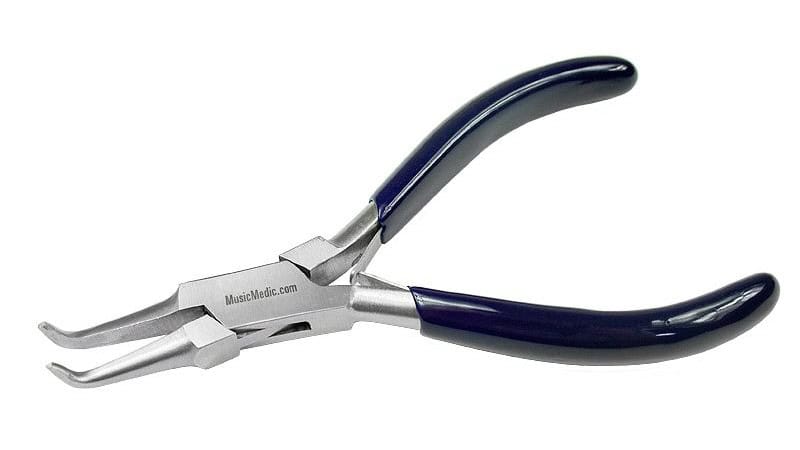
| Bent Nose Pliers | Angled narrow jaws | Tight-space access | Automotive |
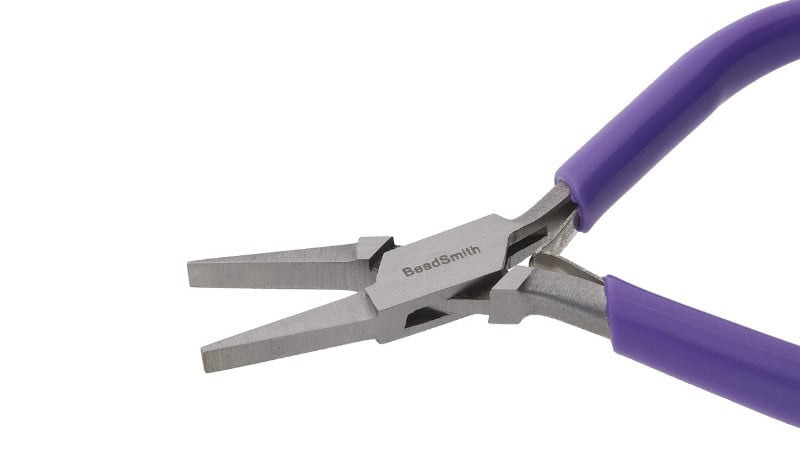
| Flat Nose Pliers | Flat rectangular jaws | Bending metal | Mechanical, crafts |
| Round Nose Pliers | Rounded jaws | Loop forming | Electrical, jewelry |
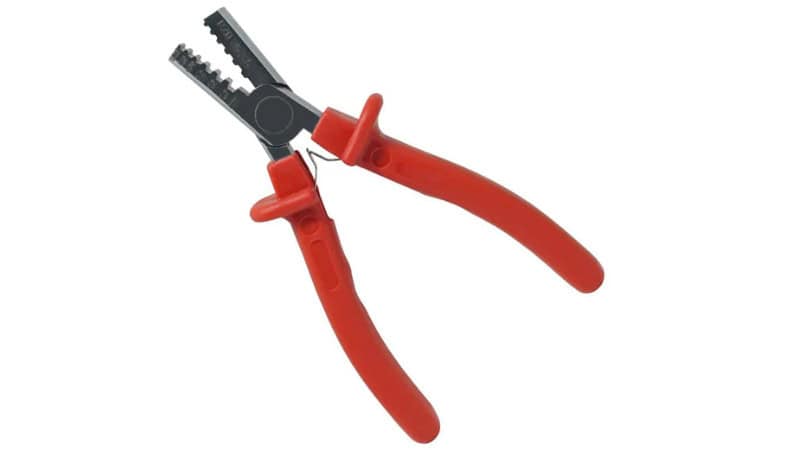
| Crimping Pliers | Crimp dies | Terminal crimping | Automotive wiring |
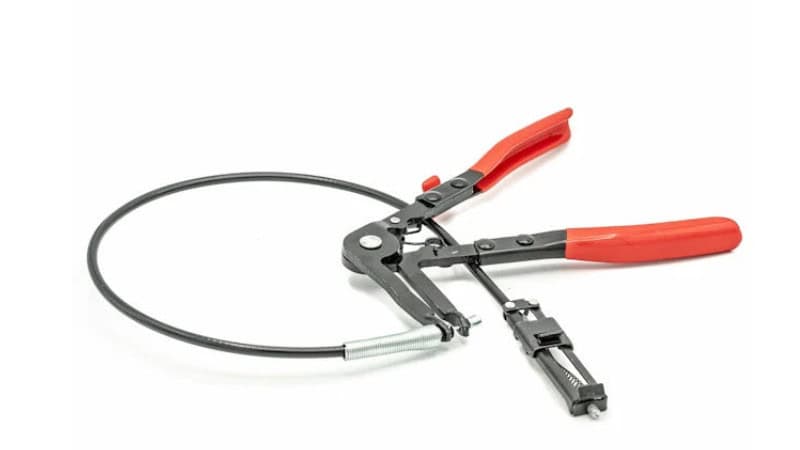
| Hose Clamp Pliers | Specialized jaws | Hose clamp removal | Automotive |
| Snap Ring Pliers | Pointed tips | Retaining rings | Mechanical repair |
Key Uses of Pliers in a Mechanic’s Workshop
- Gripping and holding bolts, fittings, and fasteners
- Cutting electrical wire and zip ties cleanly
- Bending metal tabs and brackets
- Twisting wires and safety wire
- Removing hose clamps and spring clips
- Installing and removing snap rings
- Crimping electrical terminals securely
- Holding parts steady during welding or assembly
Types of Pliers at a Glance
1. Slip Joint Pliers
Slip-joint pliers are common and versatile hand tools. Adjust their pivot to open the jaws to two widths. Grip nuts, bolts, rods, and small pipes of different sizes. Use slip-joint pliers for light-duty gripping, pulling, and holding. Don’t use them for high-torque tasks. They excel at quick jobs where speed counts. Their jaws grip well, but don’t round off fasteners. For beginners and DIYers, slip-joint pliers are usually the first tool bought.

2. Needle Nose Pliers
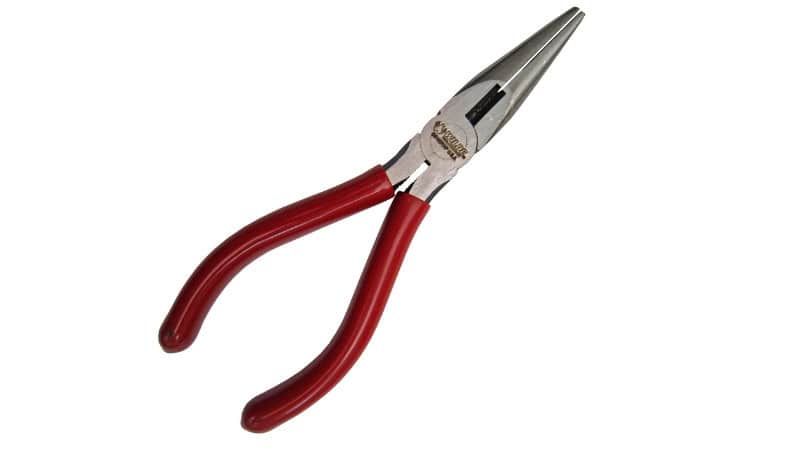
Needle-nose pliers offer precision and access. Their long, narrow jaws reach tight spots where big tools won’t fit. Hold small parts, bend wire, position connectors, or retrieve dropped items. Many have a cutting edge near the pivot for extra use. Mechanics use them behind dashboards, in engine bays, or around wiring. Don’t use for heavy gripping or twisting. Pick needle-nose pliers when accuracy and control matter.
3. Lineman’s Pliers
Lineman’s pliers are heavy-duty and strong. Their short, thick jaws and strong cutting edge cut, twist, and grip thick wire. First made for line workers, they’re used widely in auto, construction, and mechanical work. Their design lets you use high force without harming the tool. Twist safety wire, pull nails, and cut tough items in the shop. Don’t use them in tight or delicate areas because of their bulky shape.

4. Diagonal Cutting Pliers
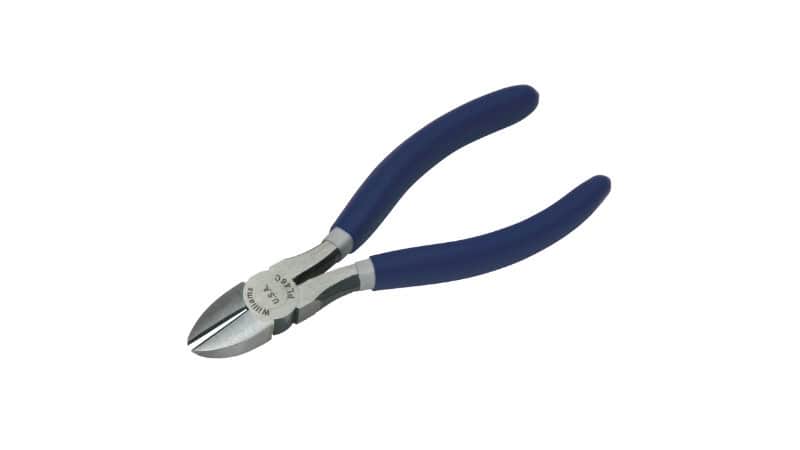
Use diagonal cutting pliers (diagonal cutters) to cut wire. Their angled edges make clean, precise cuts close to surfaces. Use them in electrical, auto wiring, and electronics repair. Don’t use them to grip or twist. Mechanics use these to cut electrical wire, zip ties, and metal pins. Good cutters prevent crushing wires. Don’t pry or twist with them—doing so damages the edges. Choose diagonal cutters for accurate cuts.
5. Locking Pliers
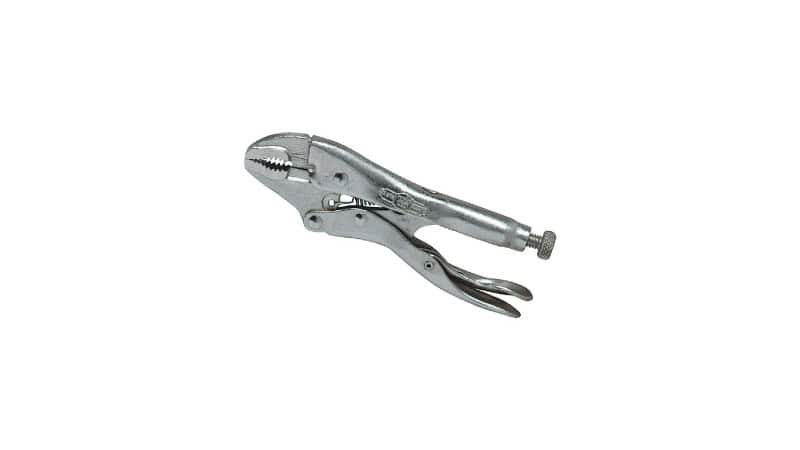
Locking pliers (Vise-Grips) clamp objects and lock in place. Once set, they keep pressure without your hand. Use them to hold bolts, clamp metal, or temporarily replace handles. They grip rounded or damaged nuts well. Don’t overtighten to avoid surface damage. In tough jobs, these pliers excel.
6. Channel Lock Pliers
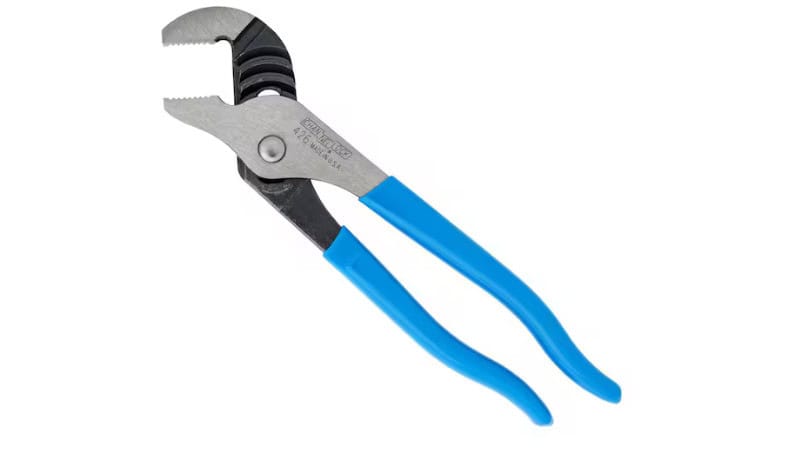
Channel-lock pliers use an adjustable tongue-and-groove mechanism for many jaw positions. Use them to grip big nuts, bolts, and pipes. Use them in plumbing, auto, and mechanic jobs. Their jaws grip strongly and offer good leverage to loosen tough fittings. Use channel-locks for irregular or oversized parts. Don’t use it carelessly, or you could damage fasteners. Pick them for an adjustable grip and a strong hold.
7. Bent Nose Pliers
Bent nose pliers have jaws bent at 45 or 90 degrees. Reach tight spots where straight pliers can’t. Use them on fuel lines, hose clamps, or wiring in engine compartments. They give control without awkward wrist angles. Don’t use for heavy gripping. Use them for precise placement and manipulation. Work in tight spaces with less hand strain.
8. Flat Nose Pliers
Flat-nose pliers have wide jaws for gripping and bending flat objects. Use them in assembly, metal shaping, and light fabrication. They spread pressure evenly to avoid damage to any one part. Bend tabs, hold sheet metal, or adjust brackets with them. Don’t use them on round objects; they work best for shaping. Choose these pliers for precise bends needing control.
9. Round Nose Pliers
Round-nose pliers have smooth, tapering jaws for making wire loops and curves. Use them for jewelry, electrical, or mechanical work needing wire shaping. Form custom clips or route wires. Smooth jaws prevent marks. Don’t grip flat items or cut wire with these. Use them to shape material precisely.

10. Crimping Pliers
Crimping pliers securely attach terminals to wires. Their shaped dies compress connectors for solid electrical joins. Good crimps matter for safe wiring in vehicles. Bad crimps cause resistance or fail. Use the right crimping pliers for connectors and terminals. Some include wire strippers and cutters, too. Use proper crimping tools for reliable results.
11. Hose Clamp Pliers
Use hose-clamp pliers to install or remove spring-style clamps on cars. Standard pliers may slip or damage clamps. Hose clamp pliers give controlled compression and a steady grip. Use them to remove hoses without harming nearby parts. Some pliers have a locking mechanism to hold clamps open. Use this tool to save time and lower injury risk when working on engines.
12. Snap Ring Pliers
Snap ring pliers are used to install and remove retaining rings, also known as circlips. These rings hold components like bearings and gears in place. Snap ring pliers feature pointed tips that fit into holes on the ring. Depending on the application, they may be internal or external types. Mechanics use them in transmissions, engines, and suspension systems. Using improper tools can cause snap rings to fly off dangerously. Snap ring pliers provide control, safety, and precision. For mechanical repair involving retained components, they are absolutely essential.

FAQ
Q 1: What are pliers mainly used for?
Pliers are versatile hand tools used to grip, hold, bend, twist, cut, and position various materials. In mechanical and automotive settings, they make it easier to work with bolts, wires, clips, hoses, and small parts that are tough to manage by hand. Each type of pliers is designed for a specific task—whether it’s cutting wire, clamping parts, or reaching into tight spaces. Using the right pliers not only improves accuracy and saves time, but also reduces the chance of damaging parts or getting injured on the job.
Q 2: How many types of pliers should a mechanic own?
A professional mechanic doesn’t need every type of pliers on the market, but having a well-rounded set is key. At a minimum, a mechanic should own slip-joint pliers, needle-nose pliers, diagonal cutters, locking pliers, channel-lock pliers, and snap-ring pliers. These cover most daily tasks in the workshop. Depending on the job, specialty pliers, such as hose-clamp or crimping pliers, may also be essential. Having the right pliers helps prevent tool misuse and boosts overall efficiency.
Q 3: What is the difference between slip joint and channel lock pliers?
Slip joint pliers have a simple adjustable pivot with usually two jaw positions, making them suitable for light-duty gripping tasks. Channel lock pliers, on the other hand, use a tongue-and-groove mechanism that offers multiple adjustment positions and much wider jaw openings. This makes channel lock pliers better for gripping large nuts, pipes, and fittings. In short, slip-joint pliers are general-purpose tools, while channel-lock pliers offer a stronger grip and greater versatility for larger objects.
Q 4: Can pliers replace a wrench or cutter?
Pliers should not fully replace wrenches or dedicated cutters. While pliers can grip and turn objects, using them instead of a wrench can round off nuts and bolts. Similarly, not all pliers are designed for cutting; only cutting pliers, like diagonal cutters or lineman’s pliers, should be used for that purpose. Each tool is designed for a specific job, and misuse can damage tools or parts or cause injuries. Proper tool selection always leads to better results.
Q 5: Why are insulated pliers important for electrical work?
Insulated pliers are specially designed with protective coatings on the handles to reduce the risk of electric shock. They are essential when working on live or potentially live electrical systems. These pliers are tested and rated for specific voltage levels, providing an extra layer of safety. Using non-insulated pliers for electrical work can be extremely dangerous. Even experienced technicians rely on insulated pliers to protect themselves from accidental contact with energized wires or components.
Q 6: What pliers are best for working in tight spaces?
Needle-nose pliers and bent-nose pliers are the best options for tight or hard-to-reach areas. Their long, narrow jaws allow access behind panels, inside engine compartments, and around dense wiring. Bent nose pliers offer additional flexibility by allowing angled access without straining the wrist. These pliers are commonly used in automotive dashboards, electrical boxes, and small mechanical assemblies. They provide precision and control where larger pliers simply cannot fit.
Q 7: How do I maintain and care for my pliers?
Proper maintenance keeps pliers working smoothly and extends their lifespan. Always wipe pliers clean after use to remove dirt, grease, and moisture. Occasionally, apply a drop of oil to the pivot joint to prevent rust and stiffness. Store pliers in a dry toolbox or tool organizer to avoid corrosion. Avoid using pliers for tasks they aren’t designed for, such as hammering or prying. Regular inspection helps catch wear or damage early.
Q 8: Are expensive pliers really worth it?
High-quality pliers often cost more, but they are usually worth the investment. Premium pliers are made from stronger steel, have better heat treatment, and offer improved grip and comfort. They last longer, perform better, and are safer to use compared to cheap alternatives. For professionals who use pliers daily, reliable tools reduce fatigue and prevent work delays. While beginners can start with budget options, upgrading to professional-grade pliers pays off in the long run.
Conclusion
Pliers might seem simple, but they’re precision tools that play a crucial role in mechanical, electrical, and DIY work. Each type is designed for a specific purpose, and choosing the right one makes every task smoother and safer. From general gripping to specialized automotive repairs, having the appropriate pliers on hand increases efficiency and professionalism. Investing in a quality set of pliers pays off every day in the workshop. Get to know your pliers, use them properly, and they’ll always deliver reliable results.
