
Brake work allows no errors—your safety is at stake. Success begins with a proper brake line flare. A faulty flare means leaks, a soft pedal, or even total failure—issues best avoided. Brake line flaring tools have greatly improved: they’re more precise, easier to use, and excel with modern materials like NiCopp(Nickel/Copper) and coated steel. Whether for pros or DIYers, the right tool speeds up work and guarantees reliable, DOT-approved results. This guide reviews the top brake line flaring tools based on actual shop use, build quality, and flare accuracy—so you can choose a tool for clean, leak-free flares every time.
Types of Brake Line Flaring Tools Explained
Brake line flaring tools serve different purposes, and the wrong tool can cause leaks or inspection failures. Most US brake systems use double flares, but some cars require other types. Knowing the difference ensures you buy the correct tool and avoid redo. Single flare tools are only for low-pressure lines—never use them on brakes. Double-flare tools are standard on most US and many imported cars, built for strength and safety under pressure. Bubble-flare tools are typical for European and newer imports and require different dies. If you work on a variety of vehicles, buy a tool that supports multiple flare types for flexibility.

Key Features to Look for in a Brake Line Flaring Tool
A brake line flaring tool’s value depends on key features. Strong clamping is essential—a slipping line results in useless flares. Precision-machined dies are critical, especially for steel or NiCopp lines, since poor dies crush tubing. Ensure the tool is compatible with your chosen materials—some can’t handle stainless or coated lines. Usability matters, especially in cramped cars. Every good flaring tool delivers consistent flares with minimal effort, saving time and reducing hand fatigue on big jobs.
Best Overall Brake Line Flaring Tool
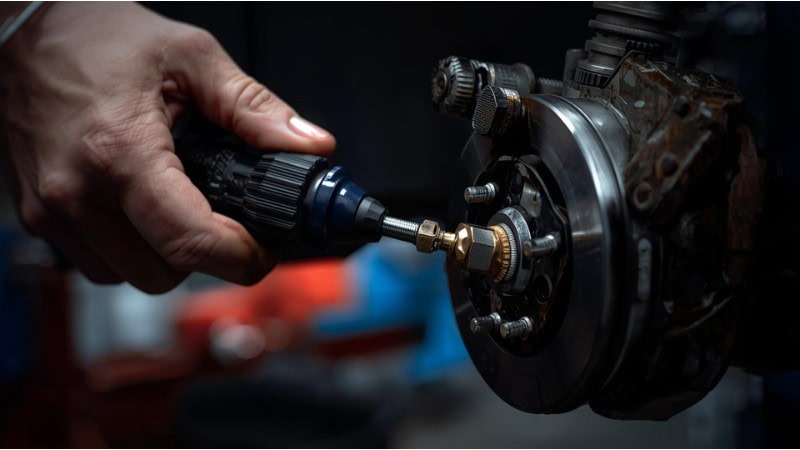
The best overall brake line flaring tool gives you leak-free flares, every time, without a fight. It should handle both double and bubble flares with precision on materials like steel and NiCopp. Superior clamping keeps tubing steady for accurate, even flares that seal right. Easy setup, clear markings, and smooth operation prevent wasted time and trial-and-error. For most people, a durable, accurate tool means fast, reliable results for any brake line job.
Best Budget Brake Line Flaring Tool
A budget brake line flaring tool can still do the job if you use it carefully and know its limits. These kits are best for DIYers or occasional repairs, not daily shop work. The main issue with budget tools is a weaker clamping force, so you need to double-check that the line is tightly secured each time. They usually work fine with softer materials like NiCopp, but can struggle with hard steel lines. Setup can be slower, and you’re more likely to make mistakes if you rush. Still, a decent budget tool is a good starting point for simple jobs—just take your time and be precise.
Best Professional-Grade Brake Line Flaring Tool
A professional-grade brake line flaring tool is built for speed, consistency, and daily shop use. These tools clamp securely without damaging the line, making uniform double flares on steel tubing. The main benefit is repeatability, resulting in fewer leaks and comebacks. Pro tools offer smoother operation and fewer setup steps, saving time on multiple jobs. They work with steel, stainless, and NiCopp lines, covering most vehicles. Though costlier, their durability and precision pay off for regular brake work.

Best Brake Line Flaring Tool for NiCopp Lines
NiCopp brake lines are popular because they resist rust and are way easier to work with than old-school steel. (NiCopp is a nickel-copper alloy tubing used for brake lines.) But you still need a good flaring tool. A quality tool for NiCopp should make clean, smooth flares without crushing the tubing. Since NiCopp is softer, cheap tools can mess up the flare if you use too much force. Precision dies (components that shape the flare) and gentle, controlled clamping are key for a flare that seals right. Tools with fine-thread drives or hydraulic assist usually work best, especially for double flares. Done right, a NiCopp line flares easily, seals tight, and makes brake jobs a lot less stressful.
Best Compact / On-Car Brake Line Flaring Tool
A compact or on-car brake line flaring tool is a lifesaver when you’re working in tight spaces or on rusted lines that won’t budge. Instead of removing the whole brake line, these tools let you cut, prep, and flare the line right on the car. That’s a huge help in rust-belt states where fittings snap easily. The best compact tools clamp securely in tight quarters and still make clean double or bubble flares. They might take a little longer than bench tools, but they save tons of time by skipping full line removal. For fast repairs and under-car work, a compact flaring tool is tough to beat.
Manual vs Hydraulic Brake Line Flaring Tools
Choosing between manual and hydraulic brake line flaring tools depends on how often you work on brakes. Manual tools are affordable and great for occasional jobs, but require more physical effort and careful setup. Hydraulic tools deliver consistent, clean flares with less effort, especially on tough steel lines, and reduce hand fatigue. While hydraulic tools cost more and have a longer setup, they provide speed and consistency for frequent use. DIYers can rely on manual tools; professionals benefit from hydraulic options.
Common Brake Line Flaring Mistakes to Avoid
Most brake line leaks come from small mistakes when flaring. Not deburring the cut line—removing sharp edges inside and outside the tubing after cutting—prevents the flare from sealing properly. Over-tightening the clamp that holds the tube in the flaring tool is another issue; crushing the tubing results in a weak flare. Using the wrong flare type, such as confusing a bubble flare (a rounded flare) with a double flare (a two-step process flare), also causes problems. Rushing the setup leads to uneven flares and leaks. Cheap or worn dies, the parts that actually form the flare, can deform the tubing rather than shape it properly. Take a few extra minutes to prep and double-check everything—it saves time and money and keeps your brake system safe.
How to Choose the Right Brake Line Flaring Tool for Your Needs
Choosing the right brake line flaring tool depends on how often you’ll use it and which cars you service. For occasional repairs, a sturdy manual tool for double flares usually suffices. Frequent brake work calls for a pro-grade or hydraulic tool for speed and consistency. Some tools work well only with certain materials, so check compatibility, especially for NiCopp, steel, or stainless lines. Consider the space when working under the car. Match the tool to your workload for reliable, leak-free flares every time.
FAQs
1. What flare type do most US vehicles use?
Most US vehicles use SAE double flares on brake lines. (SAE means Society of Automotive Engineers, who create standards for automotive parts. Double flare is a two-step process that thickens and strengthens the tubing end.) This design is stronger than a single flare and better suited to handle the high pressure generated by modern braking systems. Double flares are required by DOT (Department of Transportation) standards on most domestic vehicles, especially trucks and older cars. Using the wrong flare type can cause leaks or unsafe brake performance, so always confirm the fitting before flaring a new brake line.
2. Can I use a single flare tool on brake lines?
No, single-flare tools should not be used on brake lines. Single flares are only suitable for low-pressure applications, such as fuel or transmission lines. Brake systems operate under extremely high pressure, and single flares can crack or fail without warning. Using a single flare on a brake line is unsafe and can lead to brake failure. Always use a proper double- or bubble-flare tool designed for brake applications.
3. Are bubble flares common in the US?
Bubble flares are less common on domestic vehicles, but are frequently used on European cars and some newer imports. Many manufacturers use bubble flares at the factory because they seal differently at the fitting. A bubble flare tool is required for these systems, as a double flare will not seat correctly. If you regularly work on imports, owning a tool that supports both flare types is a smart investment.
4. Can brake line flaring tools handle stainless steel lines?
Some brake line flaring tools can handle stainless steel, but not all of them. Stainless tubing is much harder than steel or NiCopp and requires a strong clamping force and precision-machined dies. Cheap tools often struggle and can damage the line or produce uneven flares. If you plan to work with stainless lines, look for a professional-grade or hydraulic flaring tool specifically rated for stainless applications.
5. Do I need a hydraulic brake line flaring tool?
You don’t need a hydraulic flaring tool, but it can make the job much easier. Hydraulic tools use fluid power to press the die and flare the tubing evenly. They apply even pressure, producing consistent flares with less effort. They’re especially useful for steel or stainless lines and repeated brake jobs. For occasional DIY work, a manual tool is usually enough. For professionals or frequent brake repairs, hydraulic tools save time, reduce fatigue, and improve flare consistency.
6. Are NiCopp brake lines DOT approved?
Yes, NiCopp brake lines are DOT-approved and widely used in the US. They’re popular because they resist corrosion and are easier to bend and flare than steel lines. When flared correctly, NiCopp seals very well and withstands brake pressure. However, because the material is softer, it’s important to use a quality flaring tool to avoid over-crushing or deforming the flare during installation.
7. Why do my brake line flares keep leaking?
Brake line leaks are usually caused by poor flare preparation or tool issues. Common causes include improper deburring, uneven flare depth, incorrect flare type, or tubing slipping in the clamp. Worn or cheap dies can also deform the tubing rather than properly forming it. Even a small imperfection can cause leaks under pressure. Taking time to prep the line and using the right tool prevents repeat failures.
8. Can I flare brake lines while they’re still on the vehicle?
Yes, brake lines can be flared on the vehicle using compact or on-car flaring tools. These tools are designed for tight spaces and are especially useful for removing rusted lines that are difficult to remove. While on-car flaring takes patience, it often saves time by avoiding full line removal. Proper line preparation and secure clamping are critical to getting a clean, leak-free flare under the vehicle.
Conclusion
Choosing the right brake line flaring tool makes a real difference for brake safety, repair quality, and how much time you spend on the job. A good tool gives you clean, consistent flares that seal tight and last. Whether you’re a DIYer or a pro, matching the tool to your needs is key. Budget tools work for light use, but pro or hydraulic tools bring better consistency and value in the long run. Whatever you choose, remember: prepping the line and using the right flare type matter just as much as the tool itself. With brakes, precision isn’t a luxury—it’s a must.
