
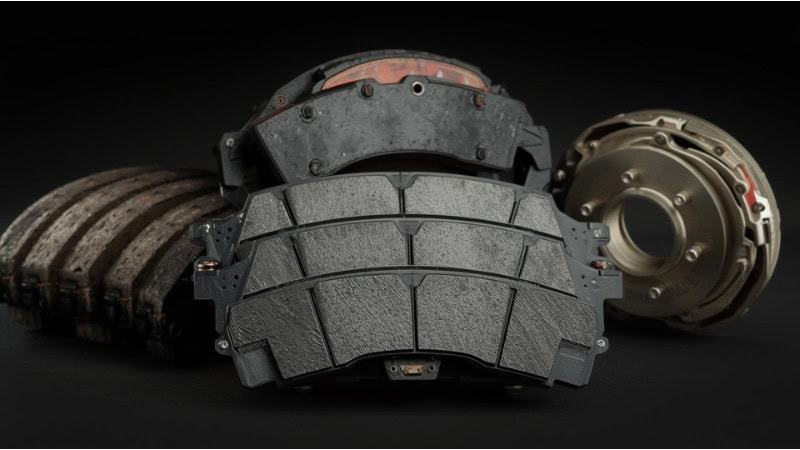
If a mechanic says, “You need new pads,” or “Your shoes are worn out,” they are referring to different brake components. Brake pads are used in disc brakes and press on the rotor, while brake shoes are found in drum brakes and push outward against the drum. Knowing which part is which helps you avoid unnecessary costs and confusion.
Pads and shoes serve different functions. Brake pads, part of disc brakes, are mostly used on the front wheels of modern vehicles in the US. They provide better stopping power and dissipate heat efficiently by creating friction when squeezing a rotor. Brake shoes work in drum brakes, typically found on rear wheels or parking brake systems, pressing outward on a drum to create friction. The main differences are how they generate friction and where they are used. This guide explains how each system works, its typical placement, and why some vehicles use both.
What Are Brake Pads?
Brake pads are essential components of disc brake systems, commonly found on the front wheels of most modern cars and trucks in the US. When you press the brake pedal, hydraulic pressure moves the caliper pistons, pressing the brake pads against the spinning rotor. This friction slows and stops the vehicle.
Brake pads provide strong stopping power and effective heat control, making them ideal for front brakes, where most braking force is required. They are designed to wear out, protecting more expensive components such as calipers and rotors. Brake pad inspections are straightforward, making maintenance easier than with drum brakes.

How Brake Pads Work (Disc Brake System)
In disc brake systems, brake pads press against a spinning rotor when caliper pistons are actuated by brake fluid pressure. This friction converts the vehicle’s momentum into heat, which is then dissipated through the rotor.
Disc brake systems resist heat more effectively than drum brakes, ensuring stable stopping performance even in heavy traffic. Front brakes, which handle approximately 70% of stopping power, tend to wear out more quickly as a result.
Types of Brake Pads
Brake pads come in several types, which can cause confusion. In the US, the three main types are organic, semi-metallic, and ceramic, each designed for different driving needs and budgets.
Organic pads are softer and quieter, commonly used on older vehicles or daily drivers, but they wear out more quickly. Semi-metallic pads are the most popular, offering a balance of stopping power, durability, and cost, making them suitable for most sedans, SUVs, and light trucks. Ceramic pads are considered premium; they are quiet, produce less dust, and last longer, though they have a higher initial cost. The best option depends on your driving habits rather than price alone.
Pros and Cons of Brake Pads
Brake pads offer several advantages, making them the preferred choice for most modern vehicles. They provide strong, predictable stopping power, particularly during sudden stops or highway driving. Disc brake systems are easier to inspect, allowing issues to be identified before they lead to costly repairs. Additionally, brake pads are less prone to brake fade, so performance remains consistent even at high temperatures.
However, brake pads typically wear out faster than brake shoes, especially lower-cost options, and may produce more dust or noise. Allowing pads to wear excessively can damage rotors and increase repair costs.
What Are Brake Shoes?
Brake shoes are key components of drum brake systems, pressing outward against the drum’s interior to slow the vehicle. They are typically found on the rear wheels of older or smaller vehicles, or in parking brake systems, especially in the US.
Brake shoes are designed for durability and last longer because rear brakes do less work. They hold parked vehicles securely, which is why they remain common in parking brakes. However, their internal placement makes inspection and maintenance less convenient.

How Brake Shoes Work (Drum Brake System)
In drum brake systems, brake shoes press outward on the drum’s interior when the brakes are applied. Hydraulic pressure separates the shoes, slowing the wheel. Unlike disc brakes, this process occurs entirely within a closed housing.
Drum brakes are simple but heat up less effectively than disc brakes, so their performance can degrade with heavy use. However, they hold well at low speeds and for parking, which is why many vehicles combine rear drum brakes with front discs.
Where Brake Shoes Are Used Today
Although disc brakes are most common, brake shoes are used on the rear wheels of budget cars, compact sedans, and some light trucks. Manufacturers choose brake shoes for rear brakes because less stopping power is required than in front.
Brake shoes are also common in parking brake systems. Some vehicles with rear disc brakes have a small internal drum using shoes only for parking. This setup is cost-effective and secure, especially on inclines, and matches the specific role of rear shoes.
you may like: Understanding Brake Caliper Parts & Types
Pros and Cons of Brake Shoes
Brake shoes offer several advantages, particularly for rear brakes. They often last longer than brake pads because they handle less braking force. Parts are generally less expensive, which benefits those on a budget. Additionally, they provide strong holding power, making them ideal for parking brakes.
However, brake shoes are more difficult to replace, as the entire brake drum must be removed and the internal components can be challenging to reassemble, even for experienced mechanics. Drum brakes also trap heat and dust, reducing performance during frequent hard stops. While suitable for everyday use, brake shoes are not intended for high-performance or heavy city driving.
Brake Pads vs. Brake Shoes: Key Differences
The easiest way to understand the difference between brake pads and brake shoes is to see how they compare side by side. As a mechanic, this is exactly how I explain it to customers in the shop. They’re not better or worse overall—they’re designed for different brake systems and different jobs on the vehicle.
This comparison helps clarify why most modern vehicles use both systems together.
Which Is Better: Brake Pads or Brake Shoes?
From a mechanic’s perspective, this is not a simple either-or decision. Pads and shoes serve different roles, which is why many vehicles use both systems.
Brake pads are better when:
- Strong stopping power is needed
- The vehicle is braking at higher speeds
- Heat control and consistency matter
Brake shoes are better when:
- Long service life is a priority
- The brakes are used lightly, mainly in the rear
- Parking brake holding power is required
In practice, front pads handle most braking while rear shoes assist and provide a parking brake function. This mix offers safety, affordability, and reliability. Using both systems is intentional engineering, not outdated design.
Signs Your Brake Pads or Brake Shoes Need Replacement
Recognizing the warning signs of worn brakes can help you avoid costly repairs. These symptoms often prompt customers to seek service before a complete brake failure occurs.
Common signs of worn brake pads include:
- Squealing or chirping noises when braking
- Grinding sounds, which usually mean the pads are completely worn
- Vibration in the steering wheel or brake pedal
- Longer stopping distances
Common signs of worn brake shoes include:
- A weak or ineffective parking brake
- Rear brake noise, especially at low speeds
- The vehicle pulls slightly during braking
- A brake pedal that feels higher or inconsistent
If you observe any of these symptoms, have your brakes inspected promptly to prevent minor wear from causing rotor or drum damage.
Cost Comparison: Brake Pads vs. Brake Shoes (USA)
When it comes to brake work, many car owners focus only on parts pricing, but in real shops, labor is the deciding factor. Brake pads usually cost more per set, but they’re quicker to replace. Brake shoes look cheaper at first, yet drum brake labor drives the final bill up.
From a mechanic’s perspective, this is why customers are often surprised by rear brake bills. Drum brakes just take more time, even when the parts are cheaper.
Can You Replace Brake Pads or Brake Shoes Yourself?
Brake pad replacement is generally considered DIY-friendly if you have basic tools and follow safety procedures. Disc brake systems are straightforward, and many US vehicle owners successfully replace their own brake pads with proper guidance. Access is simple, and there are fewer small parts that could cause issues.
Brake shoe replacement is more complex. Drum brakes contain multiple springs, adjusters, and hardware that must be reassembled precisely. Errors can result in brake drag or failure. Many DIY drum brake repairs require professional correction. If you lack experience, it is safer to have a professional handle brake shoe replacement.
FAQ
FAQ 1: What Is the Main Difference Between Brake Pads and Brake Shoes?
The main difference between brake pads and brake shoes is the braking system in which they are used and how they stop the vehicle. Brake pads in disc brake systems squeeze a rotor to slow the vehicle. Brake shoes in drum brake systems push outward against the inside of a drum. Most modern vehicles in the US have pads on the front wheels and shoes on the rear wheels or for the parking brake.
FAQ 2: Are Brake Pads Better Than Brake Shoes?
Brake pads are not automatically better than brake shoes—they’re just better at different jobs. Brake pads offer stronger stopping power, better heat dissipation, and more consistent performance at higher speeds. That’s why they’re used for front brakes. Brake shoes last longer and provide a strong holding force, which makes them ideal for rear brakes and parking brakes. From a mechanic’s perspective, using both together is a smart balance of performance, cost, and durability.
FAQ 3: Do All Cars Have Brake Pads and Brake Shoes?
Not all cars have both, but many do. Most modern cars in the US have brake pads on the front wheels and either brake pads or brake shoes on the rear wheels. Vehicles with rear drum brakes use brake shoes, while vehicles with four-wheel disc brakes use pads all around. Even some cars with rear disc brakes still use brake shoes inside the rotor for the parking brake. It depends on the vehicle’s design and the manufacturer’s choice.
FAQ 4: Which Lasts Longer, Brake Pads or Brake Shoes?
Brake shoes usually last longer than brake pads. That’s because rear brakes don’t handle as much stopping force as front brakes, and brake shoes are built for durability. Brake pads wear faster because they do most of the braking work, especially in city driving and traffic. In real-world shop experience, front brake pads often need replacement twice as often as rear brake shoes, depending on driving habits and vehicle weight.
FAQ 5: Are Brake Shoes Outdated Technology?
Brake shoes aren’t outdated—they’re just specialized. While disc brakes with brake pads are better for performance and safety at higher speeds, drum brakes with brake shoes still make sense for rear brakes and parking brakes. They’re cost-effective, reliable, and provide excellent holding power. That’s why manufacturers still use them today. From a mechanic’s standpoint, brake shoes remain practical where high-performance braking isn’t required.
FAQ 6: Can Brake Shoes Cause Poor Braking Performance?
Yes, worn or poorly adjusted brake shoes can reduce braking performance, especially in the rear. Drum brakes don’t handle heat well, so repeated hard braking can cause brake fade. If brake shoes are worn unevenly or out of adjustment, the vehicle may pull to one side or feel unstable during braking. In the shop, many rear-brake complaints are traced to neglected drum brakes that haven’t been serviced or adjusted in years.
FAQ 7: Is It More Expensive to Replace Brake Pads or Brake Shoes?
Brake pads are usually cheaper to replace overall because disc brake systems are quicker and easier to service. Brake shoes cost less as parts, but labor is higher because drum brakes take more time to disassemble and adjust. From a mechanic’s billing perspective, this is why rear brake jobs with brake shoes often surprise customers. The total cost can end up similar, even though the shoes themselves are cheaper.
FAQ 8: Can I Convert Brake Shoes to Brake Pads?
In some cases, yes, but it’s not always practical. Converting rear drum brakes to disc brakes requires new calipers, rotors, brackets, brake lines, and sometimes a different parking brake setup. From a shop standpoint, this conversion makes sense mainly for performance vehicles or heavy-duty use. For daily drivers, the cost usually outweighs the benefit. Properly maintained brake shoes work just fine for normal rear braking and parking needs.
Conclusion
The key point is that brake pads and brake shoes are designed for different purposes, not as competitors. Brake pads, used in disc brake systems, provide strong and consistent stopping power, which is why they are typically installed on the front of most modern vehicles in the US. Brake shoes operate within drum brakes and are valued for their durability and reliable performance in parking brake applications.
From a mechanic’s perspective, using both brake pads and brake shoes is an intentional and practical approach. Each system contributes to vehicle safety, balance, and cost-effective maintenance. Understanding the difference enables you to make informed repair decisions, communicate effectively with your mechanic, and avoid unnecessary expenses.
