
Modern vehicles depend on a network of electronic sensors (devices that detect changes in physical conditions) to monitor and manage various systems throughout the car. These sensors gather real-time information on engine performance and safety features, then transmit it to the vehicle’s computer, known as the Engine Control Unit (ECU), a central module that controls engine functions. The ECU processes this data and adjusts systems such as fuel injection (controlling fuel delivery), ignition timing (when the spark fires), and emissions control (reducing pollutants), ensuring the car runs smoothly. Without these sensors, today’s vehicles would struggle to operate efficiently.
Car sensors boost fuel efficiency, lower emissions, and keep engines running smoothly. They are also vital for safety features like ABS, traction control, and parking assistance. If a sensor malfunctions, the ECU may receive false information, leading to engine issues or dashboard warning lights. Understanding sensor function helps drivers spot problems early and keep vehicles in top condition.
What Are Car Sensors?
Car sensors are compact electronic devices installed throughout a vehicle to monitor various mechanical and environmental conditions. They collect data such as temperature (how hot or cold), pressure (force exerted), speed (how fast something moves), airflow (movement of air), and oxygen levels (amount of oxygen in exhaust). After gathering this information, sensors convert it into electrical signals (messages) and send them to the vehicle’s ECU for analysis.
The ECU (Engine Control Unit) makes real-time adjustments for efficient engine and system performance using sensor data. Sensors regulate air-fuel mixture, ignition timing, and engine temperature. While older vehicles relied mostly on mechanical parts, modern cars depend on sensors and computerized controls. As a result, one faulty sensor can disrupt multiple vehicle functions. Keeping sensors in good condition is essential for smooth driving, top fuel economy, and low emissions.
you may like: How to Fix a Cracked Windshield
Types of Car Sensors and Their Functions
Modern vehicles use many sensors working together for smooth performance. Some focus on the engine, others on safety or driver assistance. Each sensor gathers specific information and sends it to the ECU for analysis.
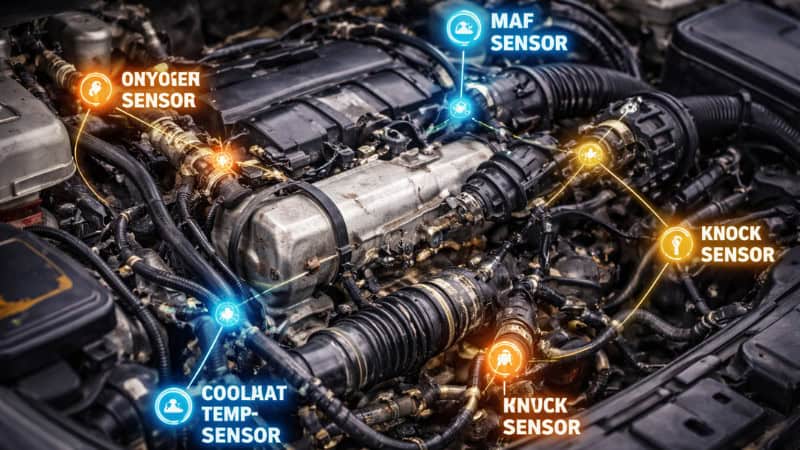
For instance, oxygen sensors monitor exhaust gases (the air leaving the engine) to keep the air-fuel ratio balanced, while mass air flow sensors track how much air enters the engine. Temperature sensors prevent overheating, and crankshaft sensors control engine timing (when the engine’s components move). Safety sensors like wheel speed sensors enable ABS braking (help prevent wheel lock), and parking sensors help drivers navigate tight spots. These sensors operate continuously while the car is running, forming a network that ensures your vehicle stays efficient, reliable, and safe.
Common Car Sensors and Their Roles
| Sensor | Function | Typical Location |
|---|---|---|
| Oxygen Sensor (O2) | Measures oxygen level in exhaust to adjust fuel mixture | Exhaust manifold |
| Mass Air Flow (MAF) Sensor | Measures air entering the engine | Air intake duct |
| Throttle Position Sensor (TPS) | Detects throttle opening for acceleration control | Throttle body |
| Engine Coolant Temperature Sensor | Monitors engine temperature | Engine block |
| Crankshaft Position Sensor | Tracks engine speed and crank position | Near crankshaft |
| Camshaft Position Sensor | Helps control valve timing | Cylinder head |
| Knock Sensor | Detects engine knocking or detonation | Engine block |
| MAP Sensor | Measures intake manifold pressure | Intake manifold |
| Wheel Speed Sensor | Supports ABS and traction control | Wheel hubs |
| Parking Sensors | Detect obstacles during parking | Rear / front bumper |
Signs of a Bad Car Sensor
When a car sensor begins to fail, you’ll often notice clear warning signs. The check engine light (a dashboard indicator) is one of the most common warning lights, illuminating when a problem occurs. Because sensors provide vital data to the ECU (Engine Control Unit), any incorrect readings can lead to noticeable performance issues.
You might experience poor fuel economy (lower miles per gallon), rough idling (engine shaking while stopped), engine hesitation (slow acceleration), or trouble starting your vehicle. Sometimes, the engine may stall while driving or lose power during acceleration. Faulty sensors can even affect how the transmission shifts (when gears change) or cause the engine to run too rich or too lean (incorrect air-fuel mix). If safety sensors fail, features like ABS (Anti-lock Braking System) might stop working properly. Since so many systems rely on sensors, diagnosing issues early is crucial. Waiting too long to address sensor problems can lead to more serious mechanical failures.
you may like: What Are the Symptoms of a Blown Head Gasket?
Why Car Sensors Fail
Car sensors operate in harsh conditions, such as heat, vibration, and dirt. Over time, these factors cause sensors to wear out or give false readings. Knowing the causes of failure helps drivers prevent issues and keep vehicles reliable.
Common causes of sensor failure include:
- Dirt, oil, or carbon buildup
- Excessive engine heat
- Electrical wiring damage
- Corrosion in connectors
- Age and normal wear
- Moisture entering sensor components
- Poor engine maintenance
- Low-quality fuel is causing contamination
When sensors fail for these reasons, they can send the wrong signals (incorrect information) to the ECU. This often results in lower performance, poor fuel economy, or dashboard warning lights.
How Mechanics Diagnose Sensor Problems
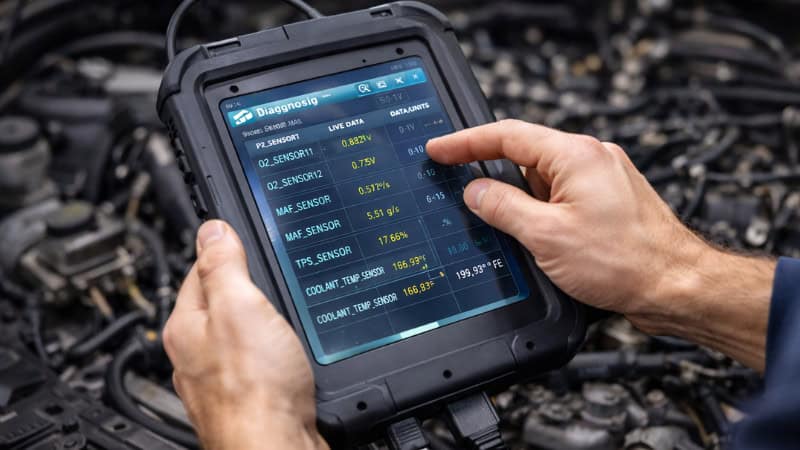
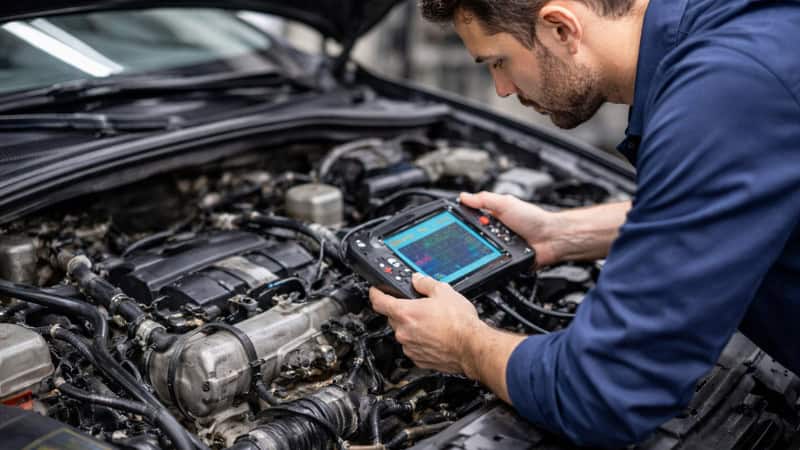
Professional mechanics use different diagnostic methods to find faulty car sensors. The most common tool is an OBD-II scanner (a device for reading a car’s computer codes), which reads trouble codes stored in the vehicle’s computer. These codes help pinpoint which sensor or system is causing problems.
After scanning, mechanics check live sensor data to ensure readings are accurate—for example, monitoring airflow (how much air enters), temperature (heat level), or oxygen levels (amount of oxygen in the exhaust) — while the engine runs. They also inspect wiring and connectors, as damage or looseness can cause sensor problems. Sometimes technicians use a multimeter (a device for measuring electrical quantities) to test voltage or resistance in sensors. Accurate diagnosis means only the faulty sensor is replaced, saving time and money and getting your car back to normal faster.
Can You Drive With a Bad Sensor?
A car may run with a faulty sensor, but that should not be ignored. Some sensors affect only fuel efficiency or emissions, while others are crucial for engine and safety systems.
If the crankshaft sensor fails, the engine may not start. If the coolant sensor fails, the car can overheat. Bad sensor data can cause the engine to run too rich or too lean, risking long-term damage. Because sensors affect many systems, get the problem checked and fixed right away.
you may like: How to fix evaporative emission system leak
Maintenance Tips to Protect Car Sensors
Caring for your vehicle helps sensors last longer. Good maintenance habits reduce the risk of early failure, even though sensors eventually wear out.
Important maintenance tips include:
- Replace the engine air filter on schedule
- Keep the fuel system clean
- Use high-quality fuel
- Repair oil leaks quickly
- Avoid driving through deep water when possible
- Inspect wiring and connectors during servicing
- Stick to the manufacturer’s maintenance schedule
Regular maintenance keeps the engine clean and stable, helping sensors work properly. Preventive care is always cheaper than replacing sensors later.
FAQ
1. What are car sensors, and why are they important?
Car sensors are electronic components that monitor different systems inside a vehicle, such as engine temperature, airflow, speed, and exhaust gases. These sensors collect real-time data and send it to the Engine Control Unit (ECU). The ECU uses this information to control fuel injection, ignition timing, and emissions systems. Without sensors, modern vehicles would not operate efficiently. Properly working sensors help maintain engine performance, improve fuel economy, and ensure safety systems like ABS and traction control function correctly.
2. How many sensors does a modern car have?
Modern vehicles can contain between 60 and over 100 sensors, depending on the model and technology level. Basic cars may have fewer sensors, while luxury vehicles and newer models often include many more due to advanced driver assistance systems. Sensors monitor areas such as engine performance, braking systems, tire pressure, climate control, and parking assistance. These sensors constantly communicate with the vehicle’s computer systems to keep the car running safely, efficiently, and smoothly during different driving conditions.
3. What happens if a car sensor fails?
When a car sensor fails, it sends incorrect information to the vehicle’s ECU. This can cause a variety of problems depending on the sensor involved. Common issues include poor fuel economy, rough engine performance, difficulty starting the car, or the check engine light appearing on the dashboard. In some cases, the engine may stall or lose power. Ignoring a faulty sensor can sometimes lead to more serious mechanical problems, so it is important to diagnose and fix the issue quickly.
4. Which car sensor is the most important?
Several sensors are critical for engine operation, but the crankshaft position sensor is often considered one of the most important. This sensor monitors the crankshaft’s rotation speed and position, helping the ECU control ignition timing and fuel injection. Without this information, the engine may not start or run properly. Other important sensors include the mass air flow sensor, oxygen sensor, and coolant temperature sensor, all of which play key roles in engine performance.
5. Can a car run without sensors?
Modern cars cannot operate properly without sensors because they rely on electronic control systems to manage engine performance and safety features. Older vehicles used more mechanical systems and fewer electronic components, so they could sometimes run without sensors. However, today’s cars depend heavily on sensor data for fuel management, emissions control, and engine timing. If a key sensor fails, the ECU may switch to a backup mode, but the vehicle will usually run less efficiently.
6. How do mechanics test car sensors?
Mechanics typically use an OBD-II scanner to test car sensors. This diagnostic tool connects to the vehicle’s computer system and reads trouble codes related to faulty sensors. Technicians can also check live sensor data while the engine is running to see if the readings are normal. In addition, mechanics may inspect wiring, connectors, and the sensor itself for damage. Sometimes a multimeter is used to measure voltage or resistance to confirm whether a sensor is functioning correctly.
7. Are car sensors expensive to replace?
The cost of replacing a car sensor varies depending on the type of sensor and the vehicle model. Some sensors, such as oxygen sensors or coolant temperature sensors, are relatively affordable and easy to replace. Others, like mass airflow sensors or crankshaft sensors, may cost more due to their complexity and installation locations. Labor costs can also increase the total price. Even though sensor replacement can be expensive, fixing the issue early often prevents more costly engine problems.
8. How can you prevent car sensor problems?
Preventing sensor problems mostly involves proper vehicle maintenance. Keeping the engine clean, replacing air filters regularly, and using high-quality fuel can help sensors operate correctly. It is also important to fix oil leaks and electrical wiring issues promptly, as they can damage sensor components. Routine vehicle inspections allow mechanics to detect sensor problems early before they affect engine performance. Following the manufacturer’s recommended maintenance schedule is one of the best ways to protect car sensors.
Conclusion
Car sensors are essential in today’s vehicles, monitoring engine performance, safety features, and environmental conditions. These tiny electronic components constantly relay information to the ECU, allowing the computer to fine-tune the car’s systems for the best possible performance. Without sensors, modern cars couldn’t maintain fuel efficiency, lower emissions, or deliver advanced safety features.
Since sensors affect so many parts of a vehicle, a bad one can trigger performance problems or warning lights. Knowing how common sensors work helps you spot issues early. With regular maintenance, accurate diagnostics, and prompt repairs, your sensors will keep doing their job—and your vehicle will stay reliable for years to come.
Read more:
