
If you’ve ever looked under your car’s hood or watched a car repair video, you’ve probably heard the term “flywheel.” But do automatic cars actually have flywheels? Manual transmission cars rely on a flywheel to store energy and help the clutch engage, but automatics are a bit different. Knowing whether your automatic car uses a flywheel can help you figure out the cause of engine vibrations, starting troubles, or transmission issues. In this article, we’ll explain what a flywheel is, what takes its place in automatic cars, and what you should know to keep your car running smoothly.
What is a Flywheel?
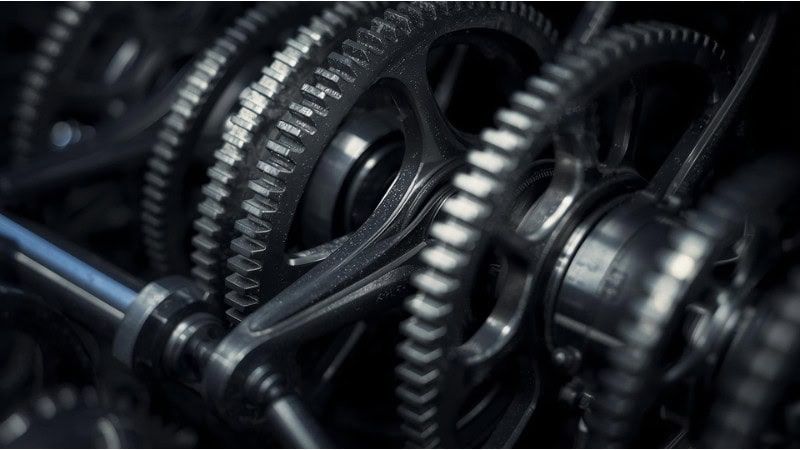
A flywheel is a heavy, spinning disc attached to your engine’s crankshaft, which is the central shaft that converts the engine’s up-and-down piston motion into rotational power. The flywheel’s primary role is to store energy and help your engine run smoothly by reducing speed fluctuations. In manual cars, the flywheel also works with the clutch, a device that connects and disconnects the engine from the transmission, allowing you to change gears. By smoothing out the force from each cylinder firing, the flywheel helps ensure steady engine operation and less vibration. It’s typically made of steel or cast iron, and its weight impacts how your engine performs, giving the car continuous momentum so your drive doesn’t feel jerky or rough.
Flywheels in Automatic vs. Manual Cars
In manual cars, the flywheel plays an essential role. It stores engine energy, helps the clutch engage, and keeps the crankshaft spinning smoothly between cylinder firings. Without it, you would experience jerky gear shifting, and the engine would stall easily.
Automatic cars, on the other hand, don’t use a traditional flywheel. Instead, they use a flexplate a thinner, lighter metal disc that connects the engine to the torque converter. The torque converter is a type of fluid coupling that transfers rotational force from the engine to the automatic transmission, replacing the function of a manual clutch. While the flexplate transmits the engine’s spinning force, it doesn’t handle the clutch because automatics don’t use one. Overall, automatic cars use the flexplate and torque converter together for smooth, clutch-free driving.
What Replaces the Flywheel in Automatic Cars
In automatic cars, the flywheel’s job is taken over by the flexplate, a thin metal disc that bolts onto the engine’s crankshaft and connects to the torque converter. The torque converter is a fluid device that transmits power from the engine to the transmission and replaces the traditional clutch. The flexplate’s primary job is to deliver the engine’s power to the transmission, enabling smooth gear changes. Unlike the heavier flywheel, the flexplate does not store much energy; the torque converter now handles energy storage and moderation, keeping things smooth. Flexplates are lighter and often have gear teeth around the edge so the starter motor—the part that cranks the engine to start it—can turn the engine. Flexplates are designed specifically for automatics.
Symptoms of a BadFlex plate in Automatic Cars
If your flexplate is worn or damaged, your automatic car will usually give you some warning signs. Here’s what to watch for:
- Clunking or rattling noises coming from the engine area, especially when starting.
- Difficulty starting the engine or the starter not engaging properly.
- Vibrations while idling, which can feel stronger than usual.
- Transmission engagement issues, like delayed or harsh shifting.
Don’t ignore these signs! If you let a bad flexplate go, you risk serious engine or transmission damage. Schedule regular maintenance checks to catch flexplate issues early and prevent them from worsening.
Can Automatic Cars Function Without a Flywheel?
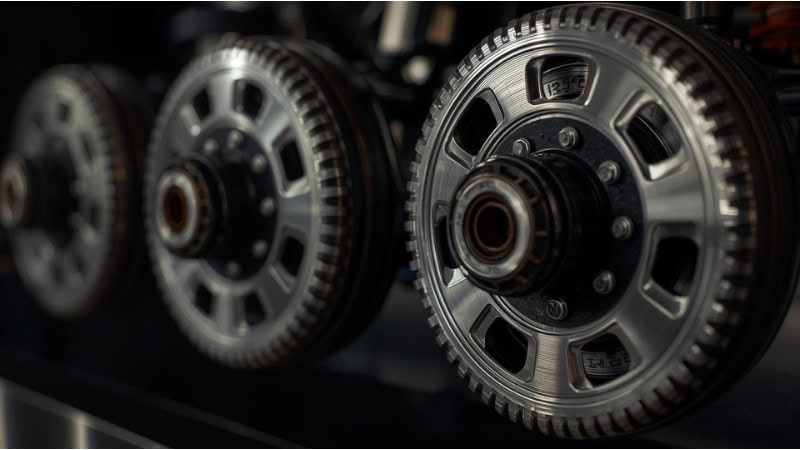
Yes, automatic cars work without a traditional flywheel because they use a flexplate and a torque converter instead. The torque converter is a fluid coupling that transmits power and smooths out engine pulses, acting like a flywheel in a manual car. If your flexplate—the metal disc connecting the engine to the torque converter—is missing or broken, the engine can’t send power to the transmission, and the car won’t move.
Even though automatics do not use a heavy flywheel, they still need a working flexplate. If the flexplate fails, you will notice vibrations, trouble starting the car, or shifting problems. The flexplate provides the critical function in an automatic transmission that the flywheel supplies in a manual transmission.
Key Differences Between Flywheels and Flexplates
Flywheels and flexplates both connect the engine to the rest of the drivetrain, but they’re made for different types of transmissions and have some key differences:
- Weight and Thickness: Flywheels are heavy and thick to store rotational energy, while flexplates are lighter and thinner since the torque converter handles momentum.
- Function: Flywheels assist clutch engagement and smooth engine pulses; flexplates mainly transfer power to the torque converter.
- Maintenance: Flywheels rarely fail unless damaged; flexplates can develop cracks or broken teeth, requiring replacement.
- Connection Points: Flywheels interface with clutches; flexplates interface with torque converters and starter motors.
Knowing these differences helps you and your mechanic figure out what’s wrong if your car has engine or transmission issues.
FAQs
Q1: Do all automatic cars have flexplates?
Yes, almost every automatic car uses a flexplate instead of a traditional flywheel. The flexplate is a thin, round piece of metal that connects the engine’s crankshaft to the torque converter, which transfers and multiplies the engine’s power to the automatic transmission. No clutch is needed in this design. While manuals rely on a heavy flywheel for energy storage and clutch operation, automatics rely on the torque converter for those tasks. Flexplates may look a little different depending on the car, but their job is always the same: reliably transfer engine power to the automatic transmission.
Q2: Can I replace a flexplate with a flywheel?
No, you cannot swap a flexplate for a flywheel in an automatic car. Flywheels are designed for manual cars with a clutch system and are heavy and thick. Flexplates are thinner and lighter, designed to work with a torque converter—a fluid device that replaces a clutch in automatics. Using a flywheel in an automatic transmission would not work and could damage your engine or transmission. Always use the right part for your car’s transmission type.
Q3: How long does a flexplate last?
A flexplate can last as long as your car if you avoid damaging or overstressing it. However, cracks, warping, or broken starter teeth can shorten its life. Heavy towing, tough driving, or engine vibrations can wear it out faster. Check the flexplate during engine or transmission service. If you hear rattling, feel odd vibrations, or have trouble starting your car, you may need a new flexplate. Replace it promptly to prevent more serious transmission problems.
Q4: Signs my automatic car needs flexplate maintenance
Watch for rattling or clunking noises from the engine, especially when you start the car. Vibrations while idling, rough or delayed shifting, and starter problems also signal that something is wrong. If you ignore these symptoms, you risk serious damage to the engine or transmission. Flexplate problems sometimes appear similar to other issues, so inspect carefully. Perform regular maintenance and replace worn flexplates to keep your automatic transmission working smoothly and avoid expensive repairs.
Q5: What is the difference between a flywheel and a flexplate?
A flywheel is heavy and stores energy, helping the clutch work in manual cars. A flexplate is lighter and thinner, and it connects the automatic transmission to the torque converter. Flywheels smooth out engine pulses and let you shift gears manually, while flexplates primarily transfer power and help the starter turn the engine. Flywheels rarely fail unless you damage them, but flexplates can crack or wear out over time. Knowing the difference helps you and your mechanic solve problems quickly.
Q6: Can a flexplate cause engine vibrations?
If your flexplate is damaged or out of balance, you will probably feel vibrations while idling or driving. Cracks, warping, or broken teeth can upset the balance and cause vibrations through the engine mounts. If your car shakes or makes strange noises near the engine, check the flexplate. Replace it quickly to restore smooth driving and protect your transmission and starter.
Q7: How do I inspect a flexplate?
To inspect the flexplate, a mechanic usually removes the transmission or accesses that area. They look for cracks, broken or worn starter teeth, or warping. Sometimes, they also check for strange engine vibrations or starter problems. If the flexplate shows any damage, replace it right away. Inspection during regular maintenance or engine work helps you catch problems early and avoid bigger repair bills.
Q8: Can a failing flexplate prevent my car from starting?
A damaged flexplate can prevent your car from starting. If the teeth wear down or break, the starter cannot turn the engine, so the car will not start. You might also hear rattling or feel strange vibrations. If you ignore a bad flexplate, you could damage your transmission. Replace it quickly to ensure your car runs reliably.
Conclusion
Automatic cars do not use a flywheel like manual cars. Instead, they use a flexplate to send engine power to the torque converter. While both flywheels and flexplates connect the engine to the drivetrain, they differ in design and role. When you understand what the flexplate does, you can figure out the causes of vibrations, starting problems, or transmission issues. Regular checks and maintenance let you avoid costly repairs and keep your car running smoothly. If you own an automatic car, know that the flexplate replaces the flywheel, so you can stay ahead of potential problems and keep your vehicle reliable.
