
If you work in a shop, you know how tough it is to keep your hands clean. Motor oil, axle grease, carbon buildup, and brake dust get deep into your skin, especially around your knuckles and under your fingernails. Regular soap might make your hands smell better, but those stubborn stains usually stick around. Mechanics need smarter, gentler ways to get truly clean without wrecking their skin. This guide offers simple, shop-tested tips for properly cleaning mechanics’ hands. No gimmicks or risky tricks—just real methods that work after a long day in the garage.
What Makes Mechanic Hands Different from Regular Dirty Hands
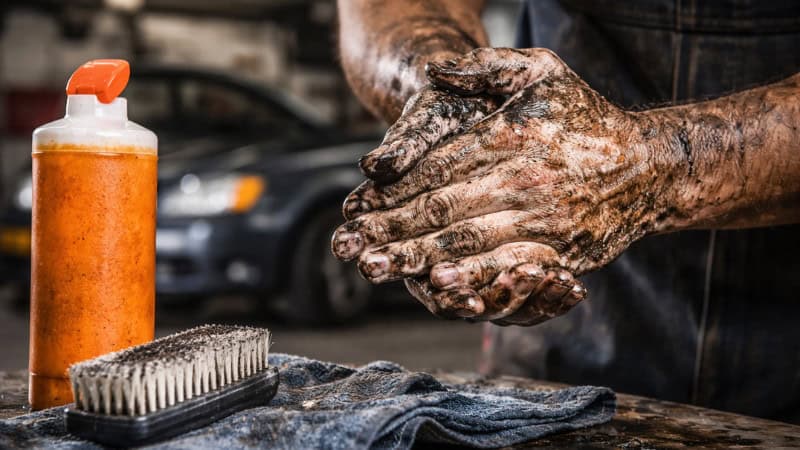
Mechanic’s hands don’t just get dirty—they get grime that sinks in deep. Grease, engine oil, and carbon aren’t like regular dirt. These are petroleum-based and made to withstand heat, pressure, and moisture, so they stick to your skin and work their way into your pores. Brake dust and tiny metal particles settle around your knuckles and under your nails, making your hands look stained if you don’t clean them well. After hours in a hot shop, sweat makes these contaminants cling even more. That’s why mechanics need tougher cleaning methods than regular hand soap, but ones that still protect their skin.
Best Time to Clean Mechanic’s Hands
Once you know why mechanics’ hands get so dirty, it’s important to wash up right after finishing work, before grease and oil have time to soak in and harden. Waiting can make stains tougher to remove and require more effort later. Even a quick rinse before leaving helps reduce buildup and is easier on your skin.

Easy Tips on How to Clean Mechanics’ Hands
- Start with dry hands before adding any cleaner—using water first only spreads the grease around.
- Use a mechanic-grade hand cleaner instead of regular bathroom soap.
- Work the cleaner into your knuckles, fingerprints, and cuticles.
- Add a small splash of warm water, and keep scrubbing.
- Use a nail brush or an old toothbrush to get under your nails and into the creases.
- Rinse with warm (not hot) water so you don’t dry out your skin.
- If needed, repeat the process once instead of scrubbing aggressively.
- Dry your hands thoroughly before grabbing tools, your phone, or the steering wheel.
By following these steps, you’ll see how mechanics across US shops keep their hands clean every day—using methods that are fast, effective, and gentle enough for regular use. Next, let’s discuss which cleaners work best for these tough jobs.
Best Hand Cleaners for Mechanics
| Cleaner Type | Best Use | Advantages | Limitations |
|---|---|---|---|
| Grit-Based Hand Cleaner | Heavy grease, axle work, diesel jobs | Cuts thick grease quickly, deep cleaning power | May dry skin if used excessively |
| Non-Grit Hand Cleaner | Daily shop work, frequent washing | Gentle on skin, suitable for regular use | May require multiple washes |
| Citrus-Based Cleaner | Oil, fuel odor, light grease | Pleasant scent, effective oil breakdown | Less effective on heavy carbon buildup |
| Soap + Baking Soda Mix | Emergency home cleaning | Low cost, easily available ingredients | Not strong enough for shop-grade grease |
| Oil-First Method | Deep, embedded grease stains | Loosens grease before main wash | Requires a second cleaning step |
How to Remove Stubborn Grease Stains & Black Marks
Even when you follow the main cleaning tips, you might run into stains that resist removal. If grease doesn’t come off in one wash, avoid scrubbing harder, which can hurt your skin. Instead, wash your hands, dry them, then apply more hand cleaner to dry hands. Let it sit for 20–30 seconds, add warm water, and scrub again with a soft nail brush. Repeating this process is gentler and more effective than aggressive scrubbing.
How to Protect Mechanics’ Hands After Cleaning
Cleaning your hands is only half the battle—protecting them afterwards is just as important, since frequent washing can strip natural oils, leaving skin dry and sore. After your last wash, apply a heavy-duty hand moisturizer to damp skin to lock in moisture and help your hands heal overnight. Skip thin lotions that soak in fast but don’t offer real protection. Well-moisturised hands heal faster, stay cleaner, and are less likely to get infected from minor cuts or splits.
Common Mistakes Mechanics Make When Cleaning Hands
A lot of mechanics accidentally damage their hands without realizing it. One of the biggest mistakes is using gasoline, brake cleaner, or other strong solvents to remove grease. These chemicals strip your skin of its oils and can actually burn you or cause long-term damage. Another common mistake is scrubbing too hard with wire brushes or pumice stones, which can crack your skin and lead to infections. Washing over and over with hot water dries your hands out even more. And waiting until your hands hurt to take care of them is a trap that’s easy to fall into. The goal is to clean off grease—not your skin. Using smart, gentle methods works better than harsh shortcuts and keeps your hands in good shape for the long haul.
Prevention Tips – Keep Mechanic’s Hands Cleaner in the First Place
To make cleaning easier, try to prevent your hands from getting too dirty. Wear gloves for jobs with heavy grime or chemicals, and use barrier creams to keep grease from sticking. Wipe hands with a rag before washing to remove surface oil. These habits protect your skin, save time, and keep your hands in better shape.
FAQ
FAQ 1: How do mechanics get grease off their hands fast?
Most mechanics clean grease fast by applying hand cleaner to dry hands first, since water spreads oil. Work cleaner into your hands, then add warm water. A nail brush helps lift embedded grime, saving skin and time.
FAQ 2: What is the best hand cleaner for mechanics?
The best hand cleaner depends on the job. Heavy grease needs a grit-based cleaner; daily shop work is better with non-grit formulas for skin protection. Citrus cleaners help with odour but may struggle with carbon. Many mechanics keep more than one option to match the mess.
FAQ 3: Can regular soap clean mechanics’ hands?
Regular soap can remove surface dirt but rarely pulls out embedded grease or carbon. Automotive oils are designed to resist water and heat, which makes them prone to sticking to skin. Soap may leave hands looking cleaner while stains remain. Mechanics usually need special hand cleaners or oil-breaking methods to fully clean their hands without excessive scrubbing.
FAQ 4: Is it bad to use gasoline or brake cleaner on the hands?
Yes, it’s very bad. Gasoline and brake cleaner strip natural skin oils and can cause chemical burns, cracking, and long-term nerve damage. These products are not designed for skin contact. While they may remove grease quickly, they destroy skin barriers and increase infection risk. Safe hand cleaners work just as well without the damage.
FAQ 5: Why do mechanics’ hands stay black even after washing?
Black stains come from carbon, metal dust, and oil trapped deep in pores and skin lines. One wash often isn’t enough. Letting grease sit too long makes it worse. Cleaning in stages—dry cleaner first, then warm water—helps lift stains gradually. Repeated gentle cleaning is better than aggressive scrubbing in a single attempt.
FAQ 6: How can mechanics clean under fingernails?
Under fingernails is where grease hides the longest. A soft nail brush or an old toothbrush works best. Apply hand cleaner first, scrub nails gently, then rinse with warm water. Cutting nails short also helps prevent buildup. Avoid sharp tools, which damage skin and cause infections. Regular nail cleaning makes hands look cleaner overall.
FAQ 7: How often should mechanics moisturize their hands?
Mechanics should moisturize at least once a day, ideally after the final hand wash. Frequent washing strips protective oils, leading to cracks and pain. Applying a heavy-duty hand cream at night allows skin to repair while resting. Healthy skin also releases grease more easily, making future hand cleaning faster and less harsh.
FAQ 8: Do gloves really help keep mechanics’ hands clean?
Yes, gloves make a big difference. Wearing gloves during oil changes, brake work, and chemical handling prevents grease from soaking into skin. Even removing gloves for fine tasks still reduces overall buildup. Gloves won’t keep hands perfectly clean, but they dramatically reduce staining, skin damage, and the time needed to clean mechanics’ hands later.
Conclusion
Pulling all these tips together leads to clean, healthy, and comfortable hands—something every mechanic appreciates. Cleaning your hands after a day in the shop isn’t just about looking good—it’s about staying healthy, feeling comfortable, and working smarter. Grease, oil, and carbon come with the territory, but skin damage doesn’t have to. With the right timing, good hand cleaners, and safe techniques, you can clean up quickly without hurting your hands. Skip the harsh shortcuts, build a few smart habits, and take care of your skin after work. These routines save you time and pain in the long run. In any shop, clean hands aren’t just for show—they’re a mark of a pro who really knows their trade.
