
Your car battery can lose power even when parked and off. Mechanics often see failures in cars that have been unused for a while, especially newer models with many electronics. How long a battery lasts without driving depends on age, weather, and how much power is used while parked. Some cars are fine for weeks; others struggle after days. Knowing this helps you avoid a dead battery and surprise jump-starts.
How Long Can a Car Sit Before the Battery Is Permanently Damaged?
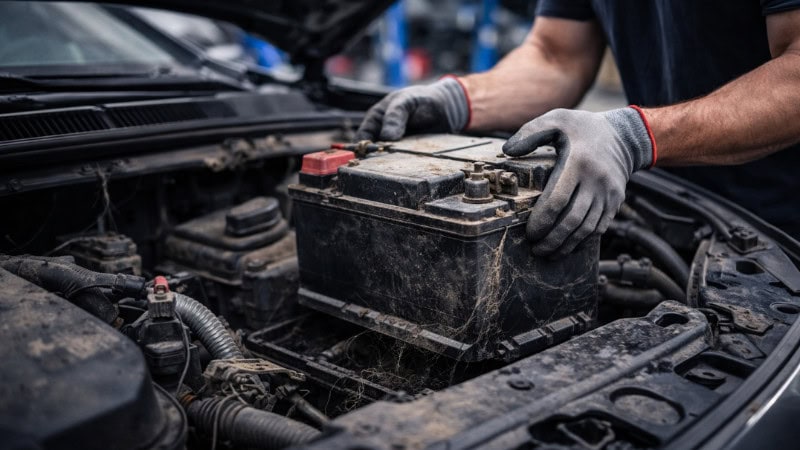
A battery doesn’t just die once and bounce back forever. When a car sits too long, and the battery fully discharges, permanent damage can start. Deep discharging causes sulfation to build up on the battery plates, which reduces its ability to hold a charge. From a mechanic’s perspective, this is when batteries start failing even after jump-starts. A battery left dead for several weeks may never fully recover, even if it starts the car again. This is why long-term-parked vehicles often need new batteries, not just recharging. Letting a battery stay dead is one of the fastest ways to shorten its lifespan and waste money on early replacement.
Quick Answer
Most car batteries last one to four weeks without being driven. A brand-new battery in mild weather may last up to a month, while an older battery or one in cold weather might last a week or less. Newer vehicles drain batteries faster due to ongoing power needs from computers and security systems. Mechanics often see problems after two weeks of sitting. This is why simple preventive measures are recommended if your car will be parked for a while.
you may like: How to Charge a Car Battery Without a Charger
What Happens to a Car Battery When the Car Sits
A parked car’s battery naturally loses charge, a process called self-discharge. Modern cars also use power for alarms, computers, and memory settings. These small draws add up and drain the battery daily. If not fully charged before parking, it loses power faster. Prolonged low voltage can damage components, weakening future charge. Letting a car sit too long quickly shortens battery life.
Average Battery Life Without Driving
| Vehicle Situation | Battery Condition | Estimated Time Without Driving |
|---|---|---|
| New battery, parked indoors | Excellent |
3–4 weeks |
| Daily driver, healthy battery | Good |
2–3 weeks |
| Battery older than 3 years | Fair |
7–14 days |
| Cold weather (below 32°F) | Any |
3–10 days |
| Parasitic electrical draw | Any |
1–5 days |
Why Your Battery Dies Faster When You Don’t Drive
- Battery age – Older batteries lose charge faster and have less reserve capacity.
- Cold weather – Low temperatures slow chemical reactions inside the battery.
- Heat exposure – High heat damages internal plates and accelerates discharge.
- Parasitic draw – Alarms, computers, and clocks pull power 24/7.
- Short trips before parking – Battery never fully recharged.
- Aftermarket electronics – Dash cams, amplifiers, and trackers increase drain.
- Poor charging system – Weak alternators leave batteries undercharged.
Signs Your Battery Is Going Dead While Parked
A battery that’s dying while sitting usually gives warning signs before it completely fails. One of the most common symptoms is a slow or weak engine crank when you turn the key. You may also notice dashboard lights flickering or dimming, especially on startup. In some cases, the car may click once and fail to start. Another sign is losing radio presets or clock settings, which indicates voltage drops. From a mechanic’s point of view, these symptoms mean the battery is struggling to hold a charge. Ignoring them often leads to a no-start situation at the worst possible time, such as early mornings or cold weather.
you may like: How to Clean Battery Acid
How to Keep a Car Battery Alive Without Driving
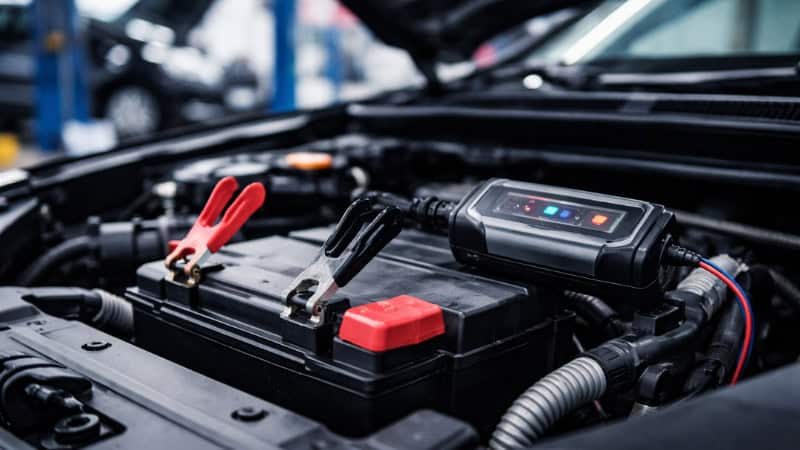
If you expect prolonged parking, follow these key recommendations to protect your battery: First, use a battery maintainer or trickle charger; mechanics consider this the most effective solution for long-term storage. Second, disconnect the negative battery terminal to reduce power drain—this will reset your vehicle’s settings but can help preserve charge. Third, start the car occasionally and let it run long enough for a full recharge, but do this only if a maintainer or disconnection is not possible. Fourth, park indoors or in a garage to shield the battery from extreme temperatures. Mechanics find that proactively using these steps helps drivers avoid dead batteries and unnecessary replacements.
Battery Maintainer vs. Trickle Charger
Many drivers confuse battery maintainers with trickle chargers, but they are not the same. A trickle charger delivers a constant low charge, which can overcharge a battery if left unattended. A battery maintainer, on the other hand, monitors voltage and only supplies power when needed. From a mechanic’s point of view, maintainers are the safer and smarter choice for parked vehicles. They keep the battery fully charged without damaging it. For cars that sit more than two weeks, especially seasonal or backup vehicles, a maintainer prevents sulfation and extends battery life. In the shop, we always recommend maintainers for long-term storage situations.
Is Letting the Car Idle Enough?
Idling for a few minutes rarely fully recharges the battery, since the alternator’s output is low at idle. Batteries need consistent driving at normal speed for proper recharge. Mechanics suggest 20–30 minutes of driving at highway speeds. Short idling keeps the battery partially charged, which can shorten its lifespan.
FAQ
FAQ 1: How long can a car sit before the battery dies?
Most cars can sit 1–4 weeks before the battery dies, depending on its condition and environment. A new, fully charged battery may last close to a month, while an older one might struggle to last just one week. Modern vehicles drain batteries faster due to electronics like alarms and onboard computers. From a mechanic’s experience, two weeks of sitting is often the point where starting problems begin.
FAQ 2: Will a new car battery die if I don’t drive?
Yes, even a new car battery can die if the car isn’t driven. While new batteries last longer, they still lose charge over time due to natural self-discharge and parasitic draw. Modern vehicles constantly use power, even when off. If a new car sits unused for several weeks without a maintainer, it can still die. New doesn’t mean immune—it just buys you more time.
FAQ 3: Does cold weather make a battery die faster when parked?
Absolutely. Cold weather significantly reduces a battery’s ability to hold and deliver power. In freezing temperatures, chemical reactions in the battery slow down, lowering the voltage. A battery that might last three weeks in warm weather could die in just a few days in winter. Mechanics see the most dead batteries during cold months, especially from cars that haven’t been driven regularly.
FAQ 4: Can I just start my car once a week to keep the battery alive?
Starting the car once a week helps, but only if you let it run long enough. Simply starting the engine for a few minutes isn’t enough to recharge the battery. Ideally, the car should be driven for 20–30 minutes to allow the alternator to properly recharge it. Short starts without driving can actually weaken the battery over time, as mechanics frequently see.
FAQ 5: Is idling better than not starting the car at all?
Idling is better than nothing, but not ideal. At idle, charging power is limited and rarely fully recharges the battery. Driving at normal speed works better. Idling is just a temporary solution. For long-term parking, use a battery maintainer.
FAQ 6: What is parasitic battery drain?
Parasitic drain is an electrical draw that continues when your car is off. Alarms, keyless entry, clocks, and computers all consume small amounts of power, which can add up over time. Sometimes, faulty wiring or aftermarket accessories cause excessive drain. Mechanics test for parasitic drain when batteries die unexpectedly.
FAQ 7: Should I disconnect the battery if my car will sit for months?
Yes, disconnecting the battery is a good option if the car will sit for months. Removing the negative terminal stops most electrical drain and helps preserve battery charge. However, it will reset radio presets and some vehicle settings. From a mechanic’s view, disconnecting the battery or using a maintainer are the best long-term storage solutions to avoid battery damage.
FAQ 8: When should I replace a battery that keeps dying?
If your battery is over 3–5 years old and keeps dying after sitting, it’s likely time for replacement. Repeated jump-starts don’t fix the underlying issue and often cause more damage. A proper load test can confirm battery health. Mechanics recommend replacing weak batteries early rather than waiting for complete failure, which usually happens at the most inconvenient time.
Conclusion
Letting your car sit for long periods without driving might seem harmless, but it’s actually a leading cause of early battery failure. In real shop experience, most batteries begin to struggle after two weeks of inactivity, especially in newer vehicles with constant electrical demands. Factors like weather, battery age, and how often you charge it all affect how long it lasts unused. The good news? Dead batteries from sitting are usually preventable. Simple actions—like using a battery maintainer, taking your car for regular drives, or disconnecting the battery—can save you time, money, and headaches. If your battery repeatedly dies, it’s probably nearing the end of its life.
