
Most people rarely think about gasoline’s weight, but mechanics and auto experts do. Fuel weight affects more than just cost—it also affects how much your vehicle can carry, its efficiency, and its road feel. Filling your tank adds real weight, like extra passengers or cargo. For most drivers, this added weight is minor, but for trucks and heavily loaded vehicles, it matters. Knowing about gas weight also clears up misunderstandings about fuel economy and vehicle performance.
Let’s start with a basic question that many drivers wonder about:
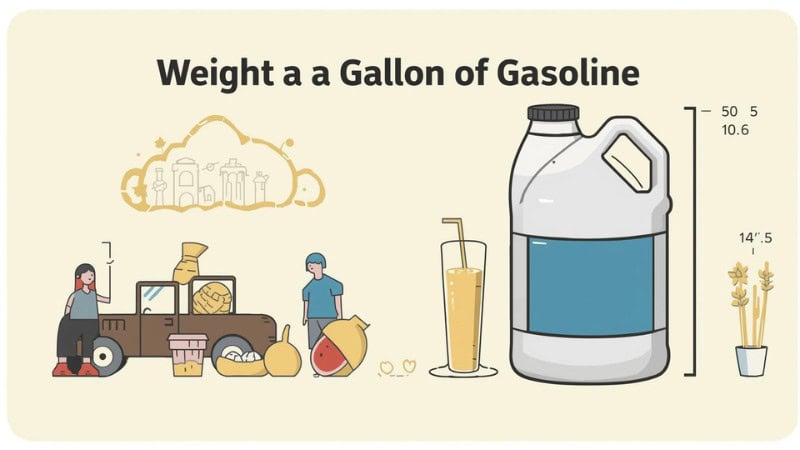
In the United States, a gallon of gasoline weighs about 6 to 6.3 pounds. Mechanics and engineers use this as a standard, based on the density of regular unleaded gas at most stations. Simply put, a gallon weighs about as much as a small bowling ball.
However, gasoline doesn’t have a fixed weight. Unlike water, whose density remains relatively constant, gasoline’s density changes with temperature and additives. That’s why different sources might give you slightly different numbers. For real-world purposes, using 6 pounds per gallon is typically accurate enough.
Why Gasoline Weight Is Not Always the Same
Gasoline’s weight varies because it expands and contracts with changing conditions. The fuel you buy one month may differ from the next, as refineries change blends seasonally and temperature affects density. Less dense fuel means each gallon weighs less, even if the pump reads a gallon.
Additives play a role, too. Today’s gasoline usually contains detergents and often ethanol, both of which can slightly change its density. This explains the typical range of 6.0 to 6.3 pounds per gallon. For daily driving, the difference is minor, but for trucks, trailers, and fleet vehicles, it can add up.
Summer Gas vs Winter Gas Weight Differences
Summer gasoline differs from winter’s and weighs a bit more. Refineries make summer blends denser to reduce evaporation, so a gallon of summer fuel is slightly heavier than a gallon of winter fuel.
Winter gas, blended for easy cold starts, is less dense and lighter. Most drivers won’t notice, but mechanics and engineers factor this in for load and efficiency over a tank.
How Temperature Changes Gasoline Weight
Temperature affects gas weight. As gas expands with warmth, a gallon occupies more space but weighs less; colder gas is heavier by volume.
That’s why gas weight is a range, not an exact number. Gas pumped on a hot afternoon will weigh less than gas pumped in the cold. For mechanics, this variance matters in precise work, but for most drivers, the difference is negligible.
Gasoline vs Diesel – Weight Comparison
Gasoline and diesel may look similar, but diesel weighs about 6.8 to 7.1 pounds per gallon, making it heavier than gasoline. Diesel is denser and thicker, which explains why diesel trucks feel heavier even before cargo is added.
Since diesel is heavier, a full diesel tank adds more weight to your vehicle than a full gasoline tank of the same size. This matters for things like how much you can haul or tow, and how much stress your suspension endures. It’s also part of why diesel engines and trucks are built tougher. For mechanics and commercial drivers, these weight differences are important when comparing gas and diesel vehicles for work.
How Much Does a Full Tank of Gas Weigh
To see how fuel weight matters, look at a full tank. Gasoline’s 6 to 6.3 pounds per gallon adds up. A compact car with a 12-gallon tank carries about 72 to 75 pounds of fuel. A midsize sedan with a 15-gallon tank holds about 90 pounds.
Larger vehicles hold even more. A pickup or SUV with a 20-gallon tank carries about 120 to 126 pounds of gasoline, like a small adult riding along. This usually isn’t a problem, but over time, it affects load limits, suspension, and fuel economy.
Does Gas Weight Affect MPG or Performance?
Gasoline weight slightly affects fuel economy and performance, but for most, the effect is small. Heavier vehicles require more energy to accelerate, so a full tank can reduce mileage slightly compared to driving on an empty tank. Most won’t notice unless tracking every fill-up.
Mechanics notice the effect in stop-and-go driving, where extra weight means longer braking and more suspension wear, especially in smaller cars. On the highway, you’ll hardly notice. Gas weight won’t harm your engine or cause a big MPG drop, but it’s a small detail that adds up over time.
Gas Weight for Trucks, Towing, and Payload Calculations
For trucks, vans, and towing vehicles, fuel weight isn’t just a fun fact—it’s a real part of load calculations. Every extra gallon adds about 6 pounds, and that can affect how much you’re allowed to haul, how your suspension holds up, and your towing capacity. A 30-gallon diesel pickup tank, for example, adds about 200 pounds of fuel alone. Add in cargo, passengers, and a trailer, and that extra weight quickly becomes important.
Mechanics consider fuel weight when advising customers about how much they can safely carry. Overloading your vehicle can lead to longer stopping distances, increased tire wear, and shorter suspension life. For commercial vehicles, accounting for fuel weight is crucial to follow weight regulations and stay safe. So, while a few extra gallons don’t matter much for daily drivers, for trucks and work vehicles, fuel weight really counts.
Does Ethanol in Gas Change the Weight?
Most gas at American pumps contains ethanol—usually 10% (E10) or sometimes 15% (E15). Ethanol is a bit less dense than gasoline, so these blends weigh a little less per gallon than pure gasoline. For example, a gallon of E10 weighs for most drivers, this difference is minor. For trucks, fleets, or towing, fuel in bulk can add up. Ethanol also tends to absorb water over time, which might increase the weight of stored fuel—a concern for long-term storage, not daily driving. Overall, ethanol-blended gas is slightly lighter, but the impact on regular cars is negligible.is a bit lighter, but not enough to make a big difference for regular cars.
How Mechanics Estimate Fuel Weight in the Shop
Mechanics factor fuel weight when assessing performance, towing, or suspension issues. The simplest method is using standards: 6 pounds per gallon for gasoline, about 7 for diesel. Multiply the gallons in your tank by the fuel weight to get a quick estimate of the extra load.
For really precise work, shops might consider the temperature, seasonal fuel blend, or ethanol content to get a more exact number. Operators of fleets or heavy-duty trucks sometimes even weigh the tanks before and after filling to check for differences. These methods help ensure vehicles aren’t overloaded and help prevent wear and tear on tires, suspension, and brakes.
Common Myths About Gasoline Weight
There are some common myths about gas weight that can trip up drivers. For example, some people think premium gas weighs more than regular gas, but the difference is tiny. Others believe a full tank is bad for engine performance. While extra weight can affect acceleration and fuel economy a little, it doesn’t harm your engine.
Some myths claim fuel weight changes your car’s handling, but in regular cars, the effect is minimal. Mechanics know that only trucks, SUVs, or heavily loaded vehicles are affected by fuel weight. Knowing the facts helps drivers make better decisions about towing, payload, and fuel economy.
Quick Reference – Gasoline Weight Facts
Here’s a quick, easy-to-remember cheat sheet for gasoline weight:
- Average gasoline weight: 6–6.3 pounds per gallon.
- Diesel fuel weight:8–7.1 pounds per gallon.
- Ethanol blends (E10/E15): Slightly lighter than pure gas.
- Temperature effect: Warm gas is lighter; cold gas is denser.
- Seasonal blends: Summer gas is slightly heavier than winter gas.
- Full tank impact: Adds significant weight to trucks and SUVs; minor for small cars.
- Performance effect: Slightly reduces MPG and acceleration; more noticeable in heavy vehicles.
This quick reference is helpful for anyone—mechanics, fleet managers, or everyday drivers—who wants to know about fuel weight without doing the math.
FAQs
Q1: How much does a gallon of gas weigh in the U.S.?
On average, a gallon of regular gasoline weighs between 6 and 6.3 pounds. This can vary slightly with temperature, fuel blend, and ethanol content. Diesel is heavier, at about 6.8 to 7.1 pounds per gallon. For daily drivers, these small changes don’t make a big difference, but mechanics do consider them when evaluating load limits, towing, or fuel system checks. Using 6 pounds per gallon is a good rule of thumb for most real-world situations, whether you’re guessing tank weight or working in a shop.
Q2: Does premium gas weigh more than regular gasoline?
No, premium gas doesn’t weigh more than regular. The higher octane rating just means it resists engine knock better, not that it’s heavier. Any difference in weight is tiny—less than a tenth of a pound per gallon. Things like temperature, ethanol, and seasonal blends have a much bigger effect on weight than octane. So, premium fuel doesn’t make a practical difference in fuel weight or how much your vehicle can carry.
Q3: Does cold weather make gas heavier?
Yes, but only a little. Gasoline contracts when it’s cold, so a gallon is a bit heavier in winter than in summer. When it’s warm, gas expands and is lighter by volume. While mechanics can measure the difference, most drivers won’t ever notice it. For trucks or fleet vehicles with large tanks, the extra weight can add up, which is why mechanics sometimes factor in temperature when calculating loads.
Q4: How much does a full tank of gas add to my car’s weight?
It all depends on your tank size. Just multiply the number of gallons your tank holds by 6 (for gasoline) to get the total fuel weight. For example, a 12-gallon tank adds about 72 pounds, a 15-gallon tank adds 90 pounds, and a 20-gallon tank brings it to 120 pounds. Diesel tanks add more since diesel is heavier. For regular cars, these numbers don’t matter much, but for trucks, SUVs, and towing, they can affect suspension, braking, and fuel economy. Mechanics think about this when checking performance or safety.
Q5: Is diesel fuel heavier than gasoline?
Yes. Diesel weighs about 6.8 to 7.1 pounds per gallon, while gasoline weighs about 6 to 6.3 pounds per gallon. Diesel’s extra weight comes from its thicker, denser makeup. For trucks and commercial vehicles, this matters a lot for how much you can carry and tow, as well as how your suspension holds up. Mechanics always consider this difference when helping customers with heavy-duty or long-haul vehicles. Even though diesel engines are built tougher, fuel weight is still a big factor for planning loads and performance.
Q6: Does ethanol in gas change the weight?
Yes, but just a little. Ethanol is lighter than gasoline, so blends like E10 or E15 weigh a bit less per gallon than pure gas. For example, a gallon of E10 might weigh 5.9 to 6.1 pounds instead of 6 to 6.3. For everyday driving, this won’t really affect fuel economy or performance. Mechanics only pay attention to it when doing precise calculations for trucks, fleets, or towing. Ethanol also attracts water over time, which can make stored fuel a bit heavier, but that’s mostly an issue if you’re storing gas for a long time.
Q7: Does carrying more fuel reduce MPG or affect performance?
Carrying a full tank of gas does add weight, so it can reduce your miles per gallon a little and affect how quickly your car accelerates. In small cars, the effect is minor, but for trucks, SUVs, or vehicles towing something heavy, you’ll notice it more. A heavier vehicle needs more energy to move, which means slightly more fuel is used and a slight impact on handling and braking. Mechanics factor in fuel weight when calculating towing loads or performance. It won’t damage your engine, but knowing about fuel weight can help you plan trips and manage your fuel efficiency.
Conclusion
Knowing how much gasoline weighs isn’t just fun trivia—it actually matters for drivers, mechanics, and anyone managing vehicles. A single gallon is about 6 to 6.3 pounds, but factors like temperature, seasonal blends, and ethanol content can change that slightly. Most everyday drivers might not notice the difference, but for trucks, SUVs, and towing, fuel weight can impact load and performance. Keeping fuel weight in mind helps you plan trips, manage your vehicle safely, and keep everything running smoothly. For mechanics, it’s a small detail that makes diagnostics and load checks more precise.
