
A dead car battery is a problem many of us face, especially after cold nights, frequent short trips, or accidentally leaving the lights on. Not having a battery charger doesn’t mean you’re out of options. There are several ways to restore power to your battery using tools most drivers already have or can easily access. However, understanding the difference between starting the car and charging the battery is important. Some methods only provide enough energy to get you moving, not a full recharge. In this guide, I explain practical and safe ways to charge a car battery without a charger—and when it’s better to consider other solutions.
Quick Safety Check Before You Start
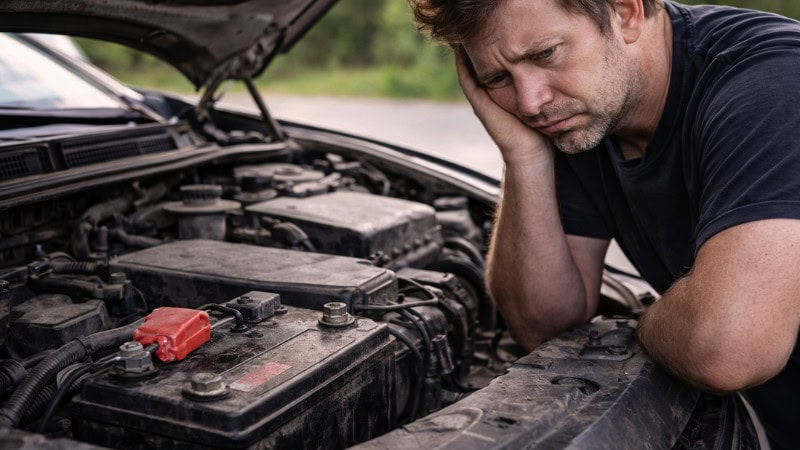
Before handling any cables, open the hood and inspect the battery carefully. If you see cracks, swelling, leaks, or signs of freezing, stop immediately and call a professional. Examine battery terminals for corrosion or loose connections—clean and tighten as needed for proper contact. Put the car in park, set the parking brake, and turn off the ignition. Remove metal jewelry, such as rings or watches, to prevent short circuits. Always treat batteries with caution, checking for anything abnormal before proceeding.
Common Ways to Charge a Car Battery Without a Charger
Method 1: Jump-Starting from Another Vehicle
Jump-start your car if the battery isn’t completely dead. Use high-quality jumper cables and a donor vehicle with a strong battery. First, attach the positive cable to both positive terminals. Then, connect the negative cable to a solid ground on your car, not directly to the dead battery. Start the donor vehicle; let it run for a few minutes. Try to start your car. If it starts, let it idle for at least 15–20 minutes. This will not fully recharge the battery, but will keep your car running. If the car stalls again, replace the battery.

Method 2: Letting the Alternator Recharge the Battery
Let your car run so the alternator charges the battery. After jump-starting, drive at steady highway speeds for 30–45 minutes for best results. Do not rely on idling—it is ineffective. This method only works if the battery has some charge left. If the battery is deeply drained, driving may not be enough. If the alternator is weak, this method will not work.
Method 3: Using a Portable Jump Starter
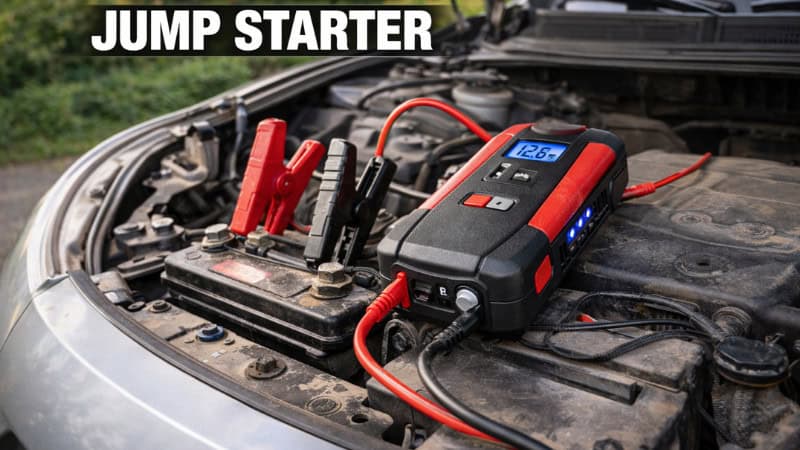
Keep a portable jump starter in your trunk. When needed, connect it correctly to your battery and start your car. Let the alternator charge the battery after the engine starts. Use units with safety features to prevent incorrect hookups or sparks. Rely on this tool if you are alone and need a jump. If the battery is fully dead or internally damaged, replace it rather than repeatedly jump-starting.
Method 4: Solar Charging
Use a solar panel to gently charge your battery. Connect it to the battery or via the cigarette lighter, as your setup allows. Use solar charging during long parking periods. Expect gradual charging over hours or days. Rely on solar power for battery maintenance or slow recovery, not emergencies. Favor solar as a prevention tool, not a quick fix.

What NOT to Do
- Do not reverse the jumper cable connections.
- Do not jump or charge a cracked, leaking, or frozen battery.
- Do not rev the engine aggressively while jump-starting.
- Do not connect negative cables directly to a damaged terminal.
- Do not use homemade wiring or unsafe “internet hacks.”
- Do not assume repeated jump-starts will fix a failing battery.
Signs the Battery Is Actually Charging
After starting the car, pay attention to how it behaves. A charging battery will crank the engine faster on restarts and keep the vehicle running smoothly. Dashboard warning lights, especially the battery or charging system light, should turn off once the engine is running. If you have a multimeter, a healthy charging system should show around 13.7–14.5 volts while the engine is running. If the voltage drops quickly or stays low after the engine is shut off, the battery may not be holding a charge. Slow cranking, dim lights, or repeated stalling are signs that charging isn’t working, and the battery is likely failing.
When Charging Won’t Fix the Problem
Sometimes, charging won’t solve the problem. Most car batteries last 3 to 5 years, depending on climate and driving habits. If your battery keeps dying, won’t hold a charge, or needs frequent jumps, it’s likely worn out inside. No charging can fix damaged plates or sulfation. If the alternator fails, charging won’t help either. Shops test both the battery and alternator before recommending replacement. If the battery fails, replacing it is usually cheaper and safer than chasing temporary fixes. Knowing when to stop trying saves time, money, and stress.
you may like: How to Clean Battery Acid
Pro Mechanic Tips to Avoid Future Dead Batteries
It’s easier to prevent battery problems than to fix them later. Drive your car regularly and try to avoid too many short trips, since these don’t give the battery enough time to recharge. Keep the battery terminals clean and tightly fastened to reduce electrical resistance. If you live in areas with extreme heat or cold, expect the battery to wear out faster and test it more often. Always turn off lights, accessories, and electronics before shutting down your car. If your car will be sitting unused for a while, consider using a battery maintainer or a solar trickle charger. Most dead batteries don’t fail suddenly—they show warning signs first. Pay attention early to avoid being stranded.
Frequently Asked Questions
FAQ 1: Can you really charge a car battery without a charger?
Yes, you can—but only to a certain extent. Without a proper charger, you rely on indirect methods like jump-starting, driving, or portable jump starters. These methods put some charge back into the battery, usually enough to keep the car running. However, they don’t fully condition or balance the battery like a real charger does. From a mechanic’s standpoint, these are temporary solutions, not long-term battery care. If the battery keeps dying, charging without a charger won’t fix the root problem.
FAQ 2: Is jump-starting the same as charging a battery?
No, jump-starting and charging are not the same thing. Jump-starting simply gives the battery enough power to crank the engine. Once the engine is running, the alternator slowly recharges the battery. A proper charger restores the battery in a controlled way, which is much healthier. As mechanics, we treat jump-starting as an emergency tool—not a charging method. Repeated jump-starts usually indicate a weak or failing battery.
FAQ 3: How long should I drive to recharge a dead battery?
In most cases, you’ll need to drive at least 30 to 45 minutes at a steady highway speed to put a decent charge back into the battery. Short city trips or idling won’t do much. Even after a long drive, the battery may still not be fully charged. If the battery was deeply discharged, one drive won’t fix it. In the shop, we always recommend a charger or battery test afterward to see if the battery can still hold a charge.
FAQ 4: Can idling the car charge the battery?
Idling does recharge the battery, but slowly. Modern vehicles generate little alternator output at idle, especially with lights or electronics on. Idling for an hour might not recover much charge. For mechanics, idling is inefficient and wastes fuel. Driving at steady RPMs works better. If idling is your only option, turn off all accessories to help the battery recover.
FAQ 5: Is it bad to jump-start a car frequently?
Yes, frequent jump-starting is a red flag. While jump-starting itself doesn’t usually damage a healthy car, doing it often stresses the battery and charging system. It’s usually a sign that the battery can’t hold a charge anymore or the alternator is weak. In the shop, if a customer needs more than one jump-start in a short period, we recommend testing the battery immediately. Ignoring the issue often leads to getting stranded again.
FAQ 6: Can a completely dead battery be recharged without a charger?
Sometimes, but don’t count on it. If the battery voltage is extremely low, alternator charging or jump-starting may not be enough to restore it. Many modern vehicles won’t even recognize a deeply discharged battery. A proper charger can slowly revive it, but without one, success is hit-or-miss. As a mechanic, I’ll be honest—if a battery is fully dead and more than a few years old, replacement is usually the smarter option.
FAQ 7: Will using a portable jump starter damage my battery?
No, portable jump starters are generally safe when used correctly. Most modern units have built-in protection against reverse polarity and short circuits. They don’t charge the battery directly; they just help start the engine so the alternator can do the work. Mechanics actually recommend jump packs because they reduce the risk of mistakes compared to jumper cables. Just remember, if you need a jump pack often, the battery itself is probably failing.
FAQ 8: How do I know if the battery is beyond saving?
If the battery won’t hold a charge, struggles to start the engine even after driving, or dies overnight, it’s likely done. Other signs include slow cranking, dim lights, corrosion buildup, or a battery older than five years. In the shop, we confirm this with a load test. If it fails, no amount of jump-starting or driving will fix it. At that point, replacing the battery is safer, cheaper, and more reliable.
Final Mechanic Takeaway
Charging a car battery without a charger is possible, but it’s not a miracle solution. Jump-starts, alternator charging, and portable jump starters are useful for getting you back on the road, but they aren’t permanent fixes. If your battery keeps dying, it’s sending you a warning—and ignoring it will only make things worse. After years of experience, my advice is straightforward: use these methods safely, know their limitations, and don’t hesitate to replace a battery that’s outlived its usefulness. Having a dependable battery saves you time, money, and stress, which every driver can appreciate.
