
When you’re working under the hood and spot that white, crusty buildup or notice battery acid leaking, don’t brush it off. As a mechanic, I know it’s much more than cosmetic. Corrosion and acid can damage terminals, wiring, and the battery tray, leading to starting issues or leaving you stranded. This problem has consequences, but with the right steps, it’s manageable. I always keep baking soda and heavy-duty gloves close by for this reason.
In this guide, I’ll break down, step by step, how I tackle battery acid cleanup in my own shop. You’ll get the why and the how—what causes acid buildup, the safest way to knock it out, and the pro tricks I use to keep corrosion from coming back. Whether you wrench on your own ride or work in a busy shop, these steps will help you keep your battery and electrical system running strong.
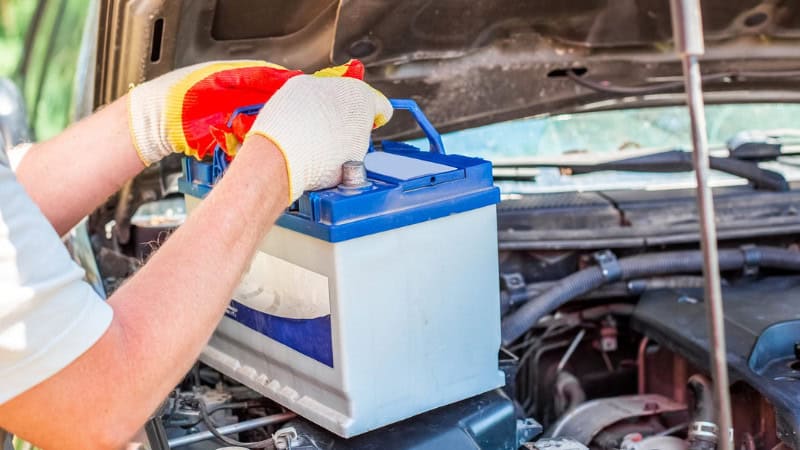
What Exactly Is Battery Acid?
Car batteries aren’t just big boxes that hold power—they actually make electricity through a chemical reaction. Inside, there’s a mix of sulfuric acid (a highly corrosive liquid) and distilled water. That acid is powerful, nasty stuff, and it’s what makes your battery crank the engine every morning.
If your battery gets old, overheats, is overcharged, or cracks, that sulfuric acid can leak out and attack the metal around the terminals. That’s when you start seeing that white, green, or blue powder—that’s corrosion. Left alone, this stuff will chew through your terminals, wiring, and brackets, and can leave you with slow cranking, charging issues, or a dead car that won’t start.
Understanding what battery acid is—and why it leaks—makes it easier to clean it safely and prevent the problem from recurring.
Read More: How the Ignition System Works
Signs of Battery Acid Corrosion
You don’t have to be a pro to spot battery acid leaks—if you know what to look for. The most common giveaway is a white, blue, or green powder caked around your terminals. (Terminals are the metal posts or lugs where battery cables attach.) That’s a mix of dried acid and metal corrosion, and it’s a clear sign your battery is having a chemical meltdown. Sometimes, you’ll catch a strong sulfur or rotten-egg smell—that’s the battery breaking down from the inside.
Another giveaway is slow cranking, dim headlights, or random electrical issues. Acid corrosion increases resistance in the circuit, preventing power from flowing freely from the battery to the starter or other components. Sometimes the battery case itself will swell, warp, or crack, showing that internal pressure is building.

Safety First – What You MUST Do Before Cleaning
Before you grab a wrench, let’s talk about safety. Battery acid is sulfuric acid—it’ll burn your skin, eat through clothes, and mess up your eyes if you’re not careful. Anytime I’m working on a battery, I suit up: gloves, safety glasses, and long sleeves, no exceptions. And make sure you’re working in a well-ventilated area; those fumes aren’t something you want to breathe in.
Next, disconnect the battery—first the negative terminal, then the positive. This prevents accidental sparks or short circuits. Never clean or touch a battery while smoking or near open flames, as hydrogen gas can build up around it and ignite.
Keep a box of baking soda close—that’s your emergency neutralizer if you get a spill. If you notice the battery case is cracked or leaking fluid, don’t even bother cleaning it. Replace the battery right away. Skipping safety steps isn’t worth the risk. Once you’re geared up and the battery is disconnected, you’re good to start the real cleaning.
If the battery tray or hold-down bracket looks rusty or flaky, that’s another red flag—acid’s been leaking for a while whenever I see that in the shop, I make it a priority to clean up the mess before the rust spreads and ruins anything else.

Tools & Supplies You Need (Bullet List)
Before you dive in, grab your gear. Here’s my go-to checklist for cleaning battery acid the right way:
- Baking soda (acid neutralizer)
- Clean water
- Small plastic cup or container for mixing
- Old toothbrush, nylon brush, or wire brush
- Rags or shop towels
- Gloves and safety glasses
- Battery-terminal cleaning brush (optional but helpful)
- Battery-cleaning spray (optional)
- Dielectric grease or terminal protector
- Socket or wrench for removing terminals
- Plastic scraper (if heavy corrosion is present)
These simple tools are all you need to safely neutralize and remove acid corrosion (chemical damage to metals caused by acid) without damaging electrical components or the battery tray (the platform that holds your battery in place).
How to Clean Battery Acid – Step-by-Step
1 Prepare the Neutralizing Mixture
Mix one tablespoon of baking soda with one cup of water. The solution should fizz—this neutralizes the acid quickly and effectively.
2 Disconnect the Battery Safely
Disconnect the battery—first the negative terminal, then the positive.
This protects your electrical system from sparks. Record radio codes and memory settings before you disconnect. Never skip this step—cleaning a live battery can create sparks and ignite hydrogen gas.
3 Apply the Baking Soda Solution
Pour or brush the baking soda mixture directly onto the corroded areas. You’ll see it fizz as it neutralizes the acid. Let it sit for a minute, then scrub gently using a toothbrush, nylon brush, or terminal-cleaning brush. If the corrosion is thick, you may need to apply the mix twice.
Avoid splashing the baking soda mixture on your car’s paint. It won’t damage the finish right away, but repeated contact can cause the paint to lose its shine.
4 Rinse & Dry the Area
Once the corrosion is gone, rinse the area with clean water to remove any remaining residue. Don’t pour excessively—just enough to clear the baking soda. Dry everything thoroughly using a rag or shop towel. Moisture left behind can accelerate corrosion or impair electrical contact.
5 Clean & Protect the Terminals
Use a brush to scrub posts and cable ends until shiny. Clean connections boost battery performance.
After everything’s dry, put on a thin layer of dielectric grease (a non-conductive lubricant) or spray on some battery terminal protector. This keeps moisture and acid vapor from coming back and messing up your hard work.
6 Reconnect & Test the Battery
Reconnect the battery: first the positive terminal, then the negative.
Tighten terminals snugly. Start the engine and listen for a strong crank. If possible, check for 12.4–12.7 volts with a multimeter while the engine is off.
What NOT to Do When Cleaning Battery Acid
Messing up with battery acid can turn a quick job into a pricey repair—or worse, a trip to the ER. Never touch battery acid bare-handed, not even the dried stuff. Always gear up with gloves and safety glasses.
Skip the vinegar or any household acids. Mixing those with sulfuric acid doesn’t help—sometimes it just makes things worse. Stick with baking soda. Also, go easy with metal tools. Scraping too hard can damage the terminal or cause sparks, which is the last thing you want around a battery.
Another major mistake is cleaning near open flames, cigarettes, or sparks. Car batteries release hydrogen gas, and even a small spark can ignite it. Also, don’t pour large amounts of water over a hot battery—rapid temperature changes can crack the case.
Finally, if the battery case is cracked, swollen, or leaking fluid, don’t attempt to clean it. Replace it immediately. Cleaning is only for surface corrosion, not damaged batteries.
Learn More: What are the Symptoms of a Bad Distributor Cap and Rotor?
When to Replace the Battery Instead of Cleaning
Cleaning battery acid works well for mild surface corrosion, but sometimes the battery is too far gone to save. If the battery case is cracked, bulging, or leaking liquid, that’s a major red flag. A damaged case means the internal plates are under pressure or sulfuric acid is actively escaping. In this situation, cleaning won’t fix anything—the only safe option is replacement.
Another sign is severely eaten-away terminals or cables. If the corrosion has chewed the metal down to the point where tightening the clamps feels loose or unstable, the structural integrity is gone. Cleaning won’t restore metal that’s already gone.
You should also replace the battery if it’s 4–5 years old and giving you repeated slow cranks or electrical issues even after cleaning. Sometimes the acid leak is just a symptom of a weak, aging battery.
If you clean everything thoroughly and your car still struggles to start, restarts poorly, or shows low voltage, it’s time to stop fighting it and install a fresh battery.
How to Prevent Battery Acid Corrosion in the Future
Preventing battery acid corrosion isn’t complicated—it just takes a little routine care. Start by checking your battery terminals once a month. Make sure the clamps are tight, as loose terminals create resistance that can lead to overheating and acid leaks.
Next, use anti-corrosion pads or felt washers under the terminals. These inexpensive pads absorb acid vapor, preventing it from reacting with the metal. After cleaning the battery, apply a thin coat of dielectric grease or battery terminal protector spray. This creates a moisture barrier that stops corrosion before it starts.
One more thing—make sure your alternator (device that charges the battery while the engine runs) isn’t overcharging. If it’s putting out more than 14.6 volts while the engine’s running, it can force acid out through the vents, causing constant corrosion. Most healthy alternators keep it between 13.8 and 14.6 volts. If yours is higher, get it checked out.
Lastly, keep the battery tray clean and dry. Dirt and moisture trap acid, accelerating corrosion. A few minutes of maintenance can easily add months—sometimes years—to your battery’s life.
FAQs
1. Can cleaning battery acid damage my car?
Cleaning battery acid won’t damage your car as long as you use the right method. The biggest risk is letting acid sit for too long, which can corrode terminals, wiring, and even the battery tray. When you use baking soda and water, the acid is neutralized safely, so it won’t harm metal or electrical parts. Just avoid repeatedly getting the solution on painted surfaces, as it can dull the finish over time. As long as you disconnect the battery, use proper safety gear, and dry everything afterward, cleaning battery acid is completely safe and preventative.
2. Is baking soda the best way to clean battery acid?
Yes, baking soda is the safest and most effective way to clean battery acid. It neutralizes sulfuric acid instantly, turning a dangerous chemical into a harmless, fizzing residue you can wipe away. Every mechanic uses baking soda because it’s cheap, easy to mix, and won’t damage metal when used correctly. Unlike vinegar or other cleaners, baking soda stops the chemical reaction instead of making it worse. As long as you scrub gently and rinse the area afterward, baking soda will remove even heavy corrosion and keep your battery terminals clean.
3. Can battery acid burn through metal?
Battery acid is strong enough to corrode metal over time, especially if it’s left untreated. Sulfuric acid reacts with aluminum, copper, steel, and even some painted surfaces. It won’t “melt” metal instantly, but it gradually eats away at terminals, brackets, and wiring. This is why corrosion often looks powdery or crusty—it’s the result of metal breaking down. If ignored, severe corrosion can weaken terminals to the point that they snap or can’t hold a clamp. Cleaning the acid early and applying dielectric grease prevents slow corrosion of the metal terminals and keeps your battery connections strong.
4. Why does battery acid keep leaking?
If battery acid keeps leaking, it usually means something deeper is going on. Overcharging from a failing alternator can push acid out through the battery vents. A cracked or swollen battery case will also leak, no matter how many times you clean it. Sometimes loose or damaged terminals allow acid vapors to escape, repeatedly causing corrosion. Extreme heat can also cause expansion and force acid out. If leaks keep returning after cleaning, test your charging system and inspect the battery closely. Often, the long-term fix is replacing the battery before it causes more electrical issues.
5. How do I know if the battery is unsafe to clean?
A battery is unsafe to clean if you see any cracking, bulging, or wet acid leaking directly from the case. That means the internal pressure or plates are failing, and cleaning won’t solve the problem. A strong rotten-egg odor that burns your nose is another warning sign. If the corrosion is so severe that terminals are missing metal or falling apart, the battery is beyond saving. Also, if the battery is very hot to the touch or hissing, step away immediately. In these cases, replacement is the only safe solution.
6. Can I use Coca-Cola to clean corrosion?
Coca-Cola can remove light corrosion because it’s acidic, but it’s not the right way to clean battery acid. Coke doesn’t neutralize sulfuric acid—it just loosens buildup temporarily. That means the acid is still active and can continue damaging metal. Plus, Coke leaves behind sticky sugar that attracts dirt and moisture, accelerating corrosion. Mechanics avoid this method because baking soda and water do a much safer, cleaner job. If you want long-lasting results and no mess, always stick to baking soda instead of sugary drinks.
Final Thoughts
Cleaning battery acid isn’t rocket science, but you can’t afford to ignore it. Even a little bit of corrosion can mess with your electrical system, make your car hard to start, or wreck expensive parts under the hood. With basic tools—baking soda, water, and a brush—you can take care of the problem fast and keep your battery connections in top shape.
Remember, safety always comes first: wear protective gear, disconnect the battery, and take your time. And if you notice cracks, swelling, or repeated leaks, replacing the battery is the smarter and safer choice.
A clean battery isn’t just about looks—it’s about reliability, smoother starts, and longer vehicle life.
