
If you’ve ever done a coolant flush in your driveway or shop, you’ve probably asked yourself the same thing every mechanic does at least once: “What do I do with this old antifreeze now?” The answer matters more than most people think. Antifreeze isn’t just another car fluid—it’s toxic, regulated, and dangerous to pets, people, and the environment if handled incorrectly. In the U.S., improper disposal can also result in fines from local or federal authorities.
Old coolant has a sweet smell and taste that attracts animals, especially dogs and cats, and even a small spill can be fatal. From a mechanic’s standpoint, disposing of antifreeze the right way is part of doing the job professionally—whether you’re a DIY weekend wrench or running a full-service shop. The good news is that legal and safe disposal is straightforward once you know the rules.
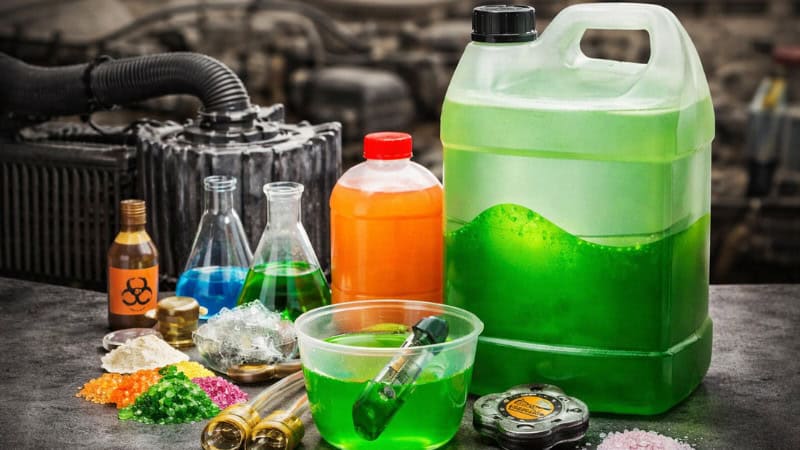
What Antifreeze Is and Why It’s Dangerous
Antifreeze, also known as engine coolant, is a liquid that prevents your engine from overheating in hot weather or freezing in cold weather. Most U.S. vehicles use coolant made with ethylene glycol (a highly toxic chemical compound) or propylene glycol (a similar but less toxic compound), both of which are regulated. The color of coolant only indicates its additive package, not its safety.
The real problem with antifreeze is how it behaves outside the engine. It has a sweet smell and taste that attracts pets and wildlife. Even a few ounces can cause kidney failure and death. When antifreeze hits the ground, it doesn’t just disappear—it soaks into soil and can contaminate groundwater and storm drains. That’s why U.S. environmental laws treat used antifreeze as hazardous waste, not ordinary automotive fluid.
Is It Illegal to Dump Antifreeze in the U.S.?
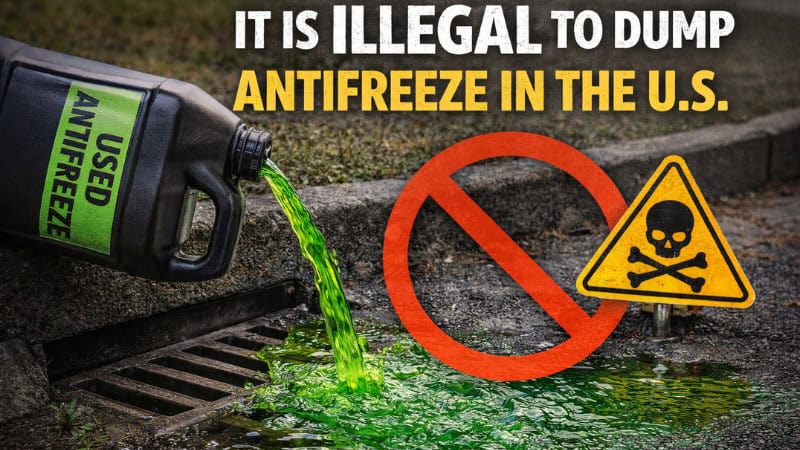
Yes—dumping antifreeze is illegal in the U.S. and taken more seriously than many DIYers realize. Under federal EPA guidelines, used antifreeze is regulated waste. Most states also prohibit dumping coolant into soil, storm drains, septic systems, or household plumbing.
A common myth is that “diluting it with water” makes disposal legal. That’s false. Once antifreeze leaves the cooling system, it’s waste, no matter the dilution. Fines range from local citations to serious penalties if dumping causes harm. The rule: if it came from an engine, it doesn’t go down a drain. Legal disposal protects you and the environment.
How to Dispose of Antifreeze the Right Way
Proper antifreeze disposal isn’t complicated, but it does require the right steps. First, drain coolant into a clean pan. Mixing coolant with other fluids, such as motor oil, brake fluid, or fuel (all different types of automotive maintenance liquids), often makes it unrecyclable and more expensive to dispose of. Transfer used coolant into a sealed, clearly labeled container.
Once stored, find an approved drop-off site. Many auto parts stores accept used antifreeze, though policies vary. Local recycling centers and city hazardous waste facilities are reliable. When transporting, keep containers upright and secure. Treat it like gasoline—no spills or shortcuts.
Can Antifreeze Be Recycled?
Yes, antifreeze can absolutely be recycled, and in many cases, that’s the preferred option in the U.S. Recycling works by cleaning and reconditioning used coolant so it can be reused instead of thrown away. Professional repair shops often have on-site antifreeze recycling machines that remove contaminants and restore the coolant’s performance. For DIYers, recycling usually means taking used antifreeze to an approved recycling center or auto parts store that accepts it.
Not all antifreeze is recyclable. If it’s heavily contaminated with oil, fuel, or other chemicals, it must be treated as hazardous waste. That’s why it’s important to keep coolant separate when draining. For mechanics, recycling antifreeze saves money, reduces environmental impact, and ensures regulatory compliance.

How Mechanics and Auto Shops Handle Antifreeze Disposal
In a professional U.S. auto shop, antifreeze disposal is required for daily operations and regulatory compliance. Most shops use on-site recycling systems or store used coolant in dedicated tanks. These systems clean antifreeze for reuse in customer vehicles, saving money and reducing waste. Shops that do not recycle on-site contract with licensed waste haulers to process used antifreeze in accordance with state and federal rules.
You’ll never see a legitimate shop dump coolant outdoors or wash it down a drain. That quickly results in lost licenses and hefty fines. For mechanics, proper antifreeze disposal protects the shop, staff, and community. It’s managed like used oil—controlled, documented, and handled only by approved methods.
What NOT to Do With Old Antifreeze
Most antifreeze disposal problems come from shortcuts. One of the worst is pouring it down drains—sink, toilet, or floor. Those usually lead to waterways unfit for toxic chemicals. Dumping on the ground or in storm drains is equally harmful and illegal, even on private property.
Mixing antifreeze with motor oil or other fluids complicates or blocks recycling and increases disposal costs. Leaving open containers is also dangerous if pets are around. The rule: if you wouldn’t discard gasoline that way, don’t do it with antifreeze. Careless handling is avoidable.
How to Clean Up an Antifreeze Spill
Antifreeze spills must be handled immediately, whether at home or in a shop. First, keep pets and people away—even small puddles are hazardous. Absorb the spill with shop absorbent (a granular material designed for cleaning up automotive fluids), kitty litter, sand, or spill pads. Let it soak up instead of washing away, which spreads contamination.
After absorption, sweep up the material and seal it in a bag or container. In many places, antifreeze-soaked absorbent is hazardous waste. Clean the spot with mild soap and water, avoiding runoff. Fast cleanup prevents poisoning, environmental harm, and legal issues.

FAQ
FAQ 1: Can I Pour Antifreeze Down the Sink or Toilet?
No, you should never pour antifreeze down a sink, toilet, or floor drain. In most U.S. homes, those drains lead to sewer systems or septic tanks that are not designed to handle toxic automotive chemicals. Antifreeze can pass through treatment plants and contaminate rivers or groundwater. From a mechanic’s standpoint, once coolant comes out of an engine, it’s considered waste. The only legal options are recycling or disposal at an approved hazardous waste facility.
FAQ 2: Is Antifreeze Considered Hazardous Waste?
Yes, used antifreeze is considered hazardous or regulated waste in most U.S. states, especially when disposed of. Ethylene glycol–based coolants are highly toxic to humans and animals, which is why environmental agencies take them seriously. Even propylene glycol antifreeze, often labeled “less toxic,” still falls under disposal regulations. Mechanics treat used antifreeze the same way they treat used oil—controlled handling, proper storage, and approved disposal only. It’s not household trash.
FAQ 3: Can Old Antifreeze Be Reused?
Old antifreeze can sometimes be reused, but only under the right conditions. If the coolant is clean, uncontaminated, and properly tested or recycled, it may be safe to return to an engine. Many professional shops recycle antifreeze using machines that restore its chemical balance. However, if the coolant is rusty, oily, sludgy, or mixed with other fluids, reusing it is a bad idea. From a mechanic’s perspective, questionable coolant can cause overheating and corrosion.
FAQ 4: How Long Can I Store Used Antifreeze Before Disposing of It?
Used antifreeze can be stored safely for months if it’s kept in a sealed, clearly labeled container. Store it in a cool, dry place away from pets, children, and food. In the U.S., there’s usually no time limit for temporary storage at home, as long as it’s not leaking or exposed. Many DIYers store coolant until a local hazardous waste collection event. Just remember—storage is temporary. Disposal or recycling still has to happen.
FAQ 5: What If My Local Auto Parts Store Won’t Take Antifreeze?
If an auto parts store won’t accept used antifreeze, that doesn’t mean you’re out of options. Store policies vary by location and state regulations. Your next step should be to contact your city or county recycling center or to look up household hazardous waste programs. Most U.S. municipalities offer drop-off sites or scheduled collection days. From a mechanic’s perspective, refusal doesn’t change the rules—dumping is still illegal. You just need to find the right approved outlet.
FAQ 6: Can I Mix Antifreeze With Used Motor Oil for Disposal?
No, you should never mix antifreeze with used motor oil. Doing so can make both fluids unrecyclable and significantly increase disposal costs. Many recycling centers and waste handlers will reject mixed fluids entirely. In professional shops, antifreeze and oil are always collected separately for this reason. Mixing them also creates environmental risks if a container leaks. From a mechanic’s standpoint, keeping fluids separated isn’t just cleaner—it’s smarter, cheaper, and legally safer.
FAQ 7: Is Diluting Antifreeze With Water Legal Before Disposal?
Diluting antifreeze with water does not make it legal to dump. This is one of the most common myths in home garages. In the U.S., once antifreeze leaves the cooling system, it’s regulated regardless of concentration. Watered-down coolant can still poison animals and contaminate water supplies. Mechanics know this rule well—dilution changes nothing legally. Whether it’s straight antifreeze or 90% water, it must still be recycled or disposed of at an approved facility.
FAQ 8: What Should I Do If Antifreeze Gets Into a Storm Drain?
If antifreeze enters a storm drain, it’s a serious issue. Storm drains usually lead directly to rivers, lakes, or wetlands without treatment. The safest move is to immediately contact your local environmental or public works department and report the spill. Trying to ignore it or wash it further can make things worse. From a mechanic’s viewpoint, early reporting often prevents bigger environmental damage and legal trouble. Accidents happen—cover-ups cause real problems.
Quick Disposal Checklist
When you’re dealing with used antifreeze, having a simple mental checklist keeps you out of trouble. Start by draining the coolant into a clean pan to keep it uncontaminated. Transfer it immediately into a sealed, clearly labeled container—never leave it sitting open in the garage. Keep antifreeze separate from oil, brake fluid, and fuel at all times. Store the container in a safe place until you can take it to an approved recycling center, auto parts store, or household hazardous waste facility. During transport, secure the container upright to prevent spills. If a spill occurs, clean it up right away with absorbent material. From a U.S. mechanic’s perspective, this checklist is just part of doing the job right.
Final Thoughts
Proper antifreeze disposal isn’t just about following rules—it’s about responsibility. Whether you’re a weekend DIYer or a full-time mechanic, how you handle coolant after a job says a lot about how seriously you take your work. In the U.S., antifreeze is regulated for a reason. It can kill pets, contaminate water, and create legal problems fast if handled carelessly. The good news is that safe disposal is simple when you slow down and do it correctly. Drain it clean, store it safely, and take it to an approved recycling or hazardous waste facility. That’s standard practice in every professional shop for a reason. Doing it right protects your garage, your community, and your reputation as someone who knows their way around vehicles.
