
Old gasoline isn’t just useless—it’s a real headache. As a mechanic, I see engines ruined yearly by people using or dumping bad gas. Gasoline starts breaking down in 3–6 months, especially in cans, lawn mowers, or seasonal vehicles. Bad gas loses its kick and becomes sticky gunk that clogs and damages engines.
Improper gas disposal is illegal in the U.S. Pouring it on the ground, in a drain, or in the trash pollutes and risks fines. This guide shows how to dispose of old gas safely and legally, just like the pros.
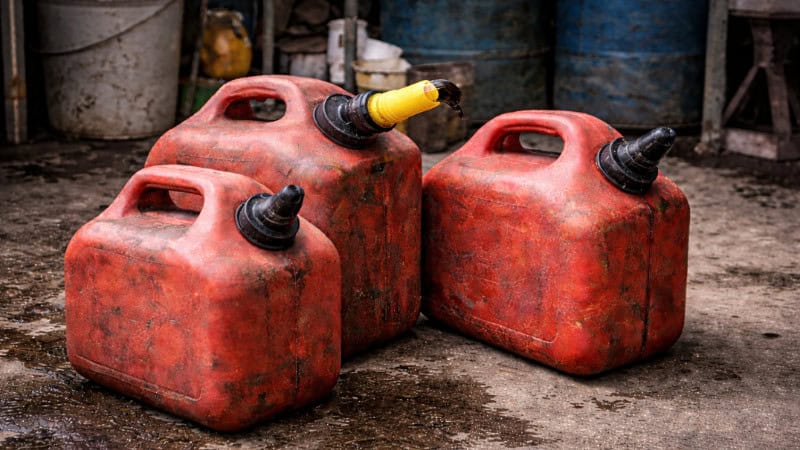
How to Tell If Gasoline Is Old or Bad
You don’t need fancy tools to spot bad gas. At the shop, we rely on smell, color, and engine behavior. Fresh gas smells sharp and clean; old gas smells sour, or like paint thinner. Bad gas is darker, yellow, or brown instead of clear or amber. Cloudiness or debris means it’s gone bad.
Gas over six months old—without a stabilizer—is probably bad. Using it can clog injectors, wreck pumps, and lead to costly repairs.
Is It Illegal to Dump Gasoline?
Dumping gasoline is illegal everywhere in the U.S., and the fines are steep. The EPA classifies gasoline as household hazardous waste due to its toxicity, flammability, and environmental harm. Pouring it on the ground, down a drain, in the trash, or into septic systems is dumping. I’ve seen homeowners fined thousands when neighbors noticed fuel odors or soil contamination.
Gasoline doesn’t just “go away.” It soaks into the ground, contaminates water, and releases toxic fumes. As a mechanic, the rule is simple: burn it in an engine or bring it to licensed waste centers—nowhere else.
Safety Precautions Before Handling Old Gasoline
Before handling old gasoline, put safety first. Gas fumes are heavier than air and can ignite quickly. Always work in a well-ventilated space—never in a closed garage or basement. Open doors and windows, and use fans if possible. Treat old gas as live fuel: no sparks, no smoking, no shortcuts.
Wear fuel-resistant gloves and safety glasses (protective eyewear). Gasoline can irritate your skin and make you dizzy. Always use approved, labeled containers designed for gasoline storage—not buckets or bottles. Keep containers sealed and away from heat or sun.
Best Ways to Dispose of Old Gasoline in the U.S.
The safest, most professional way is to use a Household Hazardous Waste (HHW) facility. These centers handle fuel legally and safely, and most U.S. counties offer them to residents at no cost. This is always my top recommendation. Bring the gas in an approved container, and they do the rest—no risk or worry.
Some auto repair shops or recycling centers also take old gasoline if they already handle waste fuel. Always call before bringing gas. Many cities host hazardous waste collection days—great for clearing out old fuel.
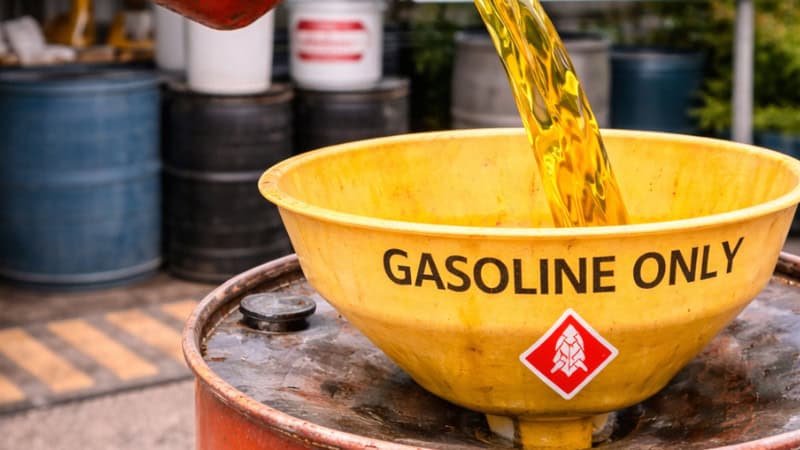
Can You Reuse or Dilute Old Gasoline?
In some cases, you can reuse small amounts of old gasoline—but experience is key. Only slightly stale, clear gas (not sour-smelling or dirty) is even worth considering. If it’s less than six months old and still looks good, you can sometimes dilute it with fresh gas. The safe bet is one part old gas to four or five parts fresh.
Only use this diluted gas in older vehicles or simple equipment. Never put old gas in modern cars with direct injection, turbos, or sensitive emissions systems. Small engines like lawn mowers might handle it, but it’s still a gamble. If you’re not sure, it’s always cheaper to dispose of it than to pay for repairs.
How to Dispose of Gasoline Mixed With Oil or Water
Gasoline mixed with oil or water isn’t fuel anymore—it’s hazardous waste. This happens a lot with two-stroke gas, flooded engines, or cans left open in humidity. Once gas is contaminated, you can’t safely reuse or separate it at home. Never try to filter or burn it—it’s not worth the risk.
This kind of mixture must be taken to a Household Hazardous Waste facility or a recycling center that accepts mixed fuels. Label the container so workers know what’s inside. Never dump it, burn it, or mix it with other chemicals. Contaminated fuel can damage disposal equipment and is a serious fire risk. When in doubt, treat it like toxic waste.
What NOT to Do With Old Gasoline
There are a lot of bad ideas about old gasoline, and I’ve seen the damage they cause. Never pour gasoline on the ground to “evaporate”—it’s illegal and pollutes soil and water. Burning old gas in a fire pit or barrel is extremely dangerous and can cause flash fires or explosions. I’ve seen people get badly hurt trying that shortcut.
Don’t use old gasoline as a weed killer, parts cleaner, or degreaser. Gas fumes are toxic, and using them this way is unsafe—and illegal in many states. Never pour gas into drains, septic systems, or trash cans. These actions create fire hazards for workers and can result in fines. If a method sounds too easy, it’s probably wrong.
How to Prevent Gasoline From Going Bad
The best way to deal with old gasoline is to avoid having it in the first place. In the shop, we always plan fuel storage carefully. Gas starts to go bad as soon as it’s exposed to air, so only buy what you’ll use in a few months. For stored fuel, use EPA-approved gas cans with tight seals to reduce evaporation and moisture.
Fuel stabilizers are your best bet if the gas will sit for more than 30 days. Add stabilizer when the gas is fresh—not after it’s old. With a stabilizer and good storage, gas can last up to a year. Keep containers in a cool, dry spot, away from sunlight and heat. Label cans with dates—it’s a simple habit that can save your engines and prevent problems later.
FAQ
FAQ 1: How long can gasoline sit before it goes bad?
In real-world conditions, gasoline usually lasts 3 to 6 months without a fuel stabilizer. Heat, air exposure, and ethanol content speed up breakdown. Gas stored in a vehicle degrades faster than gas in a sealed can. With a quality stabilizer added while the fuel is fresh, gasoline can last up to 12 months. After that point, even stabilized fuel becomes risky and should be disposed of properly.
FAQ 2: Can I pour old gasoline on the ground to evaporate?
No. Pouring gasoline on the ground is illegal in every U.S. state. Gasoline doesn’t “safely evaporate”—it soaks into soil, contaminates groundwater, and releases toxic vapors. This can trigger environmental fines and fire hazards. From a mechanic’s standpoint, this is one of the worst disposal myths out there. If it’s not going into an engine or a hazardous waste facility, it doesn’t belong anywhere else.
FAQ 3: Is it safe to pour gasoline down a drain or into a sewer?
Absolutely not. Gasoline in drains can cause explosions, damage sewer systems, and put sanitation workers at serious risk. Even small amounts can ignite inside pipes. Many municipalities treat this as a criminal offense, not just a violation. As mechanics, we follow one rule: fuel and plumbing never mix. Always take old gasoline to a Household Hazardous Waste facility instead of risking lives and fines.
FAQ 4: Does premium gasoline last longer than regular gas?
No, premium gasoline does not last longer. Octane rating affects engine performance, not fuel stability. Premium and regular gas degrade at roughly the same rate. Both are affected by oxygen exposure, ethanol content, and storage conditions. I’ve seen plenty of engines damaged by old premium gas. Paying more at the pump doesn’t protect you from stale fuel—only proper storage and the use of stabilizer do.
FAQ 5: Can old gasoline damage my car or small engine?
Yes, and it happens more often than people think. Old gasoline loses volatility and forms varnish that clogs injectors, carburetors, and fuel pumps. Modern vehicles are especially sensitive due to tight tolerances and emissions systems. Small engines may start at first but suffer long-term damage. From experience, fuel-related repairs cost far more than proper gasoline disposal. If the gas is questionable, don’t use it.
FAQ 6: Can I mix old gasoline with fresh gas to use it up?
Sometimes—but only under strict conditions. The gasoline must be only slightly stale, clean, and free of water or debris. A safe dilution is 1 part old gas to 4 or 5 parts fresh gas. This should only be used in older vehicles or simple equipment. Never dilute gas for modern cars or high-performance engines. When in doubt, disposal is safer than gambling on engine damage.
FAQ 7: What should I do with gasoline mixed with oil or water?
Gasoline mixed with oil or water is considered contaminated fuel and cannot be reused. This includes two-stroke fuel and gas exposed to rain or condensation. Do not try to separate it or burn it. The only proper option is disposal at a Household Hazardous Waste facility. Label the container clearly. In my shop, contaminated fuel always goes straight to licensed disposal—no exceptions.
FAQ 8: Where can I legally dispose of old gasoline near me?
Most U.S. counties operate Household Hazardous Waste facilities that accept old gasoline, often for free. Some cities also hold seasonal hazardous waste collection events. Certain auto shops or recycling centers may accept fuel, but always call first. Never assume. The safest approach is to check your local county or city website for hazardous waste programs. That’s how professionals handle it—legally and safely.
Conclusion
When it comes to old gasoline, shortcuts almost always cause bigger problems. After years in the shop, my advice is simple: getting rid of bad gas the right way is cheaper, safer, and much smarter than risking engine damage or trouble with the law. Gasoline is hazardous waste, and in the U.S., there are clear rules for handling it. Household Hazardous Waste centers exist for a reason—use them. If fuel smells sour, looks dark, or has been sitting too long, don’t get creative—just dispose of it properly. Prevention matters too: buy only what you need, store it right, and use a stabilizer if it’s going to sit. Treat gas with respect, and you’ll avoid headaches later on.
