
Car’s evaporative emission system (EVAP) works silently to prevent harmful fuel vapors from escaping into the atmosphere. When issues arise, your car’s performance, finances, the environment, and legal status can all be affected.
The EVAP system prevents fuel vapors from entering the atmosphere. A leak may trigger the check engine light, cause a gasoline smell, or increase fuel use. Fixing an EVAP leak promptly helps prevent more serious engine or emissions problems.
Mechanics often find EVAP leaks caused by simple issues, such as a loose gas cap or a cracked hose. Fixing them early saves money, helps you pass emissions tests, and keeps your car running smoothly.
Understanding the EVAP system
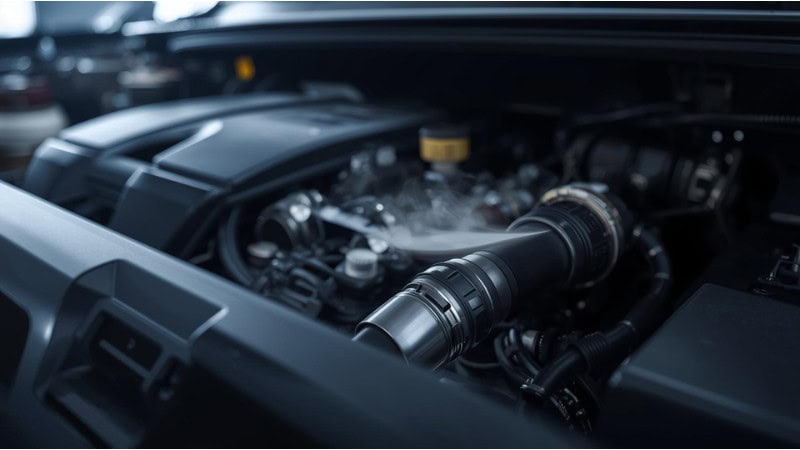
The EVAP system is a set of parts in modern cars that captures gasoline vapors and returns them to the engine for combustion, protecting the environment and saving fuel.
The EVAP system’s main job is to keep the air cleaner by trapping gasoline vapors and returning them to the engine rather than releasing them into the atmosphere. This is crucial for reducing air pollution and meeting strict emissions standards set by environmental agencies worldwide.
Beyond regulations, the EVAP system protects your fuel, improves efficiency, and keeps emissions legal. As technology has advanced, EVAP systems have become more complex, with multiple sensitive components working together.
Key components include:
Let’s take a closer look at each part of the EVAP system and why it matters:
Fuel tank – More than a container, it is designed to limit vapor escape. Older tanks vented to the air, but modern tanks are sealed and connected to the EVAP system to prevent pollution and fuel loss.
- Charcoal canister – This box of activated charcoal stores fuel vapors. Over time, charcoal breaks down or gets saturated, especially if you often “top off” the tank. A failed canister can trigger warning lights and fuel odors.
- Purge valve – The purge valve controls when trapped vapors go to the engine. If open, your car may have trouble starting. If closed, pressure builds, leading to leaks.
- Hoses and connectors – These flexible tubes connect everything together. They’re exposed to heat, vibration, and road debris, making them a common source of leaks. Mechanics often find that a simple cracked hose is the cause of stubborn check engine lights.
When your EVAP system works well, you’re likely to pass emissions tests, save fuel, and keep your engine running smoothly.
Common Causes of an Evaporative Emission System Leak
EVAP leaks are common and usually caused by small issues, not major engine failures. National surveys show that nearly one in five failed emissions tests is due to minor EVAP leaks. Main causes include:
- Damaged or cracked hoses – Over time, heat and vibrations can cause EVAP hoses to crack or become disconnected, allowing fuel vapors to escape.
- Faulty gas cap – A loose, damaged, or missing gas cap is one of the most frequent reasons for an EVAP leak. Even a small gap can trigger the check engine light.
- Defective purge or vent valve – These valves control vapor flow. If they get stuck open or closed, it can cause leaks or improper system operation.
- Charcoal canister failure – The canister absorbs fuel vapors. If it cracks or clogs, it won’t properly contain the vapors.
- Wear and tear – Normal aging of the system’s components can eventually lead to leaks, especially in vehicles over 10 years old.
Identify the cause before fixing a leak, since each part needs a different solution.
Symptoms of an EVAP Leak
The most common EVAP leak sign is the check engine light, often accompanied by codes like P0440 or P0455. You may also smell gasoline near the tank or inside the car. The engine might idle roughly or stall, but this is rare.
Consider the case of Lisa, who began noticing her car taking longer to start in the mornings and a faint fuel smell in her garage. After a quick diagnostic, her mechanic found a cracked hose and a loose gas cap—the most common combination for EVAP leaks, and a fix that took less than an hour.
For city drivers in garages, a gasoline odor can signal an EVAP leak. Left unchecked, fumes can seep into the cabin, making a safety hazard and nuisance.
You may get worse gas mileage and fail emissions tests. Some report a 5–10% drop in fuel efficiency from vapor loss. A small leak may seem minor, but ignoring it can cause failed inspections or engine problems. In strict states, a failed test blocks registration until it is fixed.
How Mechanics Diagnose an EVAP Leak
Mechanics use a few reliable methods to find an EVAP leak. First, they’ll connect an OBD-II scanner (a tool that reads your car’s diagnostic codes from its onboard computer) to your car’s computer to check for trouble codes like P0440, P0442, or P0455. These codes help point to a possible leak.
If you visit a professional repair shop, you might see the technician walk through a checklist: reading codes, inspecting the gas cap, and then moving on to more advanced diagnostics. For persistent leaks, they’ll often explain the process and show you exactly where the system is failing—sometimes even letting you watch the smoke test in action.
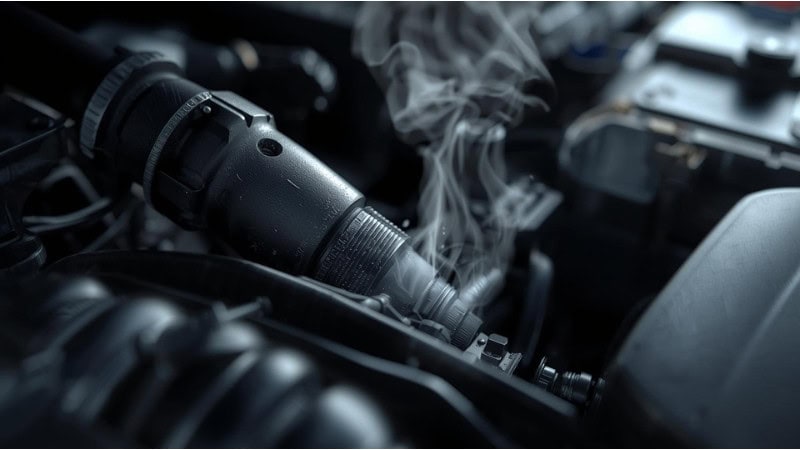
Next, they often do a smoke test by pumping smoke into the EVAP system. During a smoke test, harmless smoke is introduced into the system, and if there’s a leak, you’ll see smoke escaping from hoses, the charcoal canister (a part that stores fuel vapors), or other parts.
This step is both high-tech and visual—many drivers are surprised to see wisps of smoke coming out from under the car, clearly marking the source of the leak. It’s an effective way to pinpoint even the smallest cracks in hoses or connectors that might otherwise go unnoticed.
They might also run a pressure test, slightly pressurizing the system to spot drops that reveal tiny leaks. Mechanics use a gauge or electronic sensor for this. Finally, they check hoses, valves, and the cap to confirm the leak’s source.
Some shops use computer-controlled diagnostics for detailed printouts. This builds trust and helps drivers feel confident that repairs are necessary.
These tests help mechanics find the real problem and avoid unnecessary repairs.
DIY Checks for an EVAP Leak
You can try simple checks at home. Inspect your gas cap for tightness and damage—a bad cap is often the easiest fix.
DIY fans only need basic tools and patience for an initial inspection. Check your gas cap each time you fill up, especially if the check engine light appears after refueling.
Check for loose or damaged hoses by the tank and canister. Listen for hissing near the fuel system when off, which can mean a leak.
If you’re comfortable, gently tug each hose—replace any that are loose or brittle. Use gloves, work in a well-ventilated area, and avoid open flames or sparks.
Tiny or hidden leaks often need a mechanic, so don’t worry if you can’t find the issue.
How to Fix an Evaporative Emission System Leak
Fixing an EVAP leak depends on the cause. Replacing or tightening a gas cap often works. Replace cracked or broken hoses as needed.
Step-by-step, here’s how a typical repair might go:
- Identify the source of the leak (often the gas cap or a hose).
- If it’s the gas cap, remove and replace it with a new one—make sure it clicks tightly.
- For a hose, remove the clamps, pull off the old hose, cut a new one to length, and secure it with new clamps.
- Double-check all connections before starting the engine.
If you’re unsure or if the leak persists, call a trusted mechanic. Sometimes what looks like a minor issue can be a symptom of a larger problem deeper in the system.
If the purge or vent valve is faulty, replace it. If the charcoal canister is cracked or clogged, replace it—though it costs more, it’s key for emission control.
After repairs, mechanics reset the check engine light and retest the system. For hard-to-reach or persistent leaks, it’s best to consult a professional.
Preventing Future EVAP Leaks
Prevent EVAP leaks with good habits and basic maintenance. Always tighten your gas cap and replace it if worn. Don’t overfill your tank—extra fuel can harm the canister.
Seasonal changes, such as extreme heat or cold, can cause hoses to shrink or crack more quickly. Check your EVAP system at the start of summer and winter, especially if you live in areas with major temperature swings. Regularly scheduled car maintenance—like oil changes—is a great time to ask your mechanic for a quick look at the EVAP system.
Check hoses, valves, and the canister regularly to catch small issues early. Use quality replacement parts for longer-lasting repairs.
It’s also wise to avoid aftermarket parts of unknown quality. Investing in OEM (original equipment manufacturer) components can pay off by preventing future leaks and repeated repairs. Many seasoned mechanics report that most repeat EVAP problems are caused by cheap replacement parts.
These habits help keep your EVAP system leak-free and prevent costly repairs or failed emissions tests.
EVAP System Leak Costs
The cost of fixing an EVAP leak depends on the severity of the problem. Here’s a breakdown of typical costs:
– Gas cap replacement: $20–$50
– Hose repairs or replacements: $50–$200 (location and length matter)
– Charcoal canister replacement: $200–$600, plus labor
– Purge or vent valve replacement: $100–$250, including labor
Keep in mind that labor rates can vary by region—urban areas often have higher rates. Some insurance policies may cover emissions-related repairs if you have an extended warranty or mechanical breakdown insurance.
A new charcoal canister costs $200–$600, plus labor. Purge or vent valves range from $100 to $250, including labor.
If you’re facing a major repair, ask the shop for a written estimate and compare prices. Sometimes, local independent mechanics offer better rates than dealerships for the same quality of work.
Labor costs vary, but fixing leaks early saves money and ensures you pass emissions tests without trouble.
In states with emissions inspections, failing due to an EVAP leak can mean extra fees, time off work, and even fines if you let your registration lapse. The sooner you address the problem, the less likely you are to face these headaches.
Environmental Impact and Legal Consequences
Fixing EVAP leaks isn’t just about your car’s performance or saving money—it’s about protecting the environment. Fuel vapors contain hydrocarbons that contribute to smog and ground-level ozone. The Environmental Protection Agency (EPA) and similar organizations worldwide have strict regulations to limit these emissions, which is why modern vehicles have advanced EVAP systems.
Ignoring a leak can lead to failed emissions tests, registration issues, or fines in many states. In some severe cases, chronic leaks can even harm your health, especially if you’re frequently exposed to gasoline vapors in enclosed spaces.
FAQs About EVAP Leaks
Q1: Is it safe to drive with an EVAP leak?
Yes, you can usually drive with an EVAP leak, but don’t ignore it for long. Most of the time, an EVAP leak won’t make your car stall or break down right away, so people sometimes wait weeks before fixing it. The main concern is that your check engine light will stay on, potentially masking other engine problems.
Watch out for emissions tests. If your state requires smog checks, an EVAP leak almost always means you’ll fail and can’t renew your registration until it’s fixed. Sometimes you’ll notice a strong gas smell, especially in garages or closed spaces—which isn’t just annoying, it’s unsafe.
Driving with an EVAP leak for a short time usually won’t hurt your engine, but get it checked and fixed as soon as possible. You’ll avoid bigger problems, save money, and keep your car legal.
Q2: How long can I drive with an EVAP leak?
Technically, you can drive for months—maybe longer—if the EVAP leak is small, like a loose gas cap or tiny crack in a hose. But just because your car runs doesn’t mean you should ignore it. Small leaks tend to get worse as hoses wear or seals dry out.
As leaks grow, you might smell more fuel, see the check engine light more often, or get extra warning codes. A cheap fix can become expensive if parts like the charcoal canister or valves get damaged. Rarely is too much vapor a safety risk.
If you smell strong gas, see smoke during a test, or your warning lights recur, get your car checked immediately. Early repairs almost always save money.
Q3: Does an EVAP leak hurt my gas mileage?
An EVAP leak can reduce your gas mileage, though you’re unlikely to notice a sudden drop. The EVAP system captures fuel vapors for return to the engine, so a leak means more vapors—and gas—are lost.
You might not see miles per gallon drop right away, but it adds up—especially if the leak is big or you delay fixing it. Sometimes, EVAP problems cause the engine computer to adjust how it uses fuel, making things less efficient.
Besides wasting fuel, EVAP leaks affect compliance with emissions regulations and reliability. Exhaust vapors contribute to pollution and usually cause you to fail emissions tests. Fixing an EVAP leak keeps things working, saves gas, and helps your engine last longer.
Q4: How can I tell if my gas cap is causing the leak?
A bad gas cap is a common cause of an EVAP leak—and it’s easy to check. Remove the cap and look for cracks, worn threads, or a dried-out seal. If it won’t tighten or doesn’t click, it might not seal right.
A faulty gas cap lets vapors escape and quickly triggers your check engine light. Replacing it usually fixes the problem. After installing a new cap, your car’s computer may need a few drives to retest the system and turn off the light.
If your check engine light goes off after a few days, the gas cap was likely the problem. If not, check hoses or valves next.
Q5: Can I fix an EVAP leak on my own?
You can fix some EVAP leaks yourself, but others require a pro. Simple repairs like tightening or replacing a gas cap, reconnecting a hose, or swapping a cracked line can be done with basic tools and often solve the problem cheaply.
If you’re dealing with hidden hoses, the charcoal canister, or valves, you’ll need special equipment—like a smoke machine—to find the leak. Without the right tools, it’s easy to guess wrong and waste money on unneeded parts.
Trying to fix advanced EVAP problems without experience can cause more damage. If you can’t find the problem or it returns, let a mechanic handle it and save time and hassle.
Conclusion
An EVAP leak may seem minor, but it can cause check engine lights, wasted fuel, failed emissions, and engine problems if ignored. Fixing leaks early saves time and money.
Regular checkups, basic maintenance, and the use of good parts help prevent future EVAP leaks. Caring for your EVAP system helps your car run well and protects the environment.
By understanding the causes, signs, and solutions for EVAP leaks, you’ll keep your car in great shape and avoid surprise repair bills.
