
Getting spark plug wires in the correct order is a simple task that makes a big difference in engine performance. These wires aren’t just random cables—they deliver high-voltage spark to each cylinder at the right moment. Mix up the firing order even slightly, and the engine loses rhythm. You’ll notice shaking, popping, or sometimes no start at all. The good news? Fixing it is simple once you know the firing order, cylinder numbers, and correct routing. This guide walks you through the process clearly and practically, whether tuning up or fixing a misfire.
What Does Spark Plug Wire Order Mean?
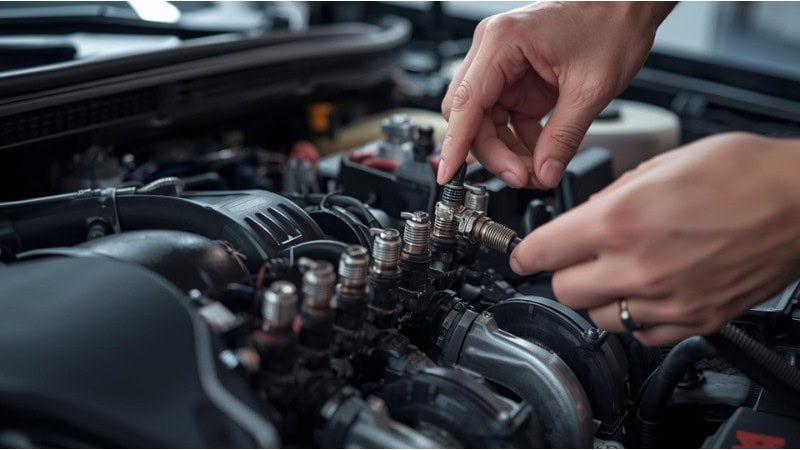
When mechanics talk about “spark plug wire order,” they mean more than just tidy wires under the hood. Every engine has a firing order—a specific sequence for cylinder firing that the wires must match exactly. It’s like timing fireworks—if the sequence is off, it’s chaos. Each wire connects a cylinder to the correct terminal on the distributor or coil pack. A single misplaced wire can cause the cylinder to fire at the wrong time, leading to a rough idle, pops, hesitation, or an engine that won’t start. The correct wire order keeps your engine running smoothly and strongly.
Symptoms of Spark Plug Wires in the Wrong Order
If spark plug wires are out of order, your engine will let you know right away, often with a rough idle that feels like the engine is tripping over itself. This happens because the cylinders fire at the wrong time, resulting in uneven engine operation. Common symptoms include loud pops from the intake or exhaust, weak or jerky acceleration, or hesitation when accelerating. Sometimes, the car won’t start at all. Modern vehicles may trigger a Check Engine Light and display misfire codes. If any of these symptoms appear after a tune-up or wire swap, it is likely that the wires are mixed up.

Tools You Need Before Starting
Before starting, gather essentials: a flashlight to see hidden labels, dielectric grease for easy installation, an accurate firing-order diagram or manual, and tools for labeling. Gloves and basic tools make the job cleaner and safer. Preparation keeps routing organized and frustration to a minimum.
How to Put Spark Plug Wires in the Correct Order
Getting spark plug wires in order requires matching each cylinder to the right distributor or coil terminal according to the firing order. Work in good light. Before starting, take a picture for reference. Always reroute wires one at a time to avoid confusion. Ensure each connection clicks securely—loose wires can cause the same issues as wrong order.
Step 1: Find Your Engine’s Firing Order
First, obtain your engine’s exact firing order from a sticker, manual, or reliable source. Don’t guess—verify to avoid misfires later. Write down the sequence or save it on your phone for quick reference as you work.
Step 2: Locate Cylinder Numbers
Next, confirm your engine’s cylinder numbering pattern. Inline engines usually count front to back; V engines’ systems vary by maker. Your manual or an under-hood diagram will show the correct order. Correct cylinder identification prevents crossed wires.
Step 3: Identify Distributor or Coil Pack Positions
Once you know the firing order and the cylinders, identify each wire’s distributor or coil-pack position. On a distributor, locate terminal #1 and follow the firing order. On coil packs, use labeled towers or check your manual. Correct placement prevents firing sequence errors and misfires.
Step 4: Remove and Replace Wires One at a Time
This is the heart of the job, and here’s the golden rule: never pull off all the spark plug wires at once. That’s a recipe for confusion. Instead, work one wire at a time. Twist the boot gently to break it loose, then pull it straight off—not by the wire. Match it to the proper terminal using your firing order and cylinder layout. Push the new wire on until you feel it click at both ends. Move to the next wire. This step-by-step approach keeps the job organized and reduces mistakes.
Step 5: Route Wires Away From Heat and Moving Parts
After connecting, route wires safely away from heat and moving parts. Avoid exhaust manifolds, pulleys, belts, and fans. Use clips or separators for neatness and spacing. Proper routing prevents damage, arcing, and future problems.
Common Mistakes to Avoid
Even experienced DIYers trip up on spark plug wire routing, and most problems come from a few avoidable mistakes. The biggest one is crossing wires—running them so close together or tangled that they can arc and cause ghost misfires. Another common issue is trusting the wire color instead of the actual firing-order diagram. Manufacturers don’t color-code wires for firing sequence, so always follow the numbers, not the colors. Many people also mix up coil pack or distributor terminal positions, assuming the sequence goes clockwise when it might actually go counterclockwise. Finally, failing to fully seat a wire on the plug or coil results in a loose connection that behaves like a misfire from the wrong order. Double-checking each click and each terminal prevents hours of diagnostic frustration.
How to Verify the Spark Plug Wires Are Correct
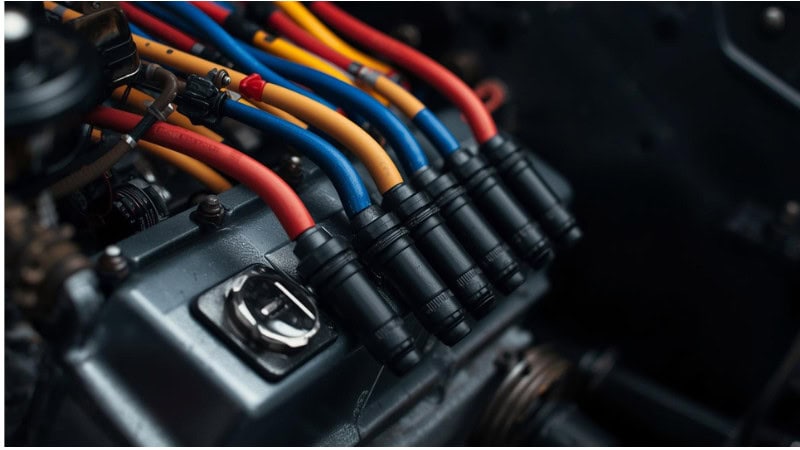
Once everything is routed and seated, it’s time to confirm your work. Start the engine and let it idle. A properly wired ignition system should run smoothly and steadily without shaking or stumbling. Listen closely—misfires usually sound like uneven pops or thumps. If you own a basic OBD-II scanner, check for pending or active misfire codes; a clean scan is a good sign the firing order is correct. During a light test drive, the engine should accelerate without hesitation or surging. If something feels off, shut the engine down and recheck wire seating first—loose boots are more common than wrong order. For perfectionists, a secondary ignition test at a shop can confirm spark strength. But for most home mechanics, sound, feel, and a scan tool tell the whole story.
What Happens If Spark Plug Wires Are Put in the Wrong Order?
When spark plug wires are installed out of order, the engine loses its timing rhythm instantly. Each cylinder fires at the wrong moment, so instead of smooth combustion, you get harsh misfires that shake the whole vehicle. Unburned fuel can crackle or “pop” out of the intake or exhaust, and in severe cases, the engine may not start at all. Driving like this is never a good idea—raw fuel can overheat and damage the catalytic converter, and repeated misfires put extra stress on the crankshaft and bearings. Fuel economy also tanks because the engine burns more gas as it tries to stabilize itself. In short, an incorrect wire order throws the entire ignition sequence out of balance and can lead to expensive repairs if ignored.
When You Should Replace All Spark Plug Wires
Spark plug wires don’t last forever, and routing them correctly won’t help if the wires themselves are worn out. A good rule of thumb is to replace them every 60,000 to 100,000 miles, depending on your vehicle and driving conditions. If you notice cracked insulation, visible burn marks, or spots where the wire feels brittle, it’s time for a new set. High resistance inside the wire can also weaken spark delivery, causing misfires even when everything is hooked up correctly. If you’re doing a tune-up and already have the plugs out, many mechanics recommend replacing the wires at the same time to avoid future issues. Fresh wires ensure a strong, consistent spark, smoother idle, better fuel economy, and fewer misfire headaches over the long haul.
Frequently Asked Questions (Quick Answers)
Q1: Can a wrong spark plug wire order damage my engine?
Yes. Running the engine with the wires in the wrong order causes the cylinders to fire out of sequence, resulting in harsh misfires and unburned fuel. If this continues, the catalytic converter overheats, the engine shakes excessively, and internal components experience extra stress. A short idle test won’t usually cause harm, but driving with the wrong order can quickly turn into a costly repair. Always fix firing order issues immediately.
Q2: Do spark plug wires have to click when installed?
Absolutely. That “click” is your confirmation that the metal terminal inside the boot has locked firmly onto the spark plug or coil. Without that click, the connection might be loose, causing misfires that feel identical to a wrong wire order. Many new wires fit tightly, so you may need to push firmly. If you don’t feel or hear a click, reseat the wire until you’re sure it’s fully engaged.
Q2: Should I replace spark plug wires when changing spark plugs?
It’s not mandatory, but it’s a smart move—especially if the wires are older than 60,000 miles. Spark plug wires wear internally even if they look fine on the outside. Replacing both plugs and wires together gives your ignition system a fresh start and eliminates misfires that often appear right after installing new plugs into aging wires. It’s cheap insurance for long-term engine health.
Q3: How can I tell which cylinder is #1?
Cylinder #1 is usually closest to the front of the engine. On inline engines, it’s almost always the first cylinder from the front. On V6 and V8 engines, each manufacturer has its own layout, and the cylinder numbering is often printed under the hood or in the manual. Getting #1 right is essential because it’s the reference point for the entire firing order. When in doubt, check the OEM diagram.
Q4: Do spark plug wires go bad even if the car runs fine?
Yes. Spark plug wires degrade internally with heat, vibration, and age. Even if the engine seems to run fine, high resistance inside the wire can slowly weaken spark energy and hurt fuel economy. Sometimes misfires only show up under load or in wet weather. If your wires are over a few years old or have more than 60k–100k miles, replacing them can restore lost power and prevent future ignition problems.
Q5: Can I mix old and new spark plug wires?
Technically, you can, but it’s not recommended. Mixing old and new wires creates inconsistent resistance levels across cylinders, which can affect ignition timing and spark performance. If one wire fails due to age or wear, the others are usually not far behind. A full set ensures balanced performance and reduces the risk of random misfires later. It’s better to replace the entire set during a tune-up.
Q6: What happens if a spark plug wire is loose?
A loose wire acts just like the wrong firing order—misfires, rough idle, hesitation, and occasional backfires. The spark has to jump a bigger gap, which weakens ignition and can even burn the terminal over time. If the engine suddenly runs rough after a tune-up, a loose boot is the first thing to check. Reseating each wire until it clicks usually fixes the issue instantly.
Q7: Do spark plug wires need dielectric grease?
It’s not required, but it’s highly recommended. A small dab inside each boot helps prevent moisture intrusion, reduces corrosion, and makes removing the wire much easier next time. It doesn’t improve spark strength, but it does improve reliability and lifespan. Most professional mechanics use it during every plug-and-wire service because the benefits outweigh the few extra seconds it takes to apply.
Final Tips From a U.S. Mechanic
Before wrapping up, here are a few simple tips that every U.S. mechanic follows when dealing with spark plug wires. Always double-check the firing order before you start the engine—one wrong move can create a chain of misfires that’s frustrating to chase down. Stick with OEM-quality wires, because cheap sets often have poor insulation and weak connectors. A tiny dab of dielectric grease on each boot makes future removal easier and protects against moisture. Keeping a printed or saved firing-order diagram in your toolbox is a lifesaver during tune-ups. And finally, take your time. Rushing spark plug wire routing is the fastest way to mix things up. Clean, patient work keeps the ignition system strong, reliable, and ready for thousands of worry-free miles.
