
If your car won’t start, but you know the battery and starter are working, the ignition switch could be at fault. As a mechanic, I often encounter this issue, especially in older or high-mileage vehicles. The ignition switch is a small component that, when it fails, can unexpectedly turn off your entire car. Some drivers get stranded in parking lots, while others may experience sudden engine shutdowns on the road. There are a few temporary methods to start a car with a faulty ignition switch, but these are not permanent repairs. This guide outlines the symptoms, causes, emergency starting methods, and the proper fix for this common problem.
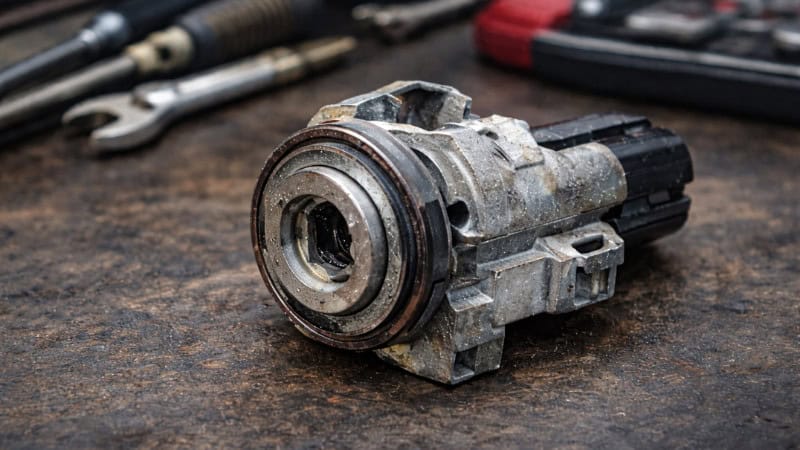
What Is an Ignition Switch and How Does It Work?
The ignition switch is an electrical component that powers your car’s systems when you turn the key or press the start button. It sends electricity from the battery to the starter, the fuel system, the ignition coils, and the dashboard. Over time, contact points inside wear from heat, vibration, and frequent use. Many confuse the ignition switch with the lock cylinder—the cylinder is mechanical, the switch is electrical. When it fails, the switch delivers power inconsistently, so your car may work some days and not others, even if everything else checks out.
Common Symptoms of a Bad Ignition Switch
A bad ignition switch rarely fails instantly. It usually gives warning signs that people overlook until the car won’t start. One sign is an engine that sometimes starts and sometimes doesn’t. Another is dashboard lights that flicker, go out, or stay dark. Some cars stall while driving, cutting the engine and electrical power suddenly. Turning the key may feel normal, but nothing happens. These symptoms can mimic battery or starter failure, so ignition switch issues are often misdiagnosed.
Ignition Switch Symptoms vs Possible Causes
| Symptom | Likely Cause | Can Car Start? | Severity |
|---|---|---|---|
| No crank, no click | Worn ignition switch contacts | Sometimes | High |
| Dash lights flicker | Loose internal switch wiring | Yes (temporarily) | Medium |
| Engine stalls randomly | Electrical interruption | Yes (unsafe) | Critical |
| Key turns freely | Internal switch failure | Rarely | High |
How to Start a Car with a Bad Ignition Switch
Getting a car started with a bad ignition switch is not always possible, but sometimes the internal contacts can make a final connection. These methods work because the worn parts inside the switch may temporarily make contact due to pressure or vibration. As a mechanic, I advise using these methods only to move your car to a safe place or to a repair shop. They are temporary solutions and not safe for regular driving. If the ignition switch fails, none of these methods will work. Frequent attempts may worsen the problem and could leave you stranded. If you do manage to start the car, drive directly to a mechanic and avoid turning off the engine until you arrive.
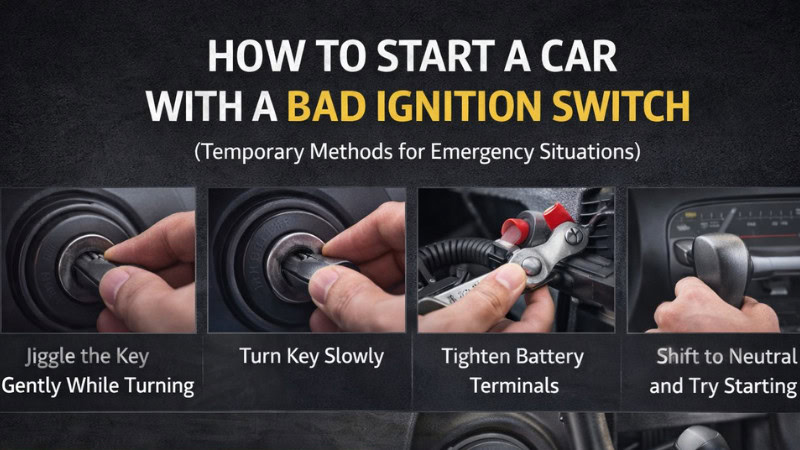
Emergency Starting Methods
- Gently jiggle the key as you turn it.
- Turn the key slowly instead of fast cranking.
- Check and tighten battery terminals.
- Try starting the car in neutral instead of park.
- Apply light pressure to the steering wheel as you turn the key.
Why These Methods Work (Mechanic Explanation)
In a worn ignition switch, the electrical contacts no longer align. Jiggling the key or applying pressure may briefly reconnect them and restore current. Turning the key slowly reduces arcing, helping weak connections engage. Starting in neutral may reduce circuit load in some cars. Steering wheel pressure can relieve binding in the lock cylinder and switch. These tricks exploit tolerances, but the results are temporary. Once the contacts are too worn, movement won’t restore power. That’s why these methods may work one day and fail the next.
How to Properly Fix a Bad Ignition Switch
The only permanent fix for a bad ignition switch is to replace it. This typically requires removing some interior panels, disconnecting the battery, and removing the old switch from the steering column or dashboard. In many cars, the ignition switch is separate from the lock cylinder, which may help control costs. Newer vehicles often include anti-theft systems that make repairs more complex and sometimes require reprogramming. Experienced DIYers can sometimes perform this replacement, but mistakes can damage wiring or cause security issues. As a mechanic, I recommend having a professional handle the replacement to ensure correct alignment and wiring. Once replaced, the starting issues and power losses should be resolved permanently.
Cost to Fix an Ignition Switch
In the US, replacing an ignition switch generally costs between $150 and $350 for most vehicles. The part usually ranges from $30 to $120, depending on whether you choose an original or aftermarket part. Labor typically takes 1 to 2 hours, but it can take longer for luxury or newer vehicles with complex electronics and security systems. While the cost may seem high, it is less expensive than being stranded or facing larger electrical problems. Delaying repair can lead to extra expenses, such as towing or additional damage. From a mechanic’s perspective, addressing ignition switch issues promptly is both safer and more cost-effective.
Can You Drive with a Bad Ignition Switch?
Driving with a bad ignition switch presents significant risks and is not advisable. Even if the car starts, the switch can fail during driving and shut off the engine without warning. This would turn off power steering, reduce brake assist, and affect other safety features. Losing power on the highway or in traffic is highly hazardous. Electrical issues can also harm other components of the vehicle over time. Some drivers continue commuting with ignition issues for weeks, but eventually the car may stop starting entirely. As a mechanic, I strongly recommend prompt repair of ignition-switch issues due to the safety risks involved.
When to See a Mechanic Immediately
If your car stalls while driving, loses all electrical power, or refuses to start despite a good battery, see a mechanic immediately. A burning smell, melted wiring, or a hot steering column indicates severe electrical failure and should not be ignored. Repeated no-start situations can leave you stranded. Ignition switch problems rarely improve and often worsen quickly. Early diagnosis prevents misdiagnosis of the issue as a starter or battery problem, which wastes time and money. A mechanic can test the ignition switch voltage to confirm failure before more damage occurs.
Read more: Power Steering Fluid Color Guide
FAQ
FAQ 1: Can a bad ignition switch drain the battery?
Yes, a bad ignition switch can drain your battery. When the switch fails internally, it may leave electrical circuits partially powered even after the key is removed. This causes slow battery drain overnight or over a few days. Many drivers replace the battery, thinking it’s the problem, only for the new one to die again. If you notice repeated dead batteries along with starting issues, the ignition switch should be tested by a mechanic.
FAQ 2: How do I know if it’s the ignition switch or the starter?
The key difference is electrical behavior. With a bad ignition switch, dashboard lights may flicker or fail to turn on, and the car may start intermittently. A bad starter usually causes a single click or grinding noise when starting. If accessories don’t power up consistently, the ignition switch is more likely the issue. A mechanic can confirm by checking the voltage output from the ignition circuit during startup.
FAQ 3: Will a bad ignition switch cause the car to stall?
Yes, ignition switch failure can cause sudden engine stalling. When the switch loses electrical contact while driving, power to the fuel system and ignition coils is interrupted. This can cause the engine to shut off instantly, even at highway speeds. It’s dangerous because power steering and brake assist may also be reduced. If your car stalls randomly and restarts later, the ignition switch is a strong suspect.
FAQ 4: Can I replace an ignition switch myself?
It depends on your experience and the type of vehicle you drive. On older cars, replacing the ignition switch can be straightforward with basic tools. However, newer vehicles often integrate anti-theft systems and require programming. Incorrect installation can cause no-start conditions or security lockouts. If you’re not comfortable working around steering column wiring, it’s safer to have a professional mechanic handle the repair to avoid costly mistakes.
FAQ 5: How long does an ignition switch usually last?
Most ignition switches last between 100,000 and 150,000 miles, but usage habits matter. Heavy keychains, frequent short trips, and rough roads accelerate wear. Heat and vibration also shorten lifespan. Some switches fail earlier due to poor electrical contact design. Once symptoms appear, failure usually progresses quickly. If your vehicle is high mileage and showing electrical issues, ignition switch wear is very likely.
FAQ 6: Is it safe to keep driving with ignition switch problems?
No, it’s not safe. Even if the car starts, a failing ignition switch can cut power without warning while driving. This increases the risk of accidents, especially in traffic or at high speeds. You may lose steering assist, braking power, and engine control. From a mechanic’s perspective, this is a safety-critical issue. The car should only be driven to a repair shop, not used regularly.
FAQ 7: Does a push-button start car have an ignition switch?
Yes, push-button-start vehicles still have an ignition switch, but it’s electronic rather than mechanical. These systems rely on control modules and relays rather than a physical key. When they fail, symptoms include no response from the start button or intermittent power loss. Diagnosis is more complex and often requires scan tools. Repairs are usually more expensive than traditional key-based ignition switches.
FAQ 8: Can a locksmith fix a bad ignition switch?
A locksmith can repair or replace the ignition lock cylinder, but not the electrical ignition switch itself. If the problem is purely mechanical, such as a stuck or broken key, a locksmith may be able to help. However, electrical issues like no power, stalling, or flickering lights require a mechanic. Many drivers confuse these two parts, which leads to unnecessary repairs and ongoing starting problems.
Final Mechanic Advice
A bad ignition switch might seem like a minor issue, but it can leave you stranded without warning. Emergency tricks can get your car started once or twice, but they aren’t real solutions. If you notice signs like trouble starting, flickering dashboard lights, or random stalling, don’t ignore them. As a mechanic, I can tell you that replacing a faulty ignition switch early saves money, avoids safety risks, and keeps your car reliable. Electrical problems don’t fix themselves—ignition switches only get worse with time. If jiggling the key gets your car going, treat that as a sign to get it fixed, not as a solution. Address the problem now so you can drive with peace of mind.
