
Walk into any U.S. mechanic shop, and you’ll notice the same debate: Milwaukee or Makita? Both brands have strong reputations among professionals—on job sites, in garages, or working on trucks. Milwaukee is known for raw power, innovation, and tools designed for tough jobs. Makita is valued for smooth performance, balanced designs, and reliable tools trusted for years.
So, which brand is actually better? The answer depends on your work style, the kinds of jobs you tackle, and what you need your tools to do when things get tough.
Brand Background
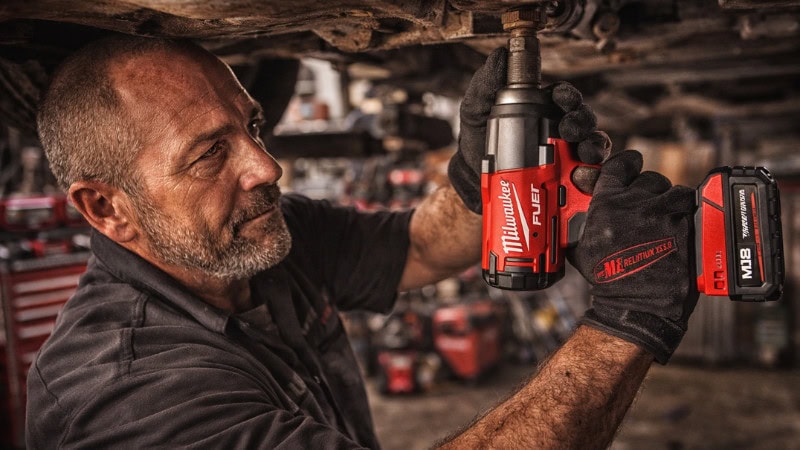
Milwaukee and Makita earned their reputations in real shops, not just through advertising. Milwaukee is a favorite in American trades, especially automotive and industrial repair. Their tools feel tough, sound powerful, and tackle the hardest jobs. That’s why many U.S. mechanics grab the red tools.
Makita’s approach centers on Japanese engineering—efficiency, precision, and long-term consistency. Their tools feel smoother and more refined during long shifts. In shops, this means less fatigue and fewer breakdowns, even after years of use.
Power & Performance
Milwaukee stands out for power. Their high-torque wrenches easily break loose stubborn bolts, axle nuts, and lugs. For those working on trucks or fleet vehicles, that strength matters.
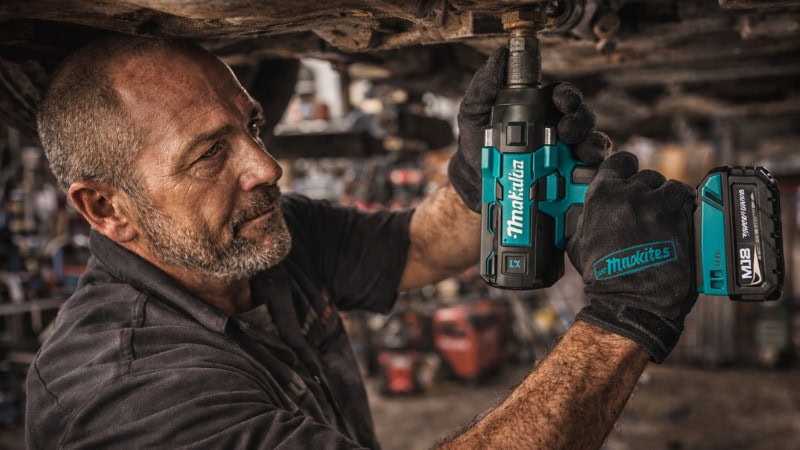
Makita doesn’t chase maximum torque as aggressively, but their tools deliver power in a more controlled and predictable way. Impacts ramp up smoothly, drills stay steady, and grinders don’t fight back in your hands. In everyday shop work, this balance means fewer stripped fasteners and better control in tight spots.
Battery Systems
A cordless tool is only as good as its battery, and here’s where both brands stand out. Milwaukee’s M18 system is all about high output and quick charging—perfect for busy shops where tools get constant use. Their batteries deliver power fast, especially for demanding tools like impacts and grinders.
Makita’s 18V LXT platform focuses more on efficiency and battery life. These batteries run cooler and last through years of charging. If you hate replacing batteries every few seasons, Makita’s long-term reliability is a big plus.
Tool Lineup Depth – Which Brand Meets More Shop Needs?
Tool depth matters when you’re trying to keep everything on one battery platform. Milwaukee clearly targets mechanics with a massive lineup that goes beyond basics. Cordless ratchets, inflators, grease guns, inspection lights, and specialty automotive tools make it easy to build a full red-only setup in a shop.
Makita’s lineup is strong but more traditional. They excel in core tools like drills, grinders, saws, and sanders, especially for fabrication and metal work. While they don’t offer as many mechanic-specific accessories, the tools they do offer are refined and dependable, which appeals to techs who prioritize quality over quantity.
Ergonomics & Daily Use Comfort
Ergonomics is where the long day really shows. Milwaukee tools tend to feel solid and aggressive in the hand, which works well when you need leverage and confidence on stubborn fasteners. However, that rugged feel can translate into more weight, especially with larger batteries installed.
Makita usually feels lighter and better balanced, particularly during overhead work or when you’re under a car, reaching at awkward angles. Their grips, trigger response, and vibration control are tuned for extended use. For mechanics logging eight to ten hours a day, that comfort can reduce hand fatigue and maintain steady productivity throughout the shift.
Mechanic Reality Check
- Milwaukee tools feel built for confrontation — rusted bolts, seized suspension parts, and jobs where brute force saves time and knuckles.
- Makita tools feel built for endurance — long hours, repetitive tasks, and situations where smooth control prevents mistakes and fatigue.
- If your workday involves trucks, fleet vehicles, or heavy torque cycles, Milwaukee usually earns its keep faster.
- If you spend hours grinding, drilling, or fabricating, Makita’s balance and vibration control become noticeable advantages.
- Battery behavior matters more than specs; Milwaukee drains fast but charges fast, Makita drains slower and ages better.
- In real U.S. shops, senior mechanics often mix brands, choosing the tool that fits the job—not the logo.
- Neither brand is a mistake; the wrong choice is forcing one tool style onto the wrong kind of work.
Milwaukee vs. Makita
| Category | Milwaukee | Makita |
|---|---|---|
| Core Philosophy | Built for maximum power, speed, and jobsite punishment | Built for balance, efficiency, and long-term reliability |
| Impact Wrench Performance | Higher torque numbers, aggressive breakaway force | Smoother torque delivery, better fastener control |
| Battery Platform | M18 & M12 focused on high output and fast charging | 18V LXT & 40V XGT focused on efficiency and longevity |
| Tool Lineup for Mechanics | Very deep: ratchets, inflators, lights, grease guns | More limited mechanic-specific tools |
| Ergonomics | Heavier, solid, “industrial” feel | Lighter, better balanced, less fatigue |
| Durability Style | Built to survive abuse and hard drops | Built to last through years of steady use |
| Service & Support (US) | Large service network, fast turnaround | Reliable service, rebuild-friendly tools |
| Best For | Automotive, diesel, fleet, heavy-duty work | Fabrication, electrical, HVAC, precision work |
| Overall Shop Reputation | Power-first, time-saving tools | Comfort-first, consistency-focused tools |
Durability & Reliability
Mechanic tools take abuse: dropped, soaked, and exposed to heat. Milwaukee prepares for this, with tough housings and cooled motors for rough handling. Makita relies on internal protection and cooler-running motors—less flashy outside, but dependable for years of daily use. Both brands last; the difference shows in aging under stress.
Makita takes a quieter approach to durability. Their internal components are well protected, and motors tend to run cooler and more smoothly over time. While they may not look as rugged on the outside, many Makita tools continue to work reliably after years of daily use. In practice, both brands hold up well—the difference is how they age under constant shop stress.
Warranty, Service & Support in the U.S. Market
Support matters when a tool goes down mid-week. Milwaukee has a strong service presence across the United States, with fast turnaround times that appeal to busy shops. Many mechanics like how easy it is to get tools repaired or replaced without long delays, especially in metro areas.
Makita’s service network is slightly smaller but known for consistency. Their warranty process is straightforward, and parts availability is generally good, which helps tools stay in service longer. For mechanics who prefer repairing rather than replacing, Makita often feels more rebuild-friendly. In real-world use, both brands back their tools well—it comes down to speed versus long-term serviceability.
Price vs. Value
At first glance, Milwaukee and Makita often sit in the same price range, especially for tool-only purchases. Milwaukee kits can feel expensive, but you’re usually paying for higher torque ratings and a broader ecosystem aimed at mechanics. For many shops, that translates into fewer workarounds and faster jobs.
Makita tends to deliver value over time rather than upfront flash. Their tools may not always top spec sheets, but they age well and hold performance after years of use. When you factor in battery lifespan and long-term reliability, Makita can cost less to own for mechanics who keep tools for the long haul.
Who Should Choose Milwaukee?
Milwaukee is a strong fit for mechanics who deal with stubborn hardware and high-demand jobs every day. If you’re working on trucks, SUVs, suspension systems, or fleet vehicles, the extra torque and aggressive performance can save real time. Shops that want to stay on one battery platform also benefit from Milwaukee’s wide range of mechanic-focused tools, including cordless ratchets, inflators, and lighting. Milwaukee makes sense for techs who value power, speed, and constant innovation, even if that means slightly heavier tools. If your work regularly pushes tools to their limits, Milwaukee is built to take that punishment.
Who Should Choose Makita?
Makita is a smart choice for mechanics who care about control, balance, and long-term dependability. If your work involves fabrication, electrical, HVAC, or detailed mechanical jobs, Makita’s smooth power delivery can make a big difference. These tools shine during long shifts where vibration and hand fatigue become real issues. Makita also appeals to techs who keep tools for many years rather than replace them often, since their batteries and motors tend to age gracefully. If you value consistency over raw numbers and want tools that still feel good after thousands of trigger pulls, Makita fits that mindset well.
FAQ
FAQ 1: Is Milwaukee more powerful than Makita?
In most head-to-head comparisons, Milwaukee tools do deliver higher advertised torque and more aggressive output, especially in impact wrenches. That extra power is noticeable when dealing with rusted suspension bolts, axle nuts, or heavy truck hardware. However, more power isn’t always better. Makita tools deliver power more smoothly and predictably, which can reduce fastener damage and improve control. Milwaukee wins on raw strength, while Makita focuses on usable, controlled power in daily work.
FAQ 2: Which brand is better for professional auto mechanics in the U.S.?
For full-time U.S. auto mechanics, Milwaukee tends to be the more popular choice due to its deep automotive-focused lineup. Cordless ratchets, high-torque impacts, inflators, and lighting tools fit shop needs well. Makita is also professional-grade, but its strengths show more in fabrication, electrical, and precision tasks. In many professional garages, Milwaukee handles the heavy hits, while Makita is trusted for smoother, repetitive work that demands comfort and consistency.
FAQ 3: Do Makita tools last longer than Milwaukee?
Makita tools often have a reputation for aging more gracefully. Their motors run cooler, batteries degrade slowly, and vibration control reduces internal stress. Milwaukee tools are extremely durable but are often pushed harder due to their higher output, which can accelerate wear in high-demand environments. Longevity depends heavily on use style. For steady, controlled work, Makita may last longer. For heavy abuse, Milwaukee is built to survive punishment.
FAQ 4: Which battery platform is better: Milwaukee M18 or Makita LXT?
Milwaukee’s M18 platform prioritizes high output and fast charging, making it ideal for busy shops where downtime kills productivity. Makita’s LXT platform focuses on efficiency and thermal management, which helps batteries last longer over the years of use. M18 batteries deliver power aggressively, while LXT batteries deliver power consistently. Neither is objectively better—it depends on whether you value peak performance and speed or long-term battery health and stability.
FAQ 5: Is Makita worth the money compared to Milwaukee?
Makita is absolutely worth the money if you value smooth operation, balance, and long-term reliability over headline specs. While Milwaukee tools often feel more powerful out of the box, Makita tools tend to stay consistent after years of use. For mechanics who keep tools long-term and prioritize comfort during long shifts, Makita can offer better value over time. The payoff is quieter confidence rather than immediate, aggressive performance.
FAQ 6: Can mechanics realistically use both Milwaukee and Makita together?
Yes, and many experienced mechanics already do. Using both brands lets you match the tool to the job, rather than forcing one platform to do everything. Milwaukee often handles high-torque and specialty automotive tasks, while Makita excels at grinding, drilling, and fabrication. The only downside is managing multiple battery systems. For professionals who care more about results than brand loyalty, mixing Milwaukee and Makita is common and practical.
Final Verdict
There’s no single winner that fits every mechanic. Milwaukee comes out on top for raw power, aggressive tool variety, and shop efficiency when speed matters most. Makita wins on smooth operation, balance, and tools that stay dependable year after year. In real U.S. shops, the choice usually reflects work style more than brand loyalty. Heavy-duty automotive and fleet work leans toward Milwaukee, while precision work and long shifts often favor Makita. The truth is, both brands earn their place. The best pick is the one that matches the jobs you do every day and the way you like to work.
