
Hearing noise when braking at low speeds can be frustrating and worrisome for any driver. Whether it is a squeak, squeal, or grinding sound as you pull into a parking spot or come to a stop at a traffic light, these noises often raise the question of whether there is an issue with the brakes. Brake noise at low speeds is common and does not always indicate a significant problem. However, certain sounds can be early warning signs of wear or improper installation. Addressing brake noise promptly helps maintain effective stopping power, prevents costly repairs, and improves the driving experience. By understanding the causes of brake noise and how to address them, you can make informed decisions and prevent minor issues from becoming major brake failures.
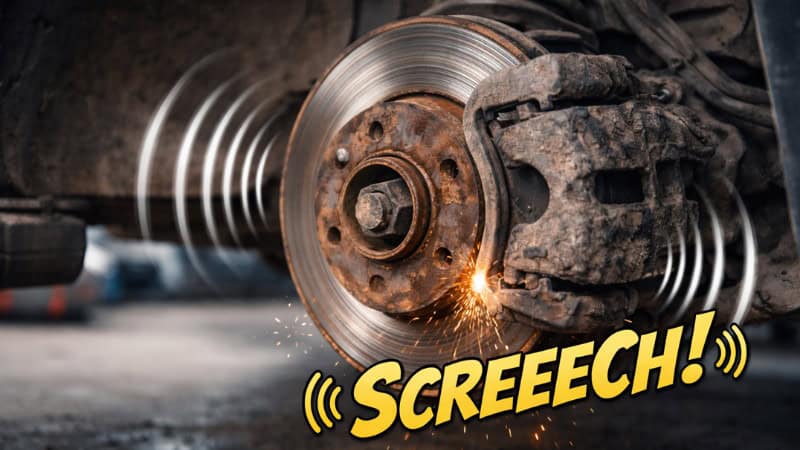
Common Types of Brake Noise at Low Speed
Brake noise varies based on the condition and materials of your braking system. Squeaking, the most common noise, occurs when the brake pads (the friction material pressing against the disc to slow the car) vibrate against the rotor (the metal disc attached to the wheel) during light braking. Squealing is louder and sharper, often caused by harder pad compounds. Grinding, the most serious, signals pads worn to the metal backing. Clicking or clunking may indicate loose or improperly installed hardware that secures the pads and caliper. Groaning or moaning can occur at very low speeds if the pads or rotors are glazed—meaning the surfaces have hardened from heat. These noises stand out at low speeds when road noise is minimal, and pedal pressure is light.
Why Brake Noise Happens More at Low Speed
Brake noise is often more noticeable at low speeds because the braking system operates differently during gentle stops. Reduced airflow reduces brake cooling, which can increase friction and vibration. Light pedal pressure lets the brake pads vibrate rather than clamp tightly to the rotor, making the noise more audible—especially if the pads are worn, hardened, or lack proper shims. Brake components also expand and contract with temperature changes, most apparent during stop-and-go driving. On highways, wind and tire noise usually mask brake sounds, but at low speeds, every vibration is easier to hear inside the car.
Main Causes of Low-Speed Brake Noise
- Worn brake pads are nearing the end of their service life
- Glazed brake pads or rotors caused by overheating
- Missing or damaged anti-squeal shims
- Lack of high-temperature brake lubricant
- Rust or corrosion on brake rotors after rain or car washing
- Low-quality or overly hard brake pad material
- Loose caliper bolts or worn brake hardware
- Dirt, brake dust, or debris trapped between the pad (the friction material) and the rotor (the metal disc)
Brake Noise Diagnosis Guide
| Noise Type | Likely Cause | Dangerous? | Recommended Fix |
|---|---|---|---|
| Squeaking | Light pad wear or vibration | Usually No |
Apply brake grease or replace pads |
| Squealing | Hard or low-quality pads | No |
Upgrade to premium brake pads |
| Grinding | Pads worn to metal | Yes |
Immediate pad and rotor replacement |
| Clicking | Loose brake hardware | Potentially |
Reinstall or replace hardware |
| Groaning | Glazed pads or rotors | No |
Resurface or replace components |
How to Fix Brake Noise at Low Speed
1. Identify the noise first
Different sounds usually point to different failures:
- Light squeak / chirp (especially last 5–10 mph): pad vibration, missing grease/shims, cheap pad compound
- High-pitched squeal: glazing, pad compound, rotor finish, caliper slide issues
- Grinding: pads worn to metal or debris trapped—stop driving
- Clicking/clunk on light braking: loose hardware, worn clips, caliper bracket movement, pad shift
- Groan/moan: glazing, uneven rotor transfer film, sometimes rear drum/shoe issues
Pro tip: Try to notice if it happens only forward, only reverse, only first stop cold, or after brakes are hot—that’s a big clue.
2. Safety check
Before any “quiet fix,” confirm the brakes are actually safe:
- Pad thickness (inner + outer—inner often wears faster)
- Rotor thickness and condition (scoring, lip, hotspots, cracks)
- Any brake fluid leaks
- Caliper boots torn / pistons sticking
- Brake hose swelling or damaged
If you hear grinding, see metal dust, or feel pulsation + noise together, it’s not a “noise issue”—it’s a repair now issue.
3. The most common fix: correct lubrication + hardware
A lot of low-speed squeaks come from pads vibrating against the caliper bracket or piston.
What a proper brake service includes:
- Remove pads and hardware clips
- Clean the caliper bracket “pad lands” (where pads slide)
- Replace hardware clips if rusted, bent, or loose (cheap parts, big difference)
- Apply high-temp silicone/ceramic brake grease.
- Clean and lubricate caliper slide pins with correct lube and make sure they move freely
Do NOT put grease on:
- Rotor face
- Pad friction surface
- Inside rotor or wheel studs
If pads can’t slide smoothly, they chatter and squeak at low speed.
4. Fix rotor “glaze” or uneven transfer film
Many low-speed squeals and groans are caused by:
- Glazed pads (shiny, hardened surface)
- Glazed rotors (mirror-like rotor face)
- Uneven pad material transfer (patchy rotor surface)
Best fixes:
- Resurface rotors (if thickness allows and shop has proper equipment)
- Or replace rotors (often better value, especially if thin, rusty, or scored)
- Replace glazed pads if they’re hardened or contaminated
- Lightly scuff pads (only as a temporary step; replacement is better if glazing is heavy)
How you can tell: If rotor face looks shiny, blue-spotted, or patchy—noise is likely surface-related.
5. Install quality pads
Brake pad material is a huge factor in noise.
General guide:
- Ceramic: usually quieter, less dust, great for daily driving
- Semi-metallic: stronger bite, can be noisier, more dust
- Cheap “economy” pads: often squeal more due to hard compound and poor shims
If the vehicle currently has bargain pads and low-speed squeal, upgrading to a known brand (OEM-equivalent) often fixes it immediately.
6. Make sure the anti-squeal shims are correct
Many pads rely on:
- Factory shims
- Multi-layer noise dampers
- Specific clip orientation
If a shop reused old shims, installed clips wrong, or used pads without proper shims, squeaks show up quickly.
Fix: Replace the shim set/hardware kit and verify correct fitment.
7. Clean contamination
Low-speed squeaks can be caused by:
- Small stones stuck between shield and rotor
- Heavy brake dust buildup
- Rust scale causing pads to bind
Fix:
- Remove wheels
- Blow out brake dust (wear a mask)
- Clean bracket and hardware surfaces
- Check backing plate/dust shield clearance (a bent dust shield can “sing” like a cymbal)
8. Check caliper slides + piston operation
A sticking caliper can cause:
- Constant light contact (squeal)
- Uneven pad wear (one pad thin, other thick)
- Heat spots and glazing
Fix:
- Service slide pins (clean, correct grease)
- Replace seized pins or torn boots
- If piston sticks: rebuild/replace caliper (and flush fluid if needed)
This is a big one—noise returns fast if the caliper can’t move freely.
9. Proper bedding-in (break-in) after new pads/rotors
Even good brakes can squeak if they weren’t bedded properly.
Typical bedding-in (generic daily-driver method):
- 5–6 moderate stops from ~40 mph to ~10 mph (don’t come to a full stop)
- Drive a few minutes to cool
- Repeat once if needed
Bedding creates an even transfer layer and reduces vibration noise.
10. Fix “rear brakes” too
Don’t assume it’s the front. Rear brake noise can be:
- Worn rear pads/shoes
- Drum brake hardware issues (springs, adjusters)
- Parking brake shoe rubbing inside rotor hat (common on some vehicles)
Diagnosis trick: Noise often changes when lightly pulling the parking brake (carefully, in a safe area). A shop can verify this properly.
Can You Keep Driving with Noisy Brakes?
Whether you can keep driving with noisy brakes depends on the sound. Occasional squeaking in cold or damp weather is usually harmless, but grinding, loud squeals, or vibrations shouldn’t be ignored. Metal-on-metal contact can quickly damage rotors and reduce braking power. Clicking or clunking may mean loose parts that worsen over time. If noise is constant, gets louder, or is accompanied by poor performance, have your brakes checked. Addressing issues early cuts safety risks and repair costs.
Preventing Brake Noise in the Future
Keep brake noise away with routine inspections and quality parts. Replace pads before they’re fully worn and bed in new ones properly. Avoid hard, cheap components prone to noise. Maintain a clean system and use correct lubrication at service. Quality hardware and regular care preserve quiet performance.
When to See a Professional Mechanic
If brake noise persists or gets worse, see a professional mechanic. Serious signs, such as grinding, vibration, or a burning smell, require expert attention. Brake warning lights or reduced performance should never be ignored. Technicians have specialized tools to diagnose hidden issues, keeping your brakes safe and reliable.
FAQ
FAQ 1: Is brake noise at low speed always a sign of a problem?
No, brake noise at low speed is not always a serious problem. Light squeaking or chirping can happen due to moisture, temperature changes, or normal pad vibration, especially during gentle braking. However, consistent or loud noises—such as grinding, harsh squealing, or clunking—should be inspected. While some sounds are harmless, others can indicate worn pads or hardware issues that need attention to avoid reduced braking performance or costly damage.
FAQ 2: Why do my brakes squeak only when I’m almost stopped?
Brakes often squeak near a complete stop because light pedal pressure allows the pads to vibrate against the rotor rather than clamp firmly. At low speeds, there’s less airflow and less road noise to mask these vibrations. Worn pads, hard friction material, or missing anti-squeal shims can make this more noticeable. While common, persistent squeaking should be checked to rule out uneven wear or improper installation.
FAQ 3: Can cheap brake pads cause noise at low speed?
Yes, inexpensive or low-quality brake pads are a common cause of low-speed brake noise. These pads often use harder friction materials that are more likely to vibrate and squeal. They may also lack proper shims or noise-reducing features. While they can stop the vehicle, they often compromise quiet operation and smooth braking. Selecting OEM or premium aftermarket pads generally results in quieter and more consistent performance.
FAQ 4: Is it safe to keep driving if my brakes are grinding?
No, grinding noises should never be ignored. Grinding usually indicates that the brake pads are completely worn and that the metal backing plate is in contact with the rotor. This drastically reduces stopping power and can damage the rotors within minutes. Continuing to drive can turn a simple pad replacement into a much more expensive pad-and-rotor repair. If you hear grinding, stop driving and have the brakes inspected immediately.
FAQ 5: Why do my brakes make noise after rain or washing my car?
Brake noise after rain or a car wash is usually caused by a thin layer of rust or moisture on the rotor surface. This is very common, especially in humid conditions. The noise typically goes away after a few normal stops as the pads clean the rotor surface. If the noise persists for days, it could indicate uneven rotor wear or pad material issues and should be checked.
FAQ 6: Will brake grease really stop squeaking?
Brake grease can significantly reduce or eliminate squeaking when used correctly. It’s applied to specific contact points, such as the back of brake pads and caliper hardware—not on the rotor or pad surface. The grease dampens vibrations that cause noise. However, grease alone won’t fix noise caused by worn pads, damaged rotors, or poor-quality materials. It’s most effective as part of a proper brake service.
FAQ 7: How long can I drive with squeaky brakes before fixing them?
If the noise is light and occasional, you may be able to drive for a short time without immediate risk. However, squeaky brakes should still be inspected within a reasonable timeframe. What starts as harmless noise can turn into accelerated pad wear or rotor damage. If the squeaking becomes louder, becomes constant, or is accompanied by vibration or reduced braking performance, stop driving and schedule service right away.
FAQ 8: How can I prevent brake noise after getting new brakes?
Preventing brake noise after new brakes are installed requires proper installation and bedding-in. Always use quality pads and new hardware when recommended. Bedding in the pads helps evenly distribute the friction material across the rotor, reducing vibration. Make sure brake grease is applied correctly and that brake noise is prevented after new brakes are installed and bedded in. Components go a long way toward keeping brakes quiet and smooth.
Conclusion
Brake noise at low speeds is a common issue, but it shouldn’t be ignored. Some sounds are normal and harmless, while others may indicate worn parts or incorrect installation. Knowing the difference helps you decide when a quick fix is enough and when to seek professional help. Tackling brake noise early improves safety, saves money, and keeps your drive comfortable. With routine inspections, quality parts, and proper installation, you can prevent most brake noise problems. If you’re ever unsure about a sound, a professional brake inspection is always the safest bet.
