
If you’ve ever left your car parked for months and thought, “I’ll just start it every so often,” you’re not alone. As a longtime mechanic, I see this is one of the most misunderstood parts of car ownership. Letting your car sit isn’t always harmless, but starting it the wrong way can actually cause more problems than just leaving it alone. Batteries can die, fuel can go bad, seals might dry out, and moisture can build up inside the engine. The key isn’t just starting the car; it’s knowing when and how to do it, and when it’s better to leave it alone. Let’s break it down step by step.
How Often Should You Start a Stored Car?
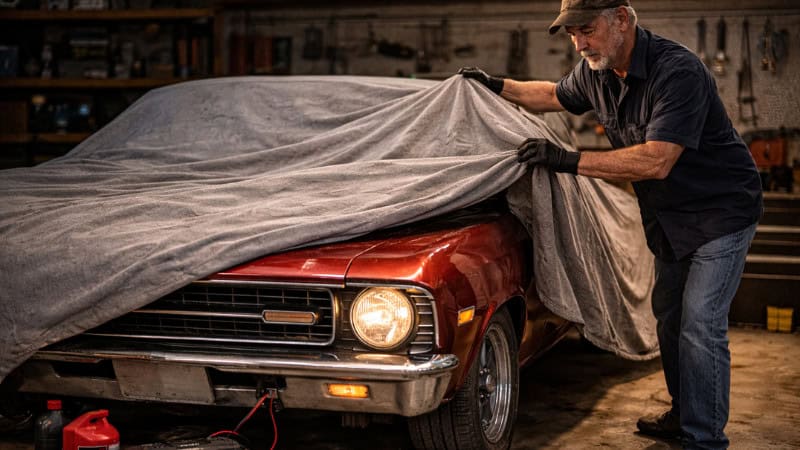
If your car is sitting without full storage prep, try to drive it every 2 to 4 weeks. It’s not enough to just start the engine; you need to let it warm up fully. The best option is to take the car for a 20 to 30-minute drive. This lets the oil circulate, burns off moisture, and gives the alternator time to recharge the battery. Just starting the car for five minutes in your driveway can actually do more harm than good. It can cause condensation, thin the oil, and prevent the battery from recharging. If you can’t take it for a proper drive, it’s better not to start it at all.
Is It Better to Start It or Leave It Alone?
Whether you should start your stored car or leave it alone depends on how long it will sit and how well you’ve prepared it. For short-term storage (less than a month), driving it occasionally keeps things lubricated and the battery charged. For long-term storage, three months or more, and with proper prep, it’s usually better to leave the car alone. Starting a car without driving it can cause moisture to build up inside the engine and exhaust system, leading to internal corrosion. I’ve seen engines wear out early just because owners kept idling them to “check.” The main thing is to have a plan: either drive it regularly, or prepare it well and let it rest.
you may like: How to Start a Car With a Bad Ignition Switch
Table: How Often to Start a Stored Car
As you can see, starting a stored car too often without driving it properly can cause more damage than letting it sit. The real key is whether the vehicle has been properly prepared for long-term storage.
What Happens If You Don’t Start a Stored Car?
If a car sits too long without preparation, several systems can start to break down. The battery will slowly lose its charge because of the car’s electronics. Fuel can go bad, especially if it contains ethanol. Tires may get flat spots from staying in one place. Brake rotors can rust, especially in humid weather. Seals and gaskets may dry out, especially in older vehicles. None of this means the car is ruined, but letting it sit too long does have consequences. The longer it sits without proper prep, the more likely you’ll have trouble starting it or need repairs later.
you may like: How Long Does a Car Battery Last Without Driving?
Proper Long-Term Car Storage Tips
If you’re storing a vehicle for several months, preparation makes all the difference. Here’s what I recommend in my shop before any long-term storage situation:
- Change the engine oil and filter.
- Fill the gas tank and add fuel stabilizer.
- Run the engine 10 minutes after adding the stabilizer.
- Inflate tires to the proper PSI or slightly above.
- Connect a smart battery maintainer.
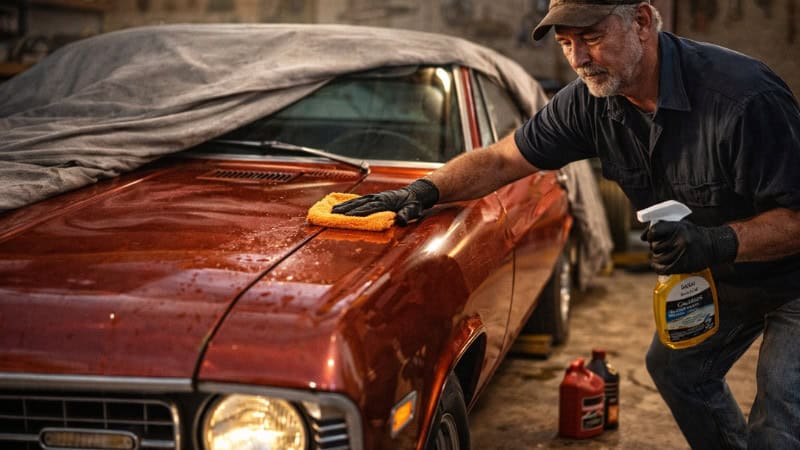
- Clean and wax the exterior before storage.
- Use a breathable car cover.
- Seal the exhaust tip to deter rodents.
- Store in a dry garage if possible.
Taking these steps helps prevent internal corrosion, fuel breakdown, battery failure, and pest damage. If you prepare your car properly, you won’t need to keep starting it every few weeks.
How to Start a Car After Long Storage
When it’s time to use the car again, don’t just get in and start it right away. Take a few minutes to check things first. Open the hood and look for rodent nests or chewed wires. Check all the fluid levels, like oil, coolant, brake fluid, and power steering fluid. Check the battery terminals for corrosion. Before starting the engine, turn the key to the “ON” position and let the fuel pump run for a moment. Then start the car as usual. Let it idle and watch the temperature and oil pressure gauges. Once everything looks good, take it for a gentle drive. Try to avoid hard acceleration for the first 20 to 30 miles.
you may also like: How Often Should You Change Your Engine Air Filter?
Common Mistakes People Make
Over the years, I’ve seen people make the same storage mistakes again and again. If you avoid these, you’ll save yourself money and a lot of hassle.
- Starting the engine but never driving it.
- Letting the fuel tank sit near empty.
- Skipping the oil change before storage.
- Using a cheap trickle charger instead of a smart maintainer.
- Ignoring tire pressure.
- Forgetting rodent protection.
- Storing the car dirty and uncovered.
The biggest mistake is believing that idling the car once in a while counts as maintenance. It doesn’t. What really protects your vehicle in the long run is either driving it properly or preparing it well for storage.
FAQ
1. Should I start my car every week while it’s in storage?
Starting your car every week may sound responsible, but in most cases, it does more harm than good. A weekly cold start without driving long enough to reach full operating temperature allows moisture to build inside the engine and exhaust system. That moisture can mix with oil, leading to internal corrosion over time. It also drains the battery more than it charges it if the engine only idles briefly. If the vehicle is not being driven properly for at least 20 to 30 minutes, it is better to either prepare it for storage correctly or leave it alone.
2. How long can a car sit without being driven?
A modern vehicle can typically sit for 4 to 6 weeks without serious issues, assuming the battery is healthy and the fuel tank is reasonably full. After that point, battery discharge becomes more likely, especially due to parasitic draw from onboard electronics. Fuel may begin to degrade after a couple of months, particularly ethanol-blended gasoline. Tires can also develop flat spots if left in one position for extended periods. With proper preparation, such as a fuel stabilizer and a battery maintainer, a car can safely sit for several months without major mechanical concerns.
3. Is it bad to let a car sit too long?
Yes, letting a car sit too long without preparation can lead to several mechanical problems. Batteries discharge naturally and may sulfate if left uncharged. Fuel can oxidize and form deposits in injectors or carburetors. Moisture can accumulate in engine oil and exhaust components, especially in humid climates. Tires may develop flat spots, and brake rotors often develop surface rust. While most of these issues are manageable, they can become costly if ignored for extended periods. Proper storage preparation greatly reduces these risks and keeps the vehicle ready for a reliable restart.
4. Can I just disconnect the battery during storage?
Disconnecting the battery reduces parasitic drain on the vehicle’s electrical system, helping extend battery life during storage. However, it is not the most effective solution for long-term storage. A smart battery maintainer is better because it keeps the battery fully charged without overcharging it. Maintaining proper voltage prevents sulfation and extends the battery’s lifespan. If you choose to disconnect it, store the battery in a cool, dry place and recharge it periodically. For vehicles sitting longer than a few months, a maintainer is the more reliable option.
5. Does idling the car count as driving during storage?
No, idling the car in your driveway does not count as proper maintenance during storage. An engine needs to reach full operating temperature to evaporate internal moisture and circulate oil completely through all components. Short idling sessions often fail to achieve this. Instead, they can create condensation inside the engine and exhaust system. Idling also does not fully recharge the battery unless the engine runs long enough under proper load. If you are going to start the vehicle, take it for a proper drive of at least 20 to 30 minutes.
6. Should I fill the gas tank before storing a car?
Yes, filling the gas tank before storage is highly recommended. A full tank reduces the amount of air space inside, which limits moisture buildup and condensation. Moisture inside the fuel tank can lead to corrosion and fuel contamination. After filling the tank, add a quality fuel stabilizer and run the engine for about ten minutes to circulate the treated fuel through the system. This helps prevent fuel breakdown and varnish formation, especially in vehicles stored for more than a couple of months.
7. What happens to engine oil during long-term storage?
Engine oil does not simply sit idle during storage. Used oil contains contaminants, acids, and combustion byproducts that can slowly attack internal engine components. If the vehicle is stored with dirty oil, those contaminants remain in contact with bearings and metal surfaces for months. That is why changing the oil before long-term storage is strongly recommended. Fresh oil provides better corrosion protection and reduces the risk of internal wear while the vehicle sits unused. It is a simple step that can prevent unnecessary long-term engine damage.
8. Do modern cars handle storage better than older vehicles?
Modern vehicles are generally more resistant to certain storage issues, but they also have more electronics that create parasitic battery drain. Fuel injection systems handle fuel more efficiently than carbureted engines, but ethanol-blended gasoline still degrades over time. Electronic modules, keyless entry systems, and security systems can slowly discharge the battery while the car sits. Older vehicles may have fewer electronics but are more prone to seal drying and carburetor varnish. Regardless of age, proper preparation remains the most important factor in successful long-term vehicle storage.
Final Mechanic Advice
Here’s the bottom line: if you’re storing your car for less than a month, drive it every few weeks and make sure it gets fully warmed up. If you’re storing it for more than three months, prepare it properly and then leave it alone. Randomly starting the car without driving it can cause more internal damage than most people think. Good storage isn’t about paying attention to the car all the time—it’s about preparing it right. A well-prepared car can sit for months and start up without any problems. If you don’t handle storage properly, you could end up with battery issues, fuel problems, or engine wear due to moisture. Think of storage as preventative maintenance. Do it right the first time, and you’ll avoid costly repairs later.
Read More:
