
Spark plugs might be small, but they’re the heartbeat of your engine. Every time you turn the key, those plugs fire off thousands of sparks a minute to ignite the air-fuel mix—this is the combination of gasoline and air that engines require to run. When your spark plugs are healthy, your engine runs smoothly, strongly, and efficiently. But when they start to wear out, everything suffers—kind of like trying to sprint with a stuffed-up nose. Bad spark plugs can cause rough running, poor gas mileage, weak acceleration, and even long-term engine damage. Most American vehicles need new plugs every 30,000 to 100,000 miles, depending on the type of plug, your engine, and how you drive. Spotting the symptoms early saves you money, keeps your car reliable, and helps you avoid those annoying roadside surprises.
Most Common Symptoms of Bad Spark Plugs
When spark plugs start going bad, your engine lets you know. One of the first things drivers notice is hard starting—the engine cranks longer before firing up, especially on cold mornings. Once moving, the idle can feel rough or shaky, as if the engine can’t find its rhythm. When you step on the gas, acceleration may feel sluggish, as if the car is dragging something heavy. Gas mileage drops, too, because unburned fuel is wasted when the spark isn’t strong enough. In the worst cases, you’ll feel misfires, jerking, or hesitation. The Check Engine Light might come on. These are all signs your spark plugs need attention before other parts get damaged.
Less Common Symptoms You Shouldn’t Ignore
Some symptoms don’t appear often, but when they do, they’re major red flags. Engine pinging or knocking—metallic tapping or rattling sounds, often during climbing or hard acceleration—can mean weak spark timing throws off combustion. Slow or hesitant revving, where the RPM climbs sluggishly, also signals trouble. In cold weather, the engine may stay rough longer after starting. These less common signs usually point to severely worn or fouled plugs. Ignoring them can damage pistons, stress ignition coils, and accelerate engine wear. Early detection keeps your engine healthy and responsive.

What Causes Spark Plugs to Go Bad?
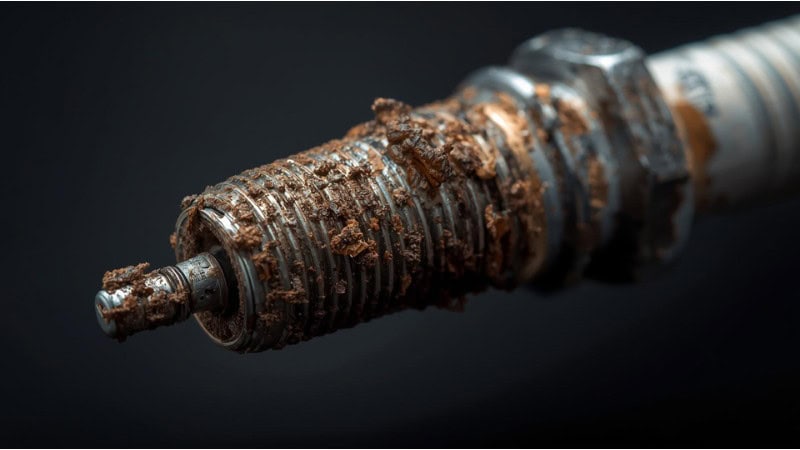
Spark plugs don’t last forever. Over time, the electrodes wear down from all the heat and sparks, which weakens their ability to ignite the mix. Carbon buildup is another common problem—caused by running rich, making short trips, or using cheap gas. This coats the plug and smothers the spark. Some engines leak a bit of oil into the combustion chamber, which leads to oil-fouled plugs and constant misfires. Using the wrong heat range plug can also shorten their lifespan, either overheating the tip or not burning fuel cleanly. Cheap aftermarket plugs often fail early, and if your ignition coils are weak, they can ruin even brand-new plugs. Even your driving style matters—lots of stop-and-go or idling wears plugs faster. Knowing the cause helps you avoid repeat failures and keeps your ignition system strong.
How to Diagnose Bad Spark Plugs Like a Pro
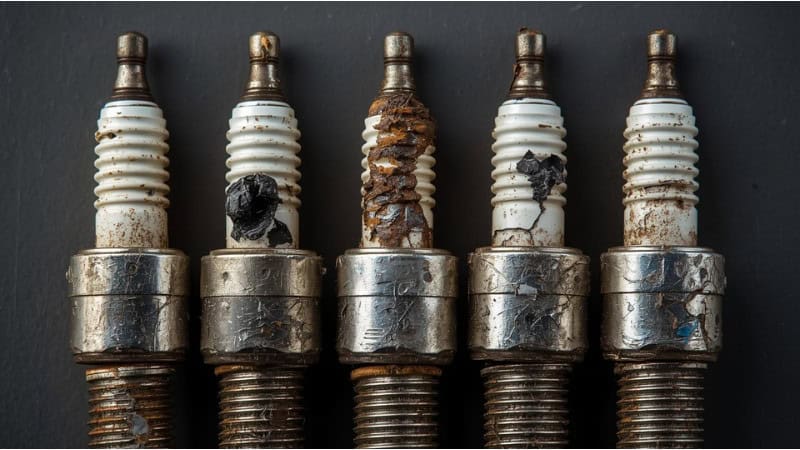
If you suspect your spark plugs might be the problem based on the symptoms above, a hands-on diagnosis can confirm your suspicions. Start by pulling the plugs and checking the tips. A healthy plug is a clean tan color. Black, oily, or chalky white plugs mean trouble. Black and sooty? That’s a rich mixture (more fuel than air) or a weak spark. Oily plugs suggest engine wear. White plugs indicate overheating or a lean fuel mixture (more air than fuel). An OBD2 scanner (a handheld device that reads engine computer error codes) makes life easier by showing misfire codes, so you know which cylinder is the problem. Listen for rough idle or an uneven engine rhythm—those usually mean a weak or inconsistent spark. Finally, check the plug gap with a feeler gauge (a tool for measuring small spaces); if it’s too wide or too tight, the spark won’t fire right. A good diagnosis saves time, money, and unnecessary parts swapping.
When to Replace Spark Plugs (Mileage Guide)
Knowing when to replace spark plugs saves your engine from a lot of stress. Most modern US vehicles use platinum or iridium plugs—long-lasting materials that usually last 60,000 to 100,000 miles. Older cars or performance builds with copper plugs need new ones around 20,000 to 30,000 miles since they wear faster. Turbocharged engines, which run hotter, also require more frequent plug checks. Regardless of mileage, replace plugs if you notice misfires, fouling, rough idle, or sluggish acceleration. Worn plugs can damage coils or the catalytic converter. Staying ahead keeps your engine starting easily, running smoothly, and lasting longer.
Don’t Ignore the Early Warning Signs
Bad spark plugs don’t fail all at once. They wear out slowly, and your engine gives you hints before things get serious. Hard starts, rough idle, sluggish acceleration, and bad fuel economy all suggest a weakened spark. Ignoring these signs can stress ignition coils, harm the catalytic converter, and leave you stranded. Timely spark plug replacement is one of the cheapest ways to maintain smooth, reliable engine performance. Do it yourself or have a mechanic handle it. Either way, proactive care saves your engine and your wallet. A healthy spark means a healthy ride.
DIY Replacement Tips (Mechanic-Approved)
Changing spark plugs is a job most DIYers can handle. Take your time and use the right tools. You’ll need a spark plug socket, an extension, and a torque wrench. Always work on a cool engine; hot engines can strip threads in the head. Disconnect the battery, remove the coil or plug wire, and gently loosen the old plug. Double-check the gap before installing the new plug. Always thread the new plug in by hand first to avoid cross-threading. Tighten to the recommended torque—overtightening ruins threads. Add a dab of dielectric grease to the coil boot for a clean connection. Take it slow and stay organized. The job will come out great every time.
Cost of Replacing Spark Plugs (US Average Pricing)
Replacing spark plugs isn’t usually expensive, but prices vary depending on your car and the type of plugs you use. In the US, copper plugs (standard, shorter lifespan) cost about $16–$40 for a set, while platinum or iridium plugs (premium, longer lifespan) cost $40–$100 or more. Labor is the wild card. For most 4-cylinder engines (with four combustion chambers), expect to pay $80–$150 for labor. V6 and V8 engines, especially those with tight access, can cost $200–$250 because the job takes longer. Some trucks and SUVs require removing intake parts (components that bring air into the engine), which can make it pricier. It might seem expensive, but running bad plugs can damage coils or your catalytic converter (the part that reduces exhaust pollution)—repairs that cost much more. Replacing plugs on schedule keeps your engine healthy and saves money in the long run.
FAQ
FAQ 1: What are the first signs of bad spark plugs?
The earliest signs of bad spark plugs usually show up as hard starting, a rough idle, and weaker acceleration. You might notice the engine taking longer to fire up in the morning or the idle feeling uneven at stoplights. Fuel economy may also begin to drop. These subtle symptoms often appear before misfires or a Check Engine Light, so catching them early helps prevent more serious ignition issues and costly repairs later.
FAQ 2: Can bad spark plugs cause a misfire?
Yes, bad spark plugs are one of the most common causes of engine misfires. When a plug can’t deliver a strong, consistent spark, the air-fuel mixture doesn’t ignite properly. This leads to jerking, hesitation, or popping during acceleration. Misfires also dump unburned fuel into the exhaust system. That can damage the catalytic converter over time. Replacing worn spark plugs quickly restores smooth combustion and protects other ignition components from unnecessary strain.
FAQ 3: How long do spark plugs usually last?
Spark plug lifespan depends on the material and engine type. Copper plugs typically last 20,000–30,000 miles, while platinum and iridium plugs often last 60,000–100,000 miles. Turbocharged engines or vehicles driven in heavy traffic may need plugs replaced more frequently due to higher heat and load. Even if you haven’t reached the mileage limit, symptoms like a rough idle or poor acceleration indicate it’s time to inspect or replace your plugs sooner.
FAQ 4: What happens if I drive too long with bad spark plugs?
Driving with bad spark plugs can create a chain reaction of problems. The engine may misfire, burn more fuel, and lose performance. Over time, unburned fuel from misfires can damage the catalytic converter. That repair costs far more than a set of spark plugs. Faulty plugs also stress ignition coils and can shorten their lifespan. Ignoring spark plug issues usually results in higher repair bills and reduced overall engine reliability.
FAQ 5: Will bad spark plugs trigger the Check Engine Light?
Absolutely. Bad spark plugs often trigger the Check Engine Light. The engine computer detects misfires or incomplete combustion. Common codes include P0300 for random misfires and P0301–P0308 for misfires in specific cylinders. Once the light appears, the engine may run rough or lose power. Replacing the worn plugs usually clears these codes and restores smooth operation. Don’t ignore the warning, as ongoing misfires can cause long-term damage.
FAQ 6: Can bad spark plugs reduce fuel economy?
Yes, bad spark plugs can significantly reduce fuel economy. When the spark is weak or inconsistent, the engine burns fuel less efficiently. It then uses more gas to produce the same power. Drivers often notice a sudden drop in MPG even though their driving habits haven’t changed. Replacing worn plugs instantly improves combustion efficiency. This improves fuel efficiency and saves money at the pump—especially important for commuters and long-distance drivers.
FAQ 7: Are spark plugs easy to replace at home?
For most vehicles, spark plugs are relatively easy to replace at home with basic tools such as a spark plug socket, an extension, and a torque wrench. The key is working on a cool engine, carefully removing coils or wires, and threading the new plug by hand to avoid cross-threading. The job becomes more challenging on V6 or V8 engines with tight access. If you’re comfortable with simple DIY repairs, spark plug replacement is a great starter job.
FAQ 8: Can bad spark plugs damage ignition coils?
Yes, running your vehicle with bad spark plugs can put extra strain on the ignition coils. When a plug doesn’t fire correctly, the coil works harder trying to produce the spark needed for combustion. Over time, this constant strain can cause coils to overheat or fail, turning a simple spark plug job into a more expensive repair. Replacing plugs on time protects the coils and keeps your ignition system running reliably.
Conclusion
At the end of the day, spark plugs matter more than most drivers realize. When they’re worn or fouled, everything from starting your car to accelerating on the highway gets harder. The good news? Spark plugs are cheap, easy to replace, and give an instant boost in power, mileage, and smoothness. Pay attention to early symptoms like misfires, rough idle, or poor fuel economy so you can fix problems before they turn into big repairs. Whether you do the work yourself or have a mechanic do it, replacing spark plugs on time is one of the smartest moves for engine health. Keep your spark strong, and your engine will reward you with smooth, reliable performance for miles to come.
