
If you ask American mechanics about top-tier hand tools, the Wera vs. Wiha debate comes up quickly. Both brands are German and have loyal US fans, but their biggest difference is this: Wera designs for speed and comfort in fast-paced, high-volume work, while Wiha focuses on precision and control for tasks requiring accuracy and finesse. For professionals, these design priorities matter more than manufacturing origin or marketing. Choosing between Wera and Wiha isn’t about which is “better” overall—it’s about matching your work style to their core strengths. This guide zeroes in on the practical differences so you can invest in the right tools for your job.
Quick Comparison Snapshot
For mechanics who want a fast read before diving into details, this quick snapshot shows how Wera and Wiha differ in real shop use. These are the points most US pros notice within the first week of using either brand.
- Design philosophy: Wera focuses on speed, ergonomics, and innovative tool design, while Wiha prioritizes precision, consistency, and controlled performance.
- Primary users in the US: Wera is favored by automotive and industrial mechanics; Wiha is preferred by electricians and detail-oriented technicians.
- Tool feel: Wera tools feel aggressive and workhorse-ready; Wiha tools feel refined and technically balanced.
- Strength areas: Wera excels in ratchets and high-torque screwdrivers, while Wiha leads in precision drivers and insulated tools.
- Best use case: Wera suits high-volume mechanical work; Wiha shines in electrical, electronics, and fine automotive tasks.
Brand Overview: Wera Tools
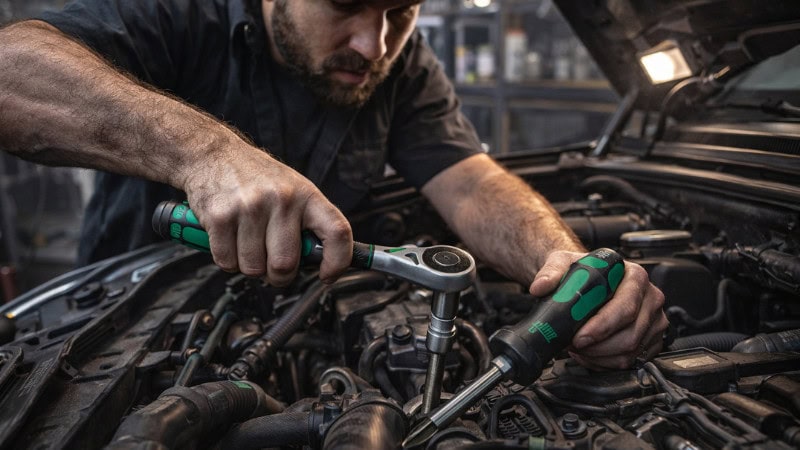
Wera builds its reputation by breaking conventions. Instead of copying traditional tools, Wera rethinks design from the ground up. US customers know Wera for Kraftform screwdriver handles, Zyklop ratchets, and color-coded hex keys. Their philosophy: make tools work faster and reduce hand strain. Mechanics and techs doing repetitive work value this. Wera designs look unusual on purpose—each shape and texture aims to improve grip, increase torque, or provide access in tight spaces, especially with modern vehicles.
Brand Overview: Wiha Tools
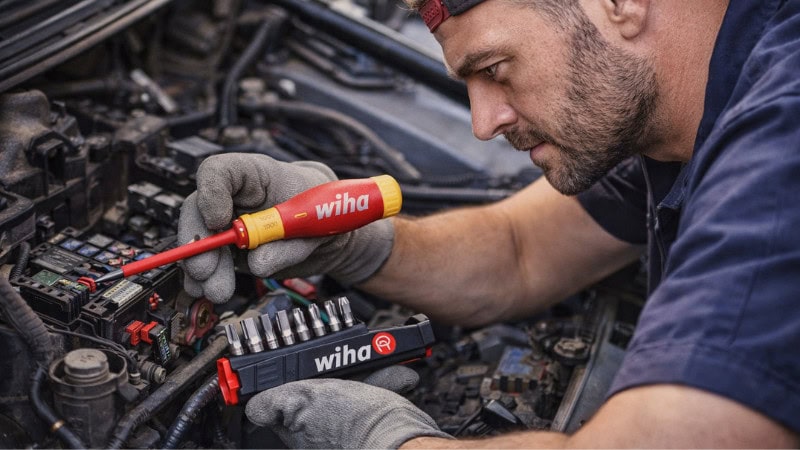
Wiha takes a traditional but polished approach. Rather than reinventing designs, Wiha perfects the basics: tip shape, steel quality, and balance. US electricians, electronics techs, and anyone handling tiny fasteners trust Wiha. They’re known for precise screwdrivers, micro bits, and insulated VDE tools. Wiha focuses on consistent control—tools feel the same every use. They may not look flashy, but consistency builds trust. Mechanics who value accuracy over speed see Wiha as an extension of their hands.
Wera vs. Wiha Tools Comparison Table
| Feature | Wera | Wiha |
|---|---|---|
| Primary Focus | Ergonomics, speed, innovation | Precision, control, consistency |
| Best Known For | Kraftform screwdrivers, Zyklop ratchets, color-coded hex keys | Precision screwdrivers, insulated VDE tools, micro bits |
| Typical US Users | Automotive mechanics, industrial techs, heavy daily use | Electricians, electronics techs, precision-focused mechanics |
| Handle Feel | Bigger, contoured, fatigue-reducing grip | Slimmer, balanced, better fingertip control |
| Comfort for Long Shifts | Excellent — built for repetitive wrenching | Great — especially for controlled, detailed tasks |
| Torque Style | High torque with less hand strain | Controlled torque with strong fastener feel |
| Ratchets | Standout category (Zyklop innovation, tight access) | Smaller selection; less brand emphasis |
| Bit Systems | Fast-change, mechanic-friendly sets | Ultra-precise bits, great for torque-controlled work |
| Electrical / Insulated Tools | Available, but a smaller specialty lineup | Best-in-class VDE range (strong electrician trust) |
| Durability in Shop Abuse | Very high — built to survive rough daily use | High — excellent longevity with proper care |
| Price Range (US) | Premium; can run higher on specialty sets | Premium; generally steady pricing across categories |
| Best Use Case | High-volume automotive work: fasteners, engine bay, suspension | Precision + electrical: fuse boxes, sensors, electronics, EV work |
Build Quality & Materials
Both Wera and Wiha use top-quality steel, but in different ways. Wera tools usually feel a bit heavier and tougher. They are built to handle everyday abuse in a busy shop. Their coatings help prevent rust and keep a good grip, even if your hands are oily. Wiha puts the spotlight on precise machining and tight tolerances. Their tool tips often feel sharper and more accurate, especially when you’re working with tiny fasteners. Over time, neither brand is weak—but their strengths are different. Wera is great for durability under pressure. Wiha is best for sharpness and accuracy. For most US mechanics, that means Wera for heavy jobs and Wiha for delicate, controlled work.
you may like: Top 12 Best Mechanic Tools Brands in the World 2026
Ergonomics & Comfort
Wera stands out for comfort. Their Kraftform handle is shaped to fit your hand naturally and distribute pressure. This keeps your hands from getting tired on long jobs. That’s a big deal when you’re tightening or loosening dozens—sometimes hundreds—of fasteners in one shift. The grip stays strong, even if you’re wearing gloves or your hands are slick. Wiha’s handles are slimmer and more balanced. This gives you more control with your fingertips, perfect for delicate work where precision is more important than brute force. In short, Wera wins for comfort during big, physical jobs. Wiha is the go-to for stability and control on detailed tasks.
Tool Performance in Real-World Use
In real-world garage conditions, Wera tools feel fast and forgiving. The handles allow higher torque with less effort. The designs help reduce cam-out on stubborn fasteners. This makes Wera popular among automotive techs working on engines, suspensions, and drivetrains. Wiha tools perform best when accuracy matters most. Their tips fit fasteners tightly, reducing wear and minimizing mistakes on small screws. This is especially noticeable on interior work, electronics, and electrical components in modern vehicles. Neither brand struggles in performance, but they serve different work styles. Wera supports speed and endurance, while Wiha supports precision and consistency. Many US mechanics naturally gravitate toward one based on daily job demands.
Screwdrivers: Wera vs. Wiha
Screwdrivers are the heart of this comparison. Wera screwdrivers focus on grip and torque, with handles that encourage aggressive turning without discomfort. The laser-etched tips help bite into fasteners, especially worn ones. Wiha screwdrivers focus on tip accuracy and hardness. They produce excellent fit and long-lasting edges. In daily use, Wera screwdrivers feel better for repetitive, high-force tasks. Wiha screwdrivers feel better for clean, controlled work. Over time, Wiha tips tend to hold their shape slightly longer, while Wera handles provide better comfort. For US mechanics, the choice often comes down to whether the job requires muscle or finesse.
Ratchets & Bit Systems
Wera ratchets, especially the Zyklop line, are known for innovation. Multi-position heads, fine tooth counts, and compact designs make them ideal for tight engine bays. They feel different from traditional ratchets but quickly win people over. Wiha doesn’t focus as heavily on ratchets. Instead, it excels in bit systems. Wiha bits are precisely machined and pair well with torque-controlled tools. For mechanics who rely on bit drivers and torque specs, Wiha systems feel extremely reliable. In practice, Wera dominates when speed and access are priorities. Wiha dominates when controlled fastening is the priority. Many US techs mix Wera ratchets with Wiha bits for the best of both worlds.
Insulated & Electrical Tools
Wiha leads in insulated and electrical tools. Their VDE-certified tools earn trust in the US electrical and industrial sectors. Labeling is clear, insulation is durable, and safety ratings are consistent. Automotive mechanics on EVs or hybrid systems rely on this. Wera offers insulated tools, but with a smaller, less specialized selection. Wera’s advantage is in crossover tools for both mechanical and light electrical work. For frequent electrical work, pick Wiha for safety. For occasional electrical tasks, Wera performs well.
Durability & Longevity
Both brands last, but they age differently. Wera tools withstand abuse, resist cracks and chips, and withstand handle breakdown in shops. Wiha tools maintain precision longer, with tips that wear slowly and evenly. Their slimmer profiles require more care. In US shops, Wera tools may look rough but work perfectly for years. Wiha tools look cleaner but demand respect. Longevity depends on use, not brand. Both earn their premium price through service life.
Price & Value in the US Market
In the US, both Wera and Wiha are premium tools. Wera often costs more for specialty tools; Wiha pricing stays even across products. Neither competes with budget brands. Both outperform lower-priced options over time. US mechanics value reduced fatigue, fewer stripped fasteners, and longer tool life. Upfront cost is higher, but replacement rates are lower. Investing in either brand pays off in daily use. The real value is matching the brand to your work style.
Warranty & Customer Support
Wera and Wiha both offer solid warranties in the US, but not weekly service like tool-truck brands. You must contact customer support or return the item through the retailer for a replacement. Wiha honors warranty claims, especially for electrical tools. Wera’s warranty support is also reliable, though turnaround can vary. Neither denies legitimate claims. Buy from authorized sellers for a smooth warranty experience. Truck-brand swaps are more convenient, but with Wera and Wiha, warranty claims are rare due to their build quality.
Which Brand Should You Choose?
If you’re an automotive mechanic working long shifts, Wera tools help you work faster with less fatigue. For precision, electrical work, or small fasteners, Wiha delivers better control and confidence. Many US professionals use both brands—Wera for ratchets and high-use screwdrivers, Wiha for precision and electrical tools. Don’t focus on brand loyalty. Match your tools to the job. Both brands belong in serious toolboxes.
Frequently Asked Questions
1. Are Wera tools better than Wiha tools for mechanics?
Wera tools are often the better choice for full-time automotive mechanics because they prioritize comfort, speed, and reduced hand fatigue. Their ergonomic handles and innovative ratchets make long shop days easier, especially when dealing with high-torque fasteners. Wiha tools are not worse, but they are more precision-focused. For mechanics doing heavy mechanical work all day, Wera usually feels more practical. For detail-oriented tasks, Wiha still holds a strong advantage.
2. Are Wiha tools worth the money in the US market?
Yes, Wiha tools are absolutely worth the money if your work demands precision and reliability. They are especially valuable for electricians, electronics technicians, and mechanics working on modern vehicles with sensitive components. Wiha’s machining quality and tight tolerances reduce fastener damage and improve control. While the upfront cost is high, the tools last a long time, making them a smart long-term investment for professionals in the US.
3. Which brand has better screwdrivers, Wera or Wiha?
It depends on how you use screwdrivers. Wera screwdrivers are more comfortable for high-torque and repetitive use, making them popular in automotive shops. Wiha screwdrivers excel in precision and tip accuracy, which is critical for small or delicate fasteners. Many US mechanics prefer Wera for general work and Wiha for electronics, interiors, and electrical tasks. Both brands produce excellent screwdrivers, just with different strengths.
4. Are Wera tools actually made in Germany?
Wera is a German brand, and many of their tools are designed and engineered in Germany. However, like most global manufacturers, some production takes place in other countries under strict quality control. What matters to most US mechanics is consistency, and Wera maintains a high standard regardless of manufacturing location. The design, materials, and performance still reflect German engineering principles, which is why the brand has such a strong reputation worldwide.
5. Are Wiha tools good for automotive work?
Yes, Wiha tools are very good for automotive work, especially when precision is required. They perform exceptionally well on interior components, electronics, wiring, and small fasteners found in modern vehicles. While Wiha may not be the first choice for heavy suspension or engine work, they shine in detailed tasks. Many US mechanics use Wiha alongside heavier tools to cover the full range of automotive repairs.
6. Which brand lasts longer, Wera or Wiha?
Both brands are built to last, but durability depends on how the tools are used. Wera tools are designed to handle rough shop environments and heavy daily use, often showing wear but continuing to perform. Wiha tools maintain precision longer but benefit from more careful handling. In US garages, Wera tends to survive abuse better, while Wiha stays accurate longer. Either brand can last for years when used for the right applications.
7. Are Wera and Wiha tools better than US tool-truck brands?
Wera and Wiha compete strongly with US tool-truck brands in quality, but they offer a different experience. Tool-truck brands provide convenience and on-site warranty service, while Wera and Wiha focus on design and performance. Many US mechanics use a mix of both. Wera and Wiha often outperform truck-brand tools in ergonomics and precision, but they lack the weekly truck support that some professionals rely on.
8. Should I buy Wera or Wiha as my first premium tool brand?
If you’re buying your first premium tools, Wera is usually the better starting point for automotive mechanics, thanks to its comfort and versatility. Wiha is a great first choice if your work involves electrical systems or precision tasks. Many US professionals start with Wera for daily use and add Wiha tools later as their needs expand. The best choice depends on the type of work you do most often, not just the brand name.
Final Verdict
The main differences between Wera and Wiha tools come down to philosophy, not quality. Wera prioritizes innovation, comfort, and speed, making it a favorite among automotive and industrial mechanics. Wiha prioritizes precision, consistency, and electrical safety, making it ideal for controlled, technical work. Neither brand is objectively better than the other. For US mechanics, the smartest move is to understand your daily workload and choose accordingly. If possible, owning tools from both brands gives you maximum flexibility. When it comes to premium German tools, the real winner is the mechanic who picks the right tool for the job.
