
Few situations are more unsettling than when a car shuts off unexpectedly while driving. One moment, the engine is operating normally; the next, it stops altogether. This event can result from causes that range from electrical circuit interruptions to failures in fuel delivery or critical engine control sensors. When a car stalls, it typically reflects a disruption in the systems that manage fuel supply, electrical continuity, or sensor-driven engine control. Modern vehicles rely on numerous electronic subsystems, so a seemingly minor fault—such as a sensor sending incorrect data or a connector becoming loose—can be enough to cut engine power. Most of these faults can be isolated by examining the related circuit or component, then repaired or replaced. This guide details the most common technical causes for engine shutdown during driving and outlines practical steps for diagnosis and safe response.
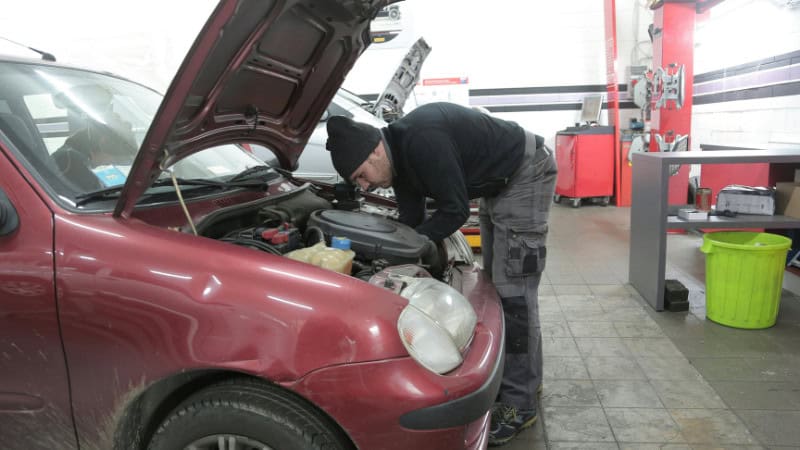
Is It Dangerous If a Car Shuts Off While Driving?
Yes, it can be quite dangerous for a car to shut off while driving, especially at highway speeds or in heavy traffic. When the engine stops, essential systems such as power steering and brake assist may no longer function, making it harder to steer and brake. Drivers might struggle to control the vehicle safely, particularly if they are caught off guard. Sometimes, the car may stall in the middle of an intersection or on a busy road, raising the risk of accidents. If your vehicle suddenly shuts off while driving, the safest response is to carefully steer to the side of the road and immediately activate your hazard lights.
you may like: Broken Crankshaft Symptoms: How to Spot the Warning Signs Before Engine Failure
Faulty Fuel Pump
A fuel pump’s main function is to supply fuel at a precise pressure from the tank to the engine’s fuel rail. If it starts to fail, fuel delivery pressure will drop below optimal levels, resulting in engine hesitation, reduced power, and eventually, a complete stall due to insufficient combustion. Early symptoms include rough or delayed acceleration and fluctuating engine RPMs, particularly under load. When the pump fails completely, the engine loses its fuel supply and stops instantly. The technical remedy is replacing the pump to restore proper fuel volume and pressure.
Clogged Fuel Filter
A fuel filter removes particulate contaminants, such as dirt, rust, and debris, from gasoline before it reaches the fuel injectors. When the filter becomes excessively clogged, it restricts the fuel flow rate and reduces pressure, impairing combustion—especially under acceleration or load. The engine may misfire, hesitate, or stall because the air–fuel ratio is no longer maintained. Difficulty starting and reduced power also result. Replacement of the filter according to manufacturer guidelines maintains optimal fuel delivery and engine performance.
Bad Crankshaft Position Sensor
The crankshaft position sensor detects the crankshaft’s rotational speed and precise position, transmitting signals to the engine control module (ECM). The ECM uses this information to time fuel injection and ignition. If the sensor signal is lost, the ECM cannot synchronize combustion events, resulting in an immediate engine stall. On occasion, sensor failure is intermittent and heat-related, leading to stalling or rough idling until the unit cools. Replacement of the defective sensor resolves the timing communication failure.
you may like: Engine Cooling System Parts and Their Functions
Faulty Ignition Switch
The ignition switch channels electrical current from the battery to essential engine circuits when in the ‘run’ position. Wear or internal faults can intermittently disrupt this connection, cutting power to the fuel and ignition systems, which instantly stops the engine. Secondary symptoms sometimes appear: erratic dashboard behavior, sporadic power loss to accessories, or intermittent starting. Technicians diagnose this by measuring circuit continuity and, if instability is found, replacing the switch to restore reliable power.
Dead or Failing Alternator
The alternator charges the battery and powers the vehicle’s electrical systems while the engine is running. If the alternator fails, the battery will begin to drain quickly. Once the battery loses enough power, the engine may shut off because critical systems no longer receive electricity. Drivers often notice warning signs before the engine stalls completely. The dashboard battery light may turn on, headlights may appear dim, or electronic features may behave unpredictably. In many cases, the car will restart briefly after being jump-started, but it will stall again once the battery drains. Replacing a faulty alternator restores the charging system and prevents the engine from unexpectedly shutting down.
Weak or Loose Battery Connections
Loose or corroded battery terminals can disrupt the electrical circuit, impeding current flow to critical systems. Even if the battery retains charge, insufficient contact resistance at the terminals or posts can cause sudden voltage loss, leading to abrupt engine shutdowns. The battery cables must maintain low-resistance, secure connections to the battery posts, ensuring continuous voltage supply to the engine control module and ignition system. If terminal corrosion or looseness occurs, current flow may intermittently cease during operation, potentially stalling the engine without warning. Drivers may also notice transient drops in dashboard illumination or intermittent starter engagement. Cleaning corrosion from battery terminals and torquing connections restores electrical conductivity. Mechanics additionally assess cables for broken strands or internal oxidation.
Engine Control Unit (ECU) Problems
The engine control unit (ECU) processes signals from engine sensors to regulate fuel injection, ignition timing, and airflow controls by sending commands to actuators. Software corruption, wiring faults, or internal circuitry failures can cause the ECU to misinterpret data or fail to actuate necessary systems, abruptly shutting down engine operations. Diagnosis involves using specialized scan tools to retrieve diagnostic trouble codes and analyze sensor signal integrity. Technicians also check for wiring or connector faults before software programming or ECU replacement.
Overheating Engine
An overheating engine may shut off a vehicle while driving as a protective feature. Engine control units (ECUs) monitor temperature sensors to detect when engine temperatures exceed specified thresholds. When excessive heat is detected, the ECU may cut fuel injection or ignition to prevent damage to the cylinder head or gasket. Overheating often results from cooling system failures, such as insufficient coolant, a faulty water pump, or a stuck thermostat. Warning indicators include a rapidly rising temperature gauge, visible steam from the hood, or dashboard warning lights. If overheating occurs, drivers should stop the vehicle promptly and let the engine cool.
you may like: Engine Parts Name and Their Functions
Warning Signs Before a Car Shuts Off
Most vehicles exhibit technical warning signs before shutting off. Early detection of these issues enables drivers to avoid hazardous situations. Some vehicles experience a gradual loss of engine power before stalling, while others activate specific electrical warning indicators. Drivers should monitor for irregular engine noises, hesitation during acceleration, or dashboard warning lights. If these symptoms occur repeatedly, a qualified mechanic should conduct a diagnostic inspection promptly. Early identification minimizes repair costs and reduces the risk of unexpected engine shutdowns during vehicle operation.
Common warning signs include:
- Engine sputtering or hesitation
- Sudden loss of power during acceleration
- Dashboard warning lights are turning on.
- Electrical accessories flickering
- Difficulty restarting the engine
- Unusual engine noises
Quick Troubleshooting Steps Drivers Can Try
When a car shuts off unexpectedly, drivers can check battery connections, inspect warning lights, and listen for unusual engine sounds before calling a mechanic. These inspections may reveal issues such as loose electrical terminals or illuminated dashboard indicators that signal faults. Always prioritize safety: if the vehicle stalls in traffic, steer to a safe area before troubleshooting. Common causes of stalling include battery terminal corrosion, insufficient fuel pressure, or faulty ignition components. Completing these checks can clarify if immediate professional repair is necessary.
Simple troubleshooting steps:
- Check battery terminals for corrosion or looseness.
- Check the dashboard for warning lights.
- Listen for the fuel pump sound as you turn the key.
- Scan the vehicle with an OBD-II diagnostic tool.
- Check the engine temperature gauge.
- Ensure there is enough fuel in the tank.
Common Repair Costs
| Problem | Estimated Repair Cost |
| Fuel Pump Replacement | $500 – $1,200 |
| Fuel Filter Replacement | $100 – $300 |
| Crankshaft Position Sensor | $150 – $400 |
| Ignition Switch Replacement | $200 – $600 |
| Alternator Replacement | $400 – $900 |
| Battery Replacement | $120 – $300 |
When You Should Call a Mechanic
Some engine shutdown issues require immediate professional diagnosis. If the vehicle repeatedly shuts off while driving, it may indicate a serious problem with the fuel system, electrical system, or engine management system. Ignoring these symptoms could lead to more expensive repairs or dangerous breakdowns on the road. Mechanics have diagnostic tools that can read fault codes and inspect engine components more accurately than basic troubleshooting methods. If the engine fails to restart or stalls frequently, professional inspection is strongly recommended.
Situations where a mechanic is necessary include:
- The car stalls repeatedly
- The engine will not restart
- The check engine light remains on.
- Burning smells or overheating occur.
- Electrical systems stop working suddenly.
How to Prevent Your Car from Stalling While Driving
Preventive maintenance is the best way to avoid unexpected engine shutdowns. Many stalling problems occur because of neglected maintenance or worn components. Regular servicing helps identify small issues before they turn into serious mechanical failures. Drivers should follow the vehicle manufacturer’s maintenance schedule and pay attention to early warning signs. Keeping the fuel system clean and maintaining electrical components can greatly reduce the risk of stalling problems.
Helpful prevention tips:
- Replace the fuel filter regularly.
- Keep the battery and terminals clean.
- Fix check engine light issues promptly.
- Maintain the cooling system.
- Inspect the alternator and charging system.
- Use high-quality fuel and engine oil.
FAQ
1. Why does my car suddenly shut off while driving?
A car can suddenly shut off while driving due to problems with the fuel, electrical, or engine sensors. Common causes include a failing fuel pump, a clogged fuel filter, a bad crankshaft position sensor, or alternator failure. When one of these components fails, the engine may lose fuel supply or electrical power. This interrupts the combustion process, causing the engine to stall. Diagnosing the exact cause usually requires checking engine codes or inspecting the vehicle.
2. Can a bad battery cause a car to shut off while driving?
Yes, a bad battery can cause a car to shut off while driving, although it is more often related to a failing alternator. The battery provides electrical power to start the engine and support electronic systems. If the battery is weak or the terminals are loose or corroded, power interruptions may occur. This can cause the engine control system to shut down unexpectedly. However, if the car stalls while driving, mechanics often inspect the alternator first.
3. What should I do if my car shuts off while driving?
If your car shuts off while driving, stay calm and focus on safely controlling the vehicle. Turn on your hazard lights immediately and try to steer the car to the side of the road. Remember that power steering and brake assist may become weaker once the engine stops. After stopping safely, try restarting the vehicle. If it does not restart or stalls again, call roadside assistance or a mechanic to inspect the problem.
4. Can a faulty alternator cause a car to stall while driving?
Yes, a faulty alternator can definitely cause a car to stall while driving. The alternator supplies electrical power and charges the battery while the engine runs. When it fails, the battery gradually loses charge until there is not enough electricity to power the ignition system, fuel injectors, and engine computer. Once the battery voltage drops too low, the engine will shut off completely, and the car will stall.
5. Why does my car shut off while idling or stopping?
If your car shuts off while idling or stopping, the issue is often related to idle control components or fuel delivery problems. A dirty throttle body, faulty idle air control valve, or clogged fuel injector can disrupt the air-fuel mixture needed to keep the engine running at low speeds. Vacuum leaks or sensor problems may also affect engine idle stability. Mechanics typically inspect these components when diagnosing stalling issues at idle.
6. Can overheating cause a car to shut off while driving?
Yes, overheating can cause a car to shut off while driving as a protective measure. Modern engines have safety systems designed to prevent severe damage from excessive heat. If the engine temperature rises too high, the system may automatically shut down the engine. Overheating usually occurs due to low coolant levels, a broken radiator fan, a faulty thermostat, or a failing water pump. Drivers should stop immediately if the engine temperature warning appears.
7. How much does it cost to fix a car that shuts off while driving?
The repair cost depends on the specific cause of the problem. Simple fixes such as replacing a fuel filter or cleaning battery terminals may cost under $200. However, more complex repairs, such as replacing a fuel pump, alternator, or ignition switch, can cost several hundred dollars. In general, most repairs related to engine stalling fall between $150 and $1,200. A proper diagnostic inspection is necessary to determine the exact repair cost.
8. How can I prevent my car from shutting off while driving?
Preventing engine stalling mainly involves regular vehicle maintenance and early problem detection. Drivers should replace fuel filters at recommended intervals and keep the battery terminals clean and tight. Monitoring dashboard warning lights and addressing check engine codes promptly can prevent more serious mechanical failures. It is also important to maintain the cooling, charging, and fuel systems. Routine inspections help identify worn parts before they cause the engine to shut down unexpectedly.
Final Thoughts
A car shutting off while driving can be frightening, but the issue is often caused by a specific mechanical or electrical problem that can be repaired. Common causes include fuel system failures, electrical interruptions, faulty sensors, or overheating engines. Understanding these potential issues helps drivers recognize warning signs before a complete shutdown occurs. Routine vehicle maintenance plays a major role in preventing these problems. When symptoms appear, addressing them quickly can prevent expensive repairs and dangerous driving situations. If your vehicle stalls repeatedly, a professional diagnosis is the safest option. A qualified mechanic can identify the root cause and restore the vehicle’s reliability and performance.
Read more:
