
If your car’s air conditioner stops blowing cold air, driving quickly becomes uncomfortable, especially during hot U.S. summers. Many drivers think the system just needs more refrigerant, but mechanical or electrical failures can cause the same symptoms. The AC system uses several parts to remove heat and circulate cool air. When one part fails, the whole system can struggle. By understanding these causes, you can spot problems early and avoid costly repairs. In this guide, we explain common reasons your car’s AC isn’t cold and how mechanics diagnose and fix them.
How a Car Air Conditioning System Works
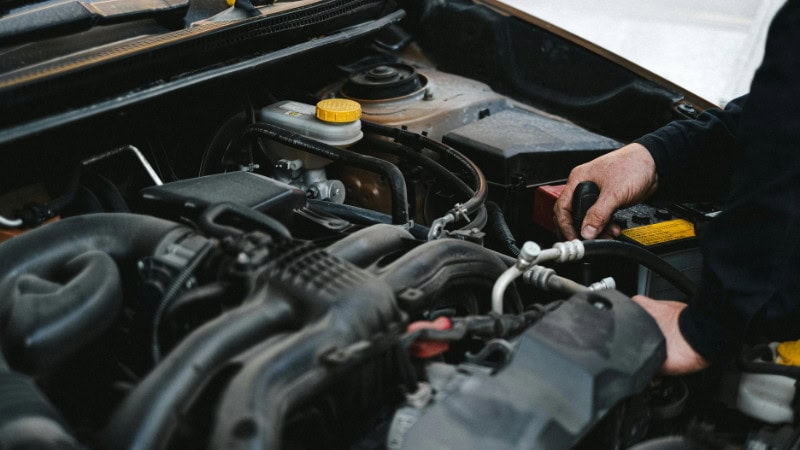
A car air conditioning system removes heat from inside the vehicle and releases it outside. The process starts with the refrigerant, which is a special fluid that absorbs and carries heat. This refrigerant circulates through several components that compress (squeeze), cool, and expand (spread out) the fluid. The compressor, which is a pump powered by the engine, pressurizes (increases the pressure of) the refrigerant and pushes it toward the condenser. The condenser is similar to a small radiator located at the front of the car—it cools the refrigerant by releasing heat to the outside air. The cooled refrigerant then passes through an expansion valve or orifice tube (a small opening that controls how much refrigerant flows), which helps the refrigerant cool quickly before entering the evaporator. The evaporator, located in the dashboard, contains cold coils filled with refrigerant. Warm air from the cabin blows over these coils, removing heat from the air, and then blows cool air through the vents. This cycle keeps the car’s interior comfortable. If any component fails or airflow is restricted, cooling performance can decrease or stop completely.
you may like: Car Overheats When AC Is On and Idle?
Most Common Reasons Your Car’s AC Is Not Blowing Cold Air
Several issues can cause your air conditioner to stop producing cold air. The most common is low refrigerant, the special cooling fluid that removes heat from the air, which may leak out of the system. Without enough refrigerant, the AC cannot absorb heat effectively. A failing compressor, which is the engine-driven pump that moves refrigerant through the system, can also prevent proper circulation, leading to warm air from the vents. Other causes include a clogged condenser, which is the small radiator that releases heat outside the car; damaged cooling fans, which blow air over the condenser to help cool it; electrical issues, such as faulty relays or blown fuses; or a blocked cabin air filter, which filters the air entering your car. In some cases, the expansion valve, the device that controls refrigerant flow, or the evaporator, the part that removes heat from the air inside the car, may malfunction, disrupting cooling. Since these parts depend on each other, even a small issue can affect the entire system. Proper inspection helps identify the exact cause quickly.
Signs Your Car’s AC System Needs Repair
Before the air conditioner completely fails, your vehicle often shows warning signs that something is wrong. The most obvious symptom is warm or slightly cool air blowing from the vents instead of cold air. You may also notice weak airflow even when the fan is set to high. Strange noises such as clicking, grinding, or squealing when the AC is turned on can indicate compressor problems. Another common issue is a musty or unpleasant smell coming from the vents, which may suggest mold buildup inside the evaporator. Some drivers also notice the AC blowing cold while driving, but turning warm when the vehicle is idling. These early signs should not be ignored, as small AC problems can quickly escalate into expensive repairs.
you may like: Car AC System Parts and Functions, With Short Descriptions
How Mechanics Diagnose AC Problems
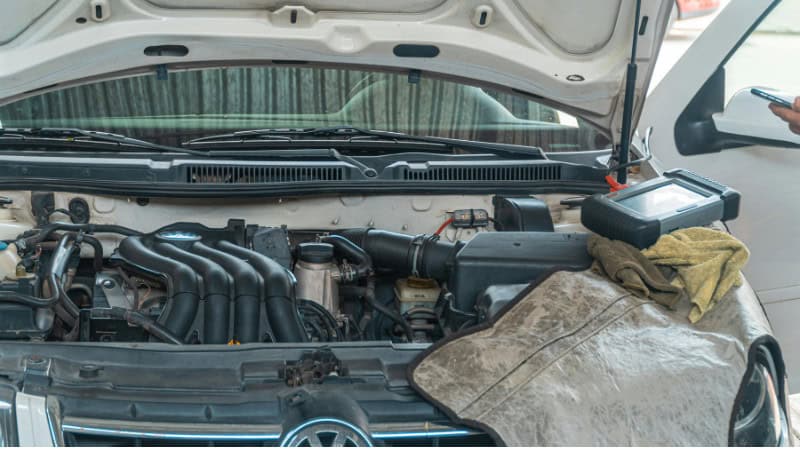
Professional mechanics follow a step-by-step process when diagnosing car air conditioning issues. They first check refrigerant pressure with special gauges to determine whether the system is properly filled. If refrigerant levels are low, technicians inspect hoses and connections for leaks. They then test the compressor clutch, which is a device that engages and disengages the compressor to control when it is on, to see if it is working. Mechanics also inspect electrical components such as relays (electrical switches that control power), sensors (devices that measure system conditions), and fuses (safety components that prevent circuit overload) to ensure the system receives power. Cooling fans that push air over the condenser and the condenser, which releases heat, are checked for debris that might block airflow. Finally, airflow inside the cabin is tested to find clogged air filters or evaporator issues. This careful inspection helps quickly and correctly find the problem.
DIY Fixes You Can Try Before Visiting a Mechanic
Some minor AC issues can be resolved without professional repair, especially those involving airflow or simple maintenance. Replacing the cabin air filter, which can become clogged over time, is one easy fix. A blocked filter restricts airflow, reducing cooling performance. Cleaning the condenser at the front of the vehicle can also improve efficiency. Drivers can check AC fuses and relays to ensure the system receives electrical power. In certain situations, a refrigerant recharge kit may temporarily restore cooling if levels are slightly low. However, if problems persist, a certified mechanic’s inspection is recommended.
When You Should See a Professional Mechanic
While basic maintenance can address minor issues, many air conditioning repairs require specialized tools and expertise. Refrigerant leaks—where the special cooling fluid escapes from the system—are a very common cause of AC failure and often need UV dye and special tools to find. Compressor failure (a problem with the engine-driven pump that circulates refrigerant) usually requires a mechanic to replace parts of the system. Finding the source of electrical problems, such as damaged sensors (devices that monitor the system) or failed pressure switches, needs accurate electronic testing equipment. Also, fixing the evaporator (the part deep inside the dashboard that absorbs heat from the air) can be complicated and time-consuming. If your AC repeatedly stops cooling or makes unusual noises, a professional mechanic should diagnose and repair the issue.
Car AC Repair Cost in the United States
| Repair Type | Average Cost |
|---|---|
| AC Recharge | $150 – $400 |
| Compressor Replacement | $800 – $1,500 |
| Condenser Replacement | $400 – $900 |
| Refrigerant Leak Repair | $200 – $1,200 |
| Cabin Air Filter Replacement | $30 – $80 |
How to Prevent Car AC Problems
Regular maintenance is the best way to keep your car’s air conditioning system running efficiently for years. Many mechanics recommend running the AC system for a few minutes every week, even during winter months, to keep the compressor seals lubricated. Replacing the cabin air filter at recommended intervals helps maintain strong airflow and prevents dust buildup inside the system. Keeping the condenser clean is also important because debris, leaves, and dirt can block airflow and reduce cooling performance. Scheduling an annual AC inspection allows technicians to check refrigerant levels and detect leaks early. By maintaining these simple habits, drivers can avoid many common AC failures and extend the lifespan of the entire cooling system.
FAQ
1.Why is my car’s AC blowing air but not cold?
The most common reason is low refrigerant due to a system leak. Refrigerant absorbs heat and creates cold air, so if levels drop too low, the AC will only blow warm air. Other possible causes include a failing compressor, a clogged condenser, a faulty cooling fan, or electrical issues preventing the AC clutch from engaging. Sometimes a blocked cabin air filter restricts airflow, reducing cooling efficiency. A proper inspection can determine the exact cause.
2.How do I know if my AC compressor is bad?
A failing AC compressor often produces noticeable symptoms. You may hear grinding, rattling, or clicking noises when the air conditioner is turned on. The AC clutch may fail to engage, preventing refrigerant from circulating through the system. Another sign is inconsistent cooling, where the air sometimes blows cold and then suddenly warm. In severe cases, the compressor may completely stop working, leaving the AC to blow only hot air.
3.Can I recharge my car’s AC myself?
Refrigerant recharge kits are available at many auto parts stores and can temporarily restore cooling if the refrigerant level is slightly low. These kits allow drivers to add refrigerant through a low-pressure port in the AC system. It is important to use these kits carefully because overcharging the system can cause damage. If refrigerant is leaking, simply recharging the system will not solve the underlying problem.
4.Why does my AC blow cold while driving but warm when stopped?
This problem usually occurs when airflow through the condenser is insufficient at idle. While driving, natural airflow helps cool the condenser and maintain proper refrigerant pressure. When the vehicle stops, the cooling fan becomes responsible for airflow. If the condenser fan is faulty or weak, the AC may blow warm air at stoplights or in traffic, then cool down again once the vehicle starts moving.
5.How long should a car AC system last?
Most automotive air conditioning systems are designed to last many years if properly maintained. In many vehicles, the AC system can operate effectively for 10 to 15 years before major components, such as the compressor or condenser, need to be replaced. Regular inspections, keeping the condenser clean, and maintaining correct refrigerant levels can significantly extend the lifespan of the system.
6.Is fixing a car’s AC expensive?
The cost depends on the specific problem and the parts involved. Minor repairs, such as replacing a cabin air filter or recharging refrigerant, are relatively inexpensive. However, major repairs such as compressor replacement or evaporator repairs can be costly due to parts and labor. Early diagnosis often prevents small issues from developing into expensive repairs, which is why mechanics recommend addressing AC problems as soon as they appear.
Conclusion
A car air conditioner that stops blowing cold air can be caused by several different problems, ranging from low refrigerant to serious compressor failure. Because the AC system relies on multiple components working together, even a small issue can reduce cooling performance. Paying attention to early warning signs, such as weak airflow, unusual noises, or warm air from the vents, can help you address problems before they become costly repairs. While simple fixes, such as replacing a cabin air filter or cleaning the condenser, can restore cooling, many issues require professional diagnosis. Regular maintenance and timely inspections remain the best way to keep your car’s AC system working efficiently and ensure a comfortable ride during hot weather.
Read more:
- Car AC Compressor Parts, Types, and Their Functions Explained
- Engine Cooling System Parts and Their Functions
- What Causes Black Smoke from Exhaust?
