
Brake lines often go unnoticed, but in any U.S. repair shop, they’re recognized as critical safety components. One weak brake line can quickly turn a routine stop into a dangerous situation—especially in states where road salt attacks metal. The right brake line material matters more than brand or marketing. In 2026, mechanics face more material choices than ever—some last decades, others barely survive a few winters. This article reviews the 9 best brake line materials based on real shop experience, DOT safety standards, durability, and installation. Whether you’re a DIYer, fleet manager, or daily driver, this guide focuses on proven options for American roads—not just theory or hype.
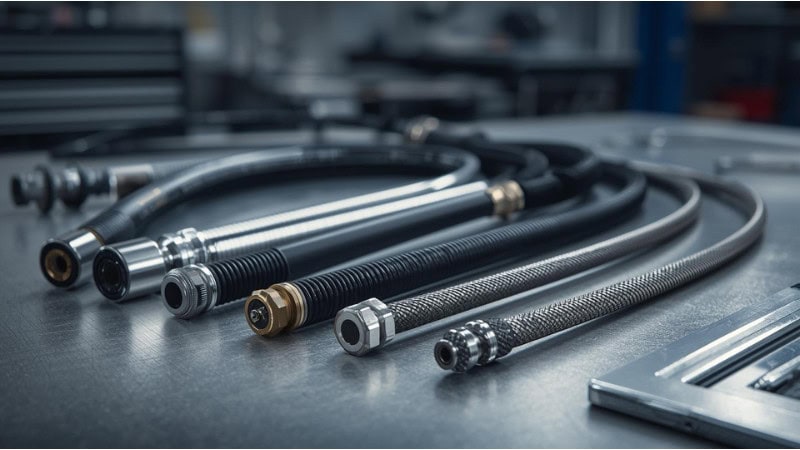
Brake Line Materials Comparison Table
How We Chose the Best Brake Line Materials
Before selecting the best brake line materials, it’s important to understand how real U.S. repair shops judge these options. In practice, mechanics prioritize performance and reliability over technical specifications alone. For this guide, we looked at each material the same way a mechanic does when deciding what they’ll stand behind with a warranty. First, safety: DOT compliance is non-negotiable—if it doesn’t meet federal standards, it doesn’t belong on your vehicle. Second, corrosion resistance, especially in states like Ohio, Michigan, and New York, where road salt destroys steel lines fast. Third, ease of installation—materials that flare cleanly, bend without kinking, and don’t fight you under the car always score higher. We also considered how well each type handles pressure, how long it lasts, and whether it’s worth the money in the long run. If a material saves you a few bucks now but fails early, it didn’t make our list.
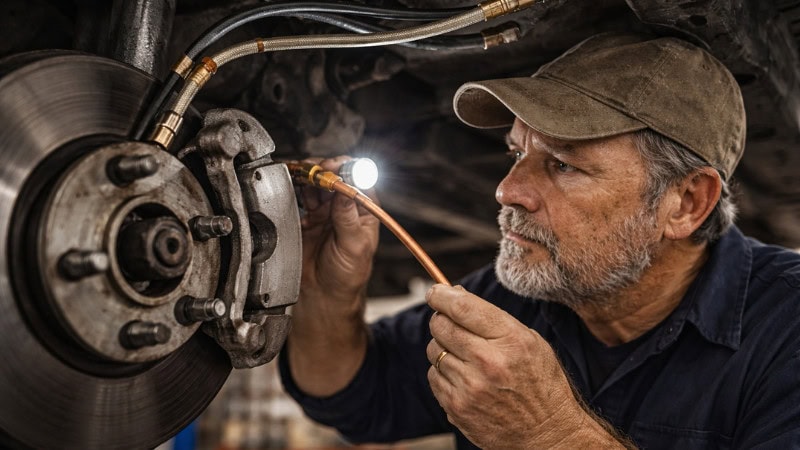
Brake Line Materials Explained
Now that you know how we chose our top brake line materials, let’s examine why real-world performance varies. For mechanics, the best option depends on your climate, vehicle use, and longevity needs. Some materials are stiff and strong, others flexible and rustproof, and some should be avoided unless necessary. In U.S. shops, brake line failures rarely result from pressure; they’re mainly due to corrosion, poor flaring, or material wear. Knowing each material’s strengths and weaknesses helps prevent repeat repairs and safety risks. Next, we break down the most common brake line materials for 2026, explained clearly and without marketing spin.
you may like: Brake Pads vs Brake Shoes: Key Differences
1. Copper-Nickel (NiCopp) Brake Line – Best Overall Choice
Copper-nickel brake line, commonly sold as NiCopp or Cunifer, has become the go-to recommendation in US repair shops because it solves problems instead of creating new ones. The pros: NiCopp does not rust, even in salt-heavy regions like the Midwest and Northeast, and meets all DOT and SAE requirements for hydraulic brake systems. The cons: the initial cost per foot is higher than steel, and it may not suit those on a strict budget. Brands such as AGS, Edelmann, and Sur&R produce DOT-approved copper-nickel lines.
As we move from material facts to real-world applications, installation becomes critical. From an installation standpoint, NiCopp is forgiving. It bends easily by hand, flares smoothly, and resists cracking even when mistakes happen. Pros include reduced labor time and fewer comebacks; cons are the higher upfront material cost. Still, for daily drivers, restorations, and long-term ownership, copper-nickel remains the best brake line material available in 2025 due to its overall benefits.
2. Stainless Steel Brake Line – Best for High-Demand Systems
Stainless steel brake lines are chosen for their strength, pressure tolerance, and heat resistance. These lines are common in performance vehicles, towing setups, and off-road builds where braking demand is higher. Manufacturers such as Inline Tube and Classic Tube provide DOT-compliant stainless lines for street use when installed properly.
Precision is required when working with stainless steel. It is hard to flare, does not forgive over-tightening, and demands the right tools. Many repair shops avoid stainless steel on daily drivers because incorrect installation can lead to leaks. Installed by skilled technicians, it delivers a strong pedal feel and long service life. For builds where braking consistency is critical, stainless steel remains a top choice.
3. Zinc-Coated Steel Brake Line – Budget-Friendly Standard
Zinc-coated steel brake lines remain the most common factory-installed material on US vehicles. They are affordable, DOT-approved, and widely available at auto parts stores nationwide. Brands like Dorman and AGS supply pre-flared zinc-coated lines that enable quick repairs.
The challenge is corrosion. In dry or southern climates, zinc-coated steel can last many years, but in snow-belt states, it corrodes quickly and fails. It’s a sensible choice for budget repairs or short-term ownership, but not a permanent solution in harsh environments. Many mechanics now recommend upgrading from zinc-coated steel when possible.
4. Galvanized Steel Brake Line – Improved Steel Option
Galvanized steel brake lines feature a thicker zinc coating bonded to the steel, offering better corrosion resistance than standard zinc-coated lines. This makes them a practical middle-ground option for drivers who want better durability without the higher cost of copper-nickel.
Installation feels much like basic steel and still requires good bending tools and clean flares. Galvanized lines last longer than basic steel, but still do not match the corrosion protection of NiCopp. Mechanics recommend galvanized steel when factory-style materials are a must or budgets prevent an upgrade.
5. Rubber Brake Lines – Necessary but Limited
Rubber brake hoses are required in every hydraulic brake system, but only in specific locations. SAE-approved rubber hoses from manufacturers such as Raybestos and Wagner are designed to withstand movement between the chassis and suspension components.
Over time, rubber degrades from heat, pressure, and age. As rubber hoses swell internally, they can cause a soft brake pedal or delayed brake response. This is why rubber hoses should be replaced periodically. Using a rubber hose in place of a hard brake line is unsafe and often illegal. Rubber plays a role in brake systems, but its use is limited and should never be overused.
6. PTFE (Teflon) Brake Line – Racing-Only Solution
Next, for racing applications, PTFE brake lines, typically wrapped in stainless steel braid, are engineered for extreme pressure and heat. They provide near-zero expansion and consistent braking performance under racing conditions. However, DOT legality varies, and many PTFE lines are not approved for street use.
Improper installation or routing can cause abrasion and sudden failure. Pros: Excellent for race cars and competition use. Cons: Not suitable for daily drivers due to increased risks and lack of street approval.
7. Aluminum Brake Line – Why It’s a Bad Idea
Now, shifting to materials to avoid, aluminum brake lines are sometimes marketed as lightweight and easy to install. While these are advantages, aluminum lines perform poorly in real brake systems because aluminum lacks fatigue resistance and is prone to cracking, especially at flares and mounting points.
Many aluminum lines are not DOT-approved, making them illegal for street use in many states. In shops, aluminum failures are common and unpredictable. While usable in fuel systems, aluminum should not be trusted in hydraulic brake systems, where failure can be catastrophic.
8. Poly-Coated Steel Brake Line – OEM-Style Upgrade
For late-model vehicles or drivers seeking OEM-style repairs, poly-coated steel brake lines feature a polymer layer over steel tubing to improve corrosion resistance and maintain a factory appearance. This design offers enhanced durability compared to uncoated steel but may be less flexible than copper-nickel alternatives. Many newer vehicles use this design from the factory. Brands like Sur&R and Dorman offer DOT-approved poly-coated lines suitable for OEM-style repair.
Poly-coated steel is better than bare steel but still not as resistant to salt as copper-nickel. It is ideal for late-model vehicles where originality is important or where corrosion is moderate.
9. Pre-Flared Brake Line Kits – Best DIY Solution
To simplify installation for non-professionals, pre-flared brake line kits eliminate one of the most common failure points in brake repairs: poor flares. These kits, available in SAE and metric versions, are usually made from steel for durability, but can also be made from copper-nickel, which offers easier bending and corrosion resistance but may not be as strong as steel. AGS and Edelmann produce reliable DOT-approved options.
For DIY mechanics, pre-flared kits reduce installation time and the risk of leaks. Pros: Allows safe, professional-quality results without specialized tools. Cons: Choosing the wrong thread type or length can lead to installation problems. When selected properly, pre-flared kits are an effective option.
How Climate Affects Brake Line Material Choice
Climate plays a major role in the lifespan of brake lines. Northern states that use road salt experience rapid corrosion, while southern states see far fewer failures. In salt-belt regions, upgrading to corrosion-resistant materials can add decades of service life.
Experienced US mechanics consistently recommend copper-nickel for vehicles driven year-round in harsh climates. Choosing material based on the environment is one of the most effective ways to prevent brake line failure.
you may like: Best Brake Line Flaring Tools
DOT and SAE Regulations Explained
Regulatory compliance is also critical. Brake lines used on US roads must meet DOT and SAE standards, including FMVSS requirements. Materials must be rated for hydraulic brake pressure and properly marked. Non-compliant materials can fail inspection and create liability issues.
Always verify DOT markings, pressure ratings, and fitting compatibility before installation. Brake systems are not an area where shortcuts are acceptable.
you may like: Brake Booster Parts, Types, and Functions
Key Takeaways for US Mechanics and Vehicle Owners
- Copper-Nickel (NiCopp) offers the best balance of corrosion resistance, ease of installation, and long-term safety for most US vehicles.
- Stainless Steel is best reserved for performance, towing, and high-pressure applications where installation skill is not a limitation.
- Steel-based options, including zinc-coated, galvanized, and poly-coated steel, remain usable but offer shorter service life in harsh climates.
FAQ
FAQ 1: What Is the Best Brake Line Material in 2026?
From a mechanic’s standpoint, copper-nickel (CuNiFer) is the best all-around brake line material in 2026. It doesn’t rust like steel, bends easily without kinking, and flares clean with basic tools. That means fewer leaks and longer life, especially in salt-belt states. Stainless steel is great for performance, but it’s harder to work with. For daily drivers and long-term reliability, copper-nickel is what most U.S. shops recommend today.
FAQ 2: Are Steel Brake Lines Still Safe to Use?
Yes, steel brake lines are still safe, but they come with limitations. They meet DOT standards and handle pressure just fine. The problem isn’t strength—it’s corrosion. In northern states, steel lines can rust through in 5–7 years, sometimes faster. For budget repairs or short-term ownership, steel works. For long-term reliability, most mechanics prefer upgraded materials that won’t rot out from road salt and moisture.
FAQ 3: Is Stainless Steel Better Than Copper-Nickel Brake Lines?
It depends on the job. Stainless steel offers excellent corrosion resistance and a firmer brake pedal feel, which performance drivers like. However, it’s stiff, harder to flare, and unforgiving if installed incorrectly. Copper-nickel is easier to install, more forgiving, and still highly corrosion-resistant. For race cars or performance builds, stainless makes sense. For daily drivers, copper-nickel usually wins in real-world shop conditions.
FAQ 4: Why Do Brake Lines Fail in the U.S. So Often?
Most brake line failures in the U.S. are caused by rust, not pressure. Road salt, moisture, and dirt collect along frame rails and clips, slowly eating away steel lines from the outside. Many failures go unnoticed until the pedal goes soft. Poor-quality coatings, lack of undercarriage washing, and aging vehicles worsen the problem. That’s why material choice matters more than people realize.
FAQ 5: Can I Replace Brake Lines Myself as a DIYer?
Yes, but only if you’re careful. DIY brake line replacement requires proper double flaring, correct fittings, and secure routing. Copper-nickel is the most DIY-friendly material because it bends easily and seals well. Stainless steel is not beginner-friendly. Mistakes can lead to leaks or brake failure, so if you’re unsure, it’s worth taking it to a shop. Brakes aren’t a system you want to “learn on.”
FAQ 6: How Long Do Different Brake Line Materials Last?
Lifespan varies by material and climate. Steel lines may last 5–10 years, depending on their exposure to rust. Copper-nickel can last 20+ years with minimal corrosion. Stainless steel can last the life of the vehicle if installed correctly. Rubber hoses wear faster and should be inspected regularly. From a mechanic’s view, spending more up front on better material usually saves money and headaches down the road.
FAQ 7: Do Brake Line Materials Affect Braking Performance?
They don’t change stopping power directly, but they affect pedal feel and reliability. Stainless steel braided lines reduce expansion, giving a firmer pedal. Rubber hoses can swell over time, resulting in a softer feel. Hard line materials mainly impact durability and safety, not braking force. A solid, leak-free system matters more than material choice for real-world stopping performance.
FAQ 8: What Brake Line Material Do Mechanics Actually Recommend?
Most U.S. mechanics recommend copper-nickel brake lines for daily drivers and long-term repairs. They’re reliable, corrosion-resistant, easy to install, and DOT-approved. Shops like materials that reduce comebacks, and copper-nickel does exactly that. Stainless steel is usually reserved for performance cars, while steel is used mainly when cost is the deciding factor. If a shop warrants its work, copper-nickel is often the go-to choice.
Conclusion
Brake line failures rarely happen out of nowhere—they’re usually the result of years of wear, rust, and exposure to the elements. In 2026, both mechanics and car owners have more options than ever, but choosing the right brake line material requires understanding how each performs in real-world conditions.
For most U.S. vehicles, switching from traditional steel to more corrosion-resistant materials can add years—even decades—of safe driving. Your brake system is not the place to cut corners. Taking the time to choose the right brake line material up front is one of the best ways to make sure your car stays safe, reliable, and worry-free on the road.
